

The idea of sleeping out under the open sky, far from established campgrounds, is incredibly alluring. A bivouac...
Latest posts
-
 First Bivouac Adventure: Ideal Destinations in France for BeginnersRead more
 -
 Choosing Your Basecamp: Finding a Campsite Near Hiking TrailsRead more
For many outdoor enthusiasts, a camping trip isn't complete without the opportunity to hit the trails. The perfect...
-
 France's Must-Hike Trails: Unforgettable Adventures Across the HexagonRead more
France, with its incredibly diverse landscapes, boasts a hiking paradise for every level of adventurer. From rugged...
-
 Bivouac Safety for Kids: Ensuring a Secure Night Under the StarsRead more
Spending a night under the stars on a bivouac is an incredible adventure, offering unique memories for families. The...
-
 Wild Fun: Games and Activities to Entertain Youngsters in NatureRead more
Hiking with kids is a fantastic way to introduce them to the wonders of the natural world, but let's be honest: "Are...
-
 The Family Trek: Motivating Kids to Hike Long DistancesRead more
Getting kids excited about hiking long distances can sometimes feel like a trek in itself. While the promise of...
-
 Mastering Your FireMaple Stove: Efficient Cooking in the OutdoorsRead more
FireMaple stoves have gained a reputation among outdoor enthusiasts for their impressive balance of performance,...
-
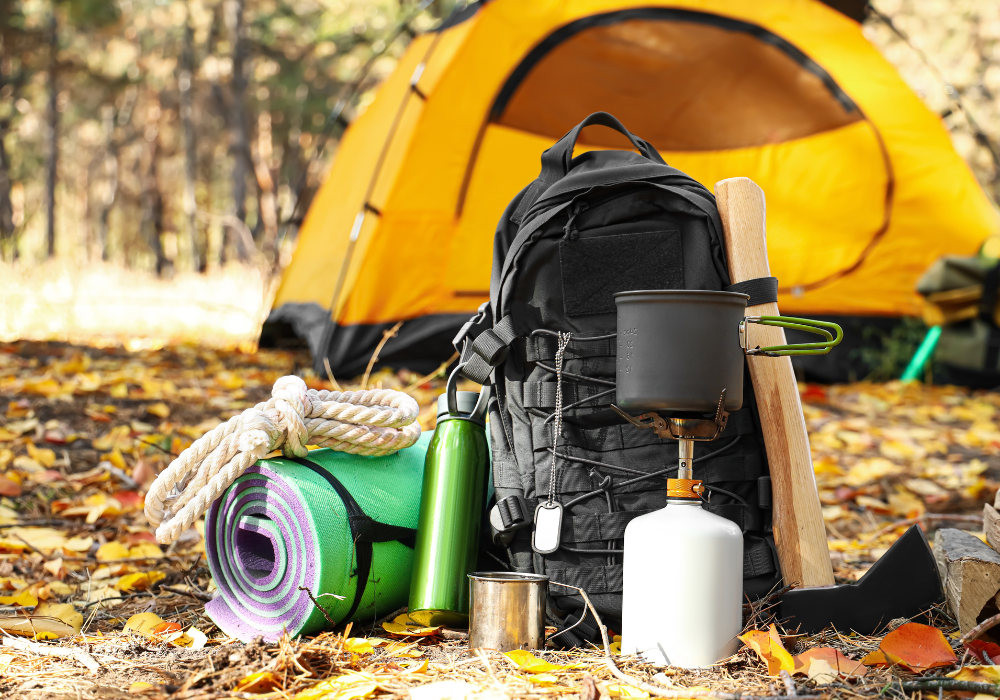 Essential Kitchen Gear: Indispensable Utensils for Hiking & CampingRead more
When packing for a hike or camping trip, every ounce counts, and every item needs to earn its place. While it's...
-
 Keeping Food Fresh: Mastering Refrigeration-Free Food Storage for the OutdoorsRead more
Heading out into the wilderness often means leaving modern conveniences behind, and that includes your refrigerator....
-
 Simple & Nutritious Camping Recipes for Your Next AdventureRead more
After a day of hiking, exploring, or simply relaxing in nature, there’s nothing quite like a delicious, hot meal...


Blog categories
Search in blog
Archived posts
Hiking Sustainably: Minimizing Your Environmental Impact on the Trail
The "Leave No Trace" Principles: Your Guiding Stars
Minimizing your environmental impact revolves around the seven core principles of Leave No Trace. Adhering to these guidelines ensures you enjoy nature while protecting it.
1. Plan Ahead and Prepare
Good planning is the first step to a low-impact hike.
-
Know the Regulations: Research rules for the area you're visiting (National Parks, nature reserves, private land). Are fires allowed? Where can you camp? Are there specific animal protection zones?
-
Check the Weather: Be prepared for all conditions to avoid needing to build impromptu shelters or fires, or getting lost due to poor visibility.
-
Pack Smart: Bring only what you need to reduce pack weight. Choose reusable items over disposables (e.g., refillable water bottles, reusable food containers).
-
Share Your Plan: Inform someone of your route and return time for safety, reducing the need for search and rescue if things go awry.
-
Minimize Transport Impact: Carpool, use public transport, or cycle to the trailhead to reduce your carbon footprint before you even start hiking.
2. Travel and Camp on Durable Surfaces
Stick to existing trails and designated campsites to prevent erosion and protect fragile vegetation.
-
Stay on Trails: Walk in the middle of the trail, even if it's muddy or wet. Going around puddles widens the trail and damages surrounding flora.
-
Durable Surfaces Off-Trail: If you must travel off-trail (in wilderness areas where it's permitted), choose durable surfaces like rock, sand, gravel, or snow. Avoid stepping on delicate plants.
-
Camp Smart: In popular areas, use established campsites. In remote areas, choose a site away from water sources (at least 200 feet/60 meters from lakes/streams) on durable surfaces where your impact will be minimal. Keep your camping area small.
3. Dispose of Waste Properly
The most visible impact is often litter. Your goal is to pack out everything you pack in.
-
Pack It In, Pack It Out: This applies to all trash, including food scraps (even "biodegradable" ones like apple cores or banana peels, which can take years to decompose and attract animals). Carry a dedicated trash bag.
-
Human Waste: Bury human waste in a cathole 6-8 inches deep and at least 200 feet (60 meters) from water, trails, and campsites. Pack out all toilet paper.
-
Wash Away from Water: Do not wash yourself, dishes, or clothes directly in streams or lakes. Collect water in a container and wash at least 200 feet (60 meters) away, dispersing greywater widely. Use biodegradable soap sparingly.
4. Leave What You Find
Allow others to discover the beauty of the natural world undisturbed.
-
Don't Take Souvenirs: Leave rocks, plants, historical artifacts, and natural objects where you find them.
-
Avoid Building Structures: Do not build rock cairns (unless they are official trail markers), shelters, or other structures.
-
No Picking Flowers/Plants: Admire them with your eyes and camera, but do not collect them, especially protected species.
5. Minimize Campfire Impacts
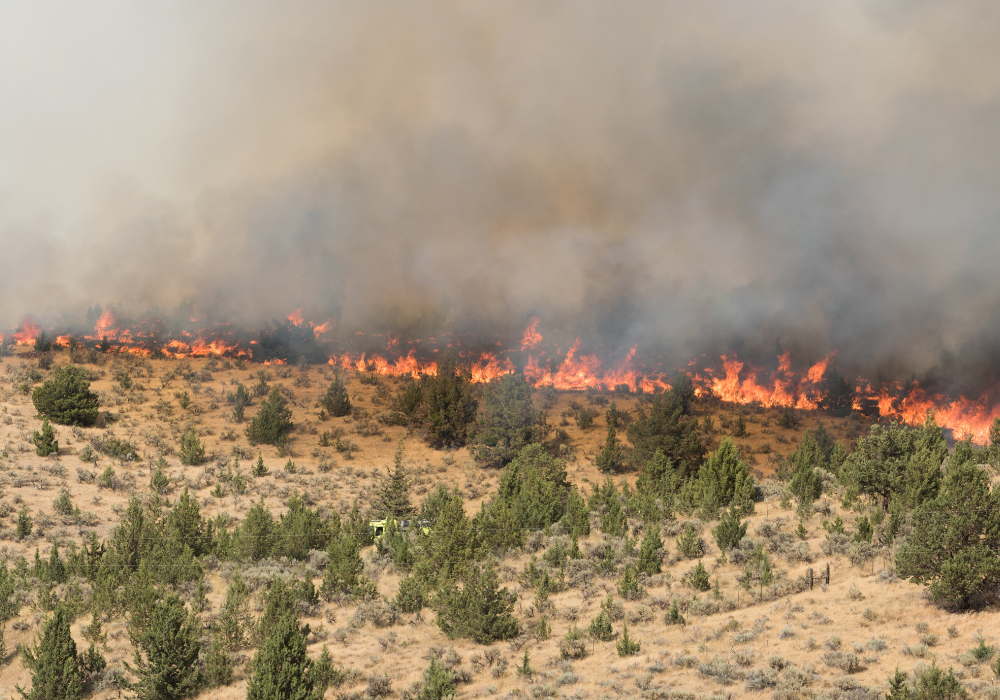
Campfires can cause lasting impacts and are a major source of wildfires.
-
Use a Stove: The safest and most environmentally friendly option for cooking is a lightweight backpacking stove.
-
Know Fire Regulations: Always check if fires are permitted in your specific location. Many areas (especially National Parks, dry regions, or windy conditions) prohibit them.
-
Use Existing Fire Rings: If fires are allowed, use established fire rings.
-
Small Fires Only: Keep fires small. Only burn wood that can be broken by hand.
-
Extinguish Completely: Drown fires with water, stir the ashes, and check that all embers are cold to the touch before leaving.
6. Respect Wildlife
Observe animals from a distance and do not disturb them.
-
Observe from Afar: Use binoculars. Do not approach or follow animals.
-
Never Feed Animals: This alters their natural behavior, harms their health, and can make them aggressive towards humans.
-
Control Pets: Keep pets on a leash at all times, especially near wildlife.
-
Minimize Noise: Keep voices down and avoid loud noises that can stress animals.
-
Special Periods: Be extra cautious during sensitive times like breeding, nesting, or winter.
7. Be Considerate of Other Visitors
Share the trail and minimize your impact on others' experiences.
-
Yield to Others: Downhill hikers yield to uphill hikers. Hikers yield to horses and bikes.
-
Keep Noise Down: Let nature's sounds prevail. Avoid loud conversations or music.
-
Be Polite: A friendly greeting can go a long way.
By embracing these principles, every hiker can contribute to preserving the natural beauty and ecological health of our trails and wild spaces. Let's ensure that the wilderness remains wild for generations to come.
Posted in:
Default category
Related posts
-
 When you're deep in the wilderness, miles from civilization, your bivouac stove isn't just a luxury – it's a...Read more
 -
 Dreaming of hitting the trails but unsure how to pick a hike that's just right for you? Planning a hiking itinerary...Read more
 -
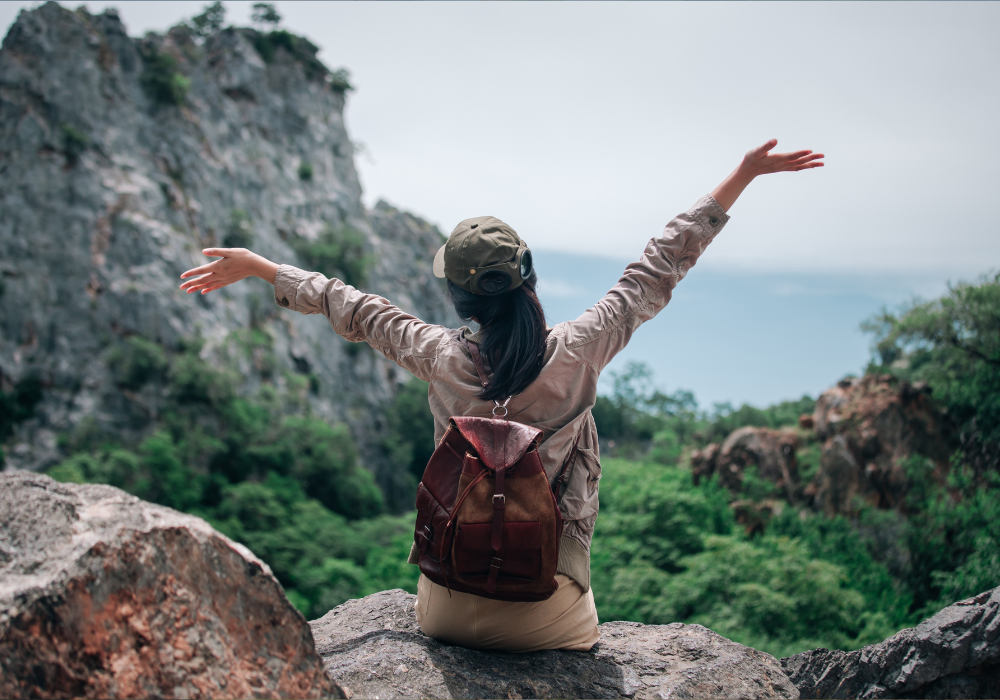 Hiking alone offers an unparalleled sense of freedom, introspection, and connection with nature. There's a unique joy...Read more
 -
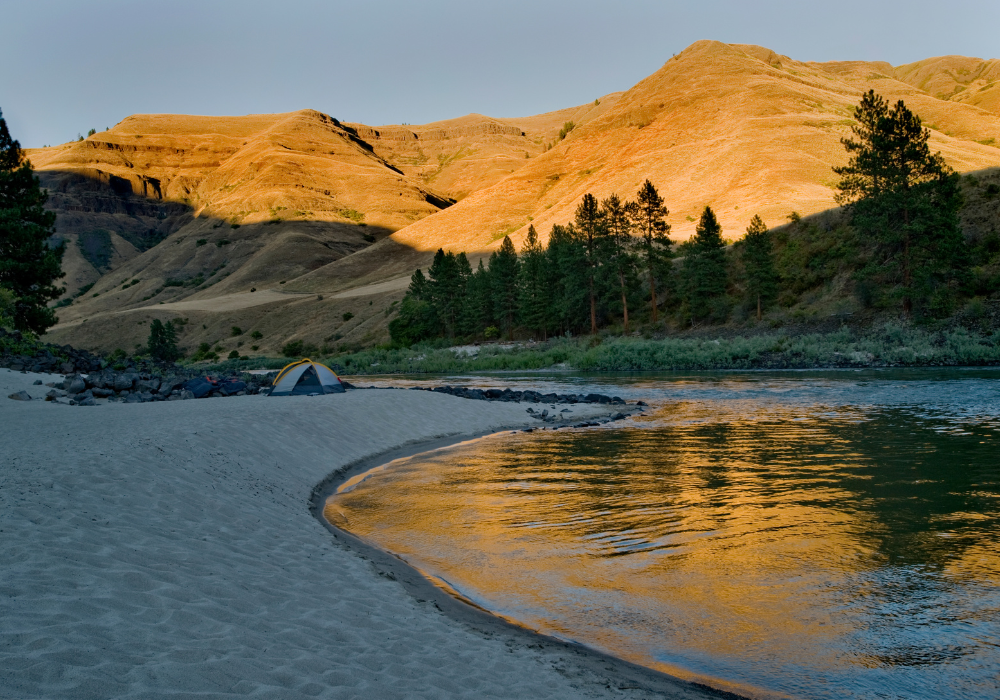 Embarking on a multi-day trek is an incredible experience, but proper water and food management is paramount for...Read more
 -
 Hiking offers a unique chance to immerse ourselves in nature, and sometimes that means unforgettable encounters with...Read more


Leave a comment