

The idea of sleeping out under the open sky, far from established campgrounds, is incredibly alluring. A bivouac...
Latest posts
-
 First Bivouac Adventure: Ideal Destinations in France for BeginnersRead more
 -
 Choosing Your Basecamp: Finding a Campsite Near Hiking TrailsRead more
For many outdoor enthusiasts, a camping trip isn't complete without the opportunity to hit the trails. The perfect...
-
 France's Must-Hike Trails: Unforgettable Adventures Across the HexagonRead more
France, with its incredibly diverse landscapes, boasts a hiking paradise for every level of adventurer. From rugged...
-
 Bivouac Safety for Kids: Ensuring a Secure Night Under the StarsRead more
Spending a night under the stars on a bivouac is an incredible adventure, offering unique memories for families. The...
-
 Wild Fun: Games and Activities to Entertain Youngsters in NatureRead more
Hiking with kids is a fantastic way to introduce them to the wonders of the natural world, but let's be honest: "Are...
-
 The Family Trek: Motivating Kids to Hike Long DistancesRead more
Getting kids excited about hiking long distances can sometimes feel like a trek in itself. While the promise of...
-
 Mastering Your FireMaple Stove: Efficient Cooking in the OutdoorsRead more
FireMaple stoves have gained a reputation among outdoor enthusiasts for their impressive balance of performance,...
-
 Essential Kitchen Gear: Indispensable Utensils for Hiking & CampingRead more
When packing for a hike or camping trip, every ounce counts, and every item needs to earn its place. While it's...
-
 Keeping Food Fresh: Mastering Refrigeration-Free Food Storage for the OutdoorsRead more
Heading out into the wilderness often means leaving modern conveniences behind, and that includes your refrigerator....
-
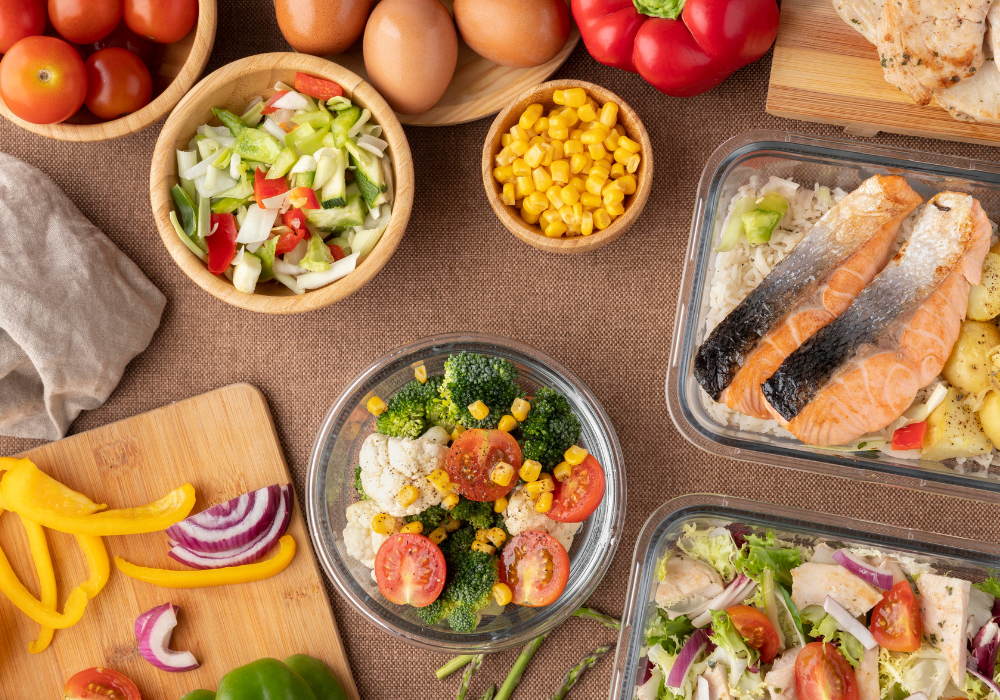 Simple & Nutritious Camping Recipes for Your Next AdventureRead more
After a day of hiking, exploring, or simply relaxing in nature, there’s nothing quite like a delicious, hot meal...


Blog categories
Search in blog
Archived posts
Bivouac Safety for Kids: Ensuring a Secure Night Under the Stars
1. Pre-Trip Planning: The Foundation of Safety
Meticulous planning is even more crucial when children are involved.
-
Choose the Right Spot:
-
Legal & Permitted: Always confirm that bivouacking is allowed in your chosen area (see previous blog post).
-
Accessible Terrain: Select a location with relatively flat, clear ground for pitching the tent. Avoid steep slopes, unstable terrain, or areas prone to rockfall or flash floods.
-
Water Source: Identify a reliable water source nearby, but camp at least 60 meters (200 feet) away from it to protect water quality and avoid animal trails.
-
Shelter: Look for natural windbreaks (e.g., dense trees, large rocks) but avoid camping directly under dead or decaying trees.
-
Escape Route: Be aware of a clear path to safety or a trail if an emergency arises.
-
-
Weather Check (and Re-Check): Get the most accurate weather forecast for your specific location. Be prepared to cancel or choose an alternative plan if severe weather (heavy rain, strong winds, thunderstorms, extreme cold) is predicted.
-
Gear Check & Practice:
-
Appropriate Sleeping Gear: Ensure sleeping bags are rated for the lowest expected temperature. Use insulated sleeping pads. For very young children, ensure they're adequately bundled.
-
Headlamps/Lights: Every child should have their own headlamp, with fresh batteries.
-
First-Aid Kit: Pack a comprehensive kit tailored for kids, including blister treatment, antiseptic wipes, pain relievers (child-friendly doses), and any necessary personal medications.
-
Communication Device: A fully charged phone (with offline maps), and ideally a satellite messenger or PLB for areas without cell service.
-
Tent Familiarity: Practice setting up the tent at home. Kids can help, making them feel involved and confident.
-
-
Discuss Rules: Before leaving, have a clear conversation with your children about bivouac rules: staying close to camp, not touching wild animals, handling fire/stove safely, and what to do if they get scared.
2. At the Bivouac Site: Setting Up for Security
Once you arrive at your chosen spot, immediate actions enhance safety.
-
Establish a "Boundary": Especially for younger children, define a clear "camp zone" that they must stay within. This could be marked with rocks, sticks, or even just verbal cues.
-
Pitching the Tent:
-
Securely: Ensure the tent is pitched tautly and securely staked down to withstand wind.
-
No Hazards: Clear the area of any sharp rocks, sticks, or potential tripping hazards.
-
Optimal Location: Pitch away from potential water run-off paths or animal trails.
-
-
Food Storage & Critter Control:
-
Bear/Animal Safety: In areas with bears or other wildlife, store all food, scented items (toothpaste, deodorant), and trash in a bear canister, a bear bag hung properly from a tree, or in a secured vehicle. Never leave food in or near the tent.
-
No Food in Tent: Reinforce the rule: no food inside the tent to avoid attracting small critters.
-
-
Fire/Stove Safety:
-
Strict Rules: If using a stove, always supervise closely. Ensure it's on a stable, clear surface.
-
No Campfires (Unless Permitted & Safe): As discussed, open campfires are often forbidden or highly regulated. If allowed, keep fires small, in a designated pit, and always supervised. Designate a "fire zone" that kids understand not to enter without an adult.
-
3. During the Night: Calm and Prepared
Nighttime in the wilderness can be daunting for kids.
-
Comfort & Reassurance: Talk about night sounds, stars, and the adventure. Read a story. A favorite comfort item can help.
-
Potty Breaks: Plan for night-time bathroom trips. Have headlamps ready. Accompany younger children.
-
Check on Them: Periodically check if they are warm enough and comfortable.
-
Responding to Fear: If a child gets scared, acknowledge their feelings. Reassure them you are nearby and safe. Distract them with stories or observations about the night sky.
4. Morning Protocols: Leaving No Trace
Safety extends to responsible packing up.
-
Leave No Trace: Reinforce packing out all trash (including human waste materials) and leaving the site cleaner than you found it.
-
Final Sweep: Do a thorough sweep of the area to ensure no gear or trash is left behind.
Bivouacking with children is a profound experience that builds resilience, resourcefulness, and a deep appreciation for nature. By prioritizing safety through diligent planning and vigilant supervision, you can create cherished memories that will last a lifetime.
Posted in:
Default category
Related posts
-
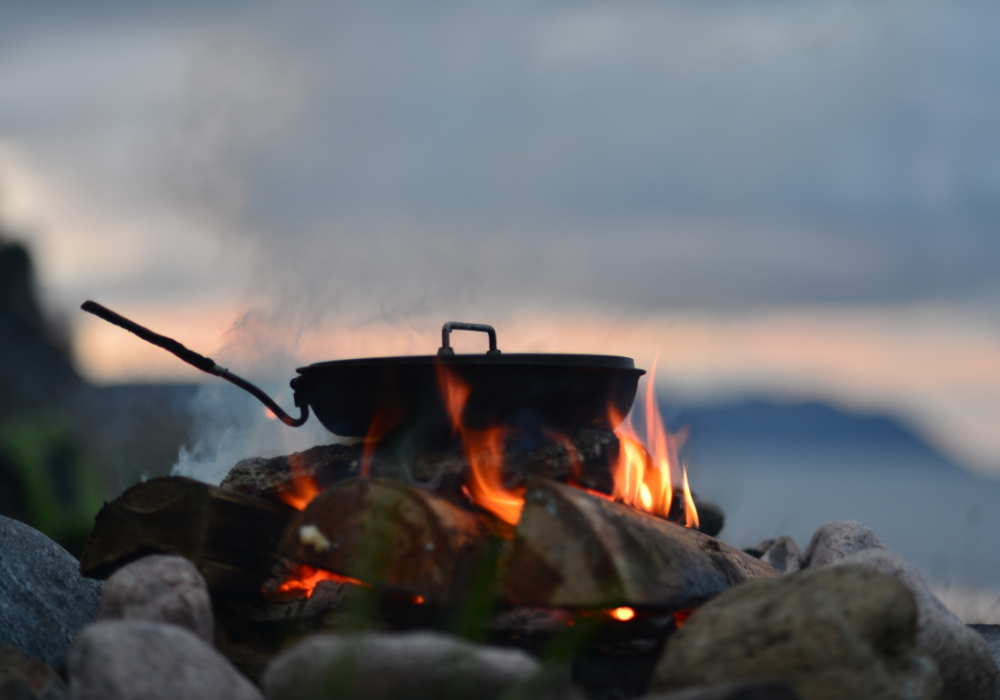 When you're deep in the wilderness, miles from civilization, your bivouac stove isn't just a luxury – it's a...Read more
 -
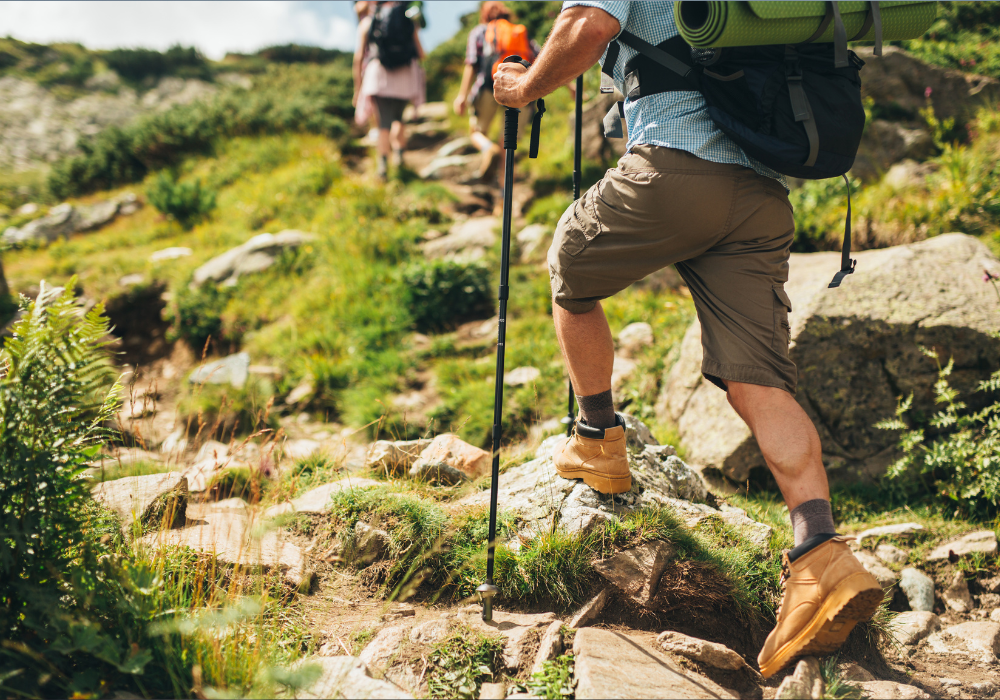 Dreaming of hitting the trails but unsure how to pick a hike that's just right for you? Planning a hiking itinerary...Read more
 -
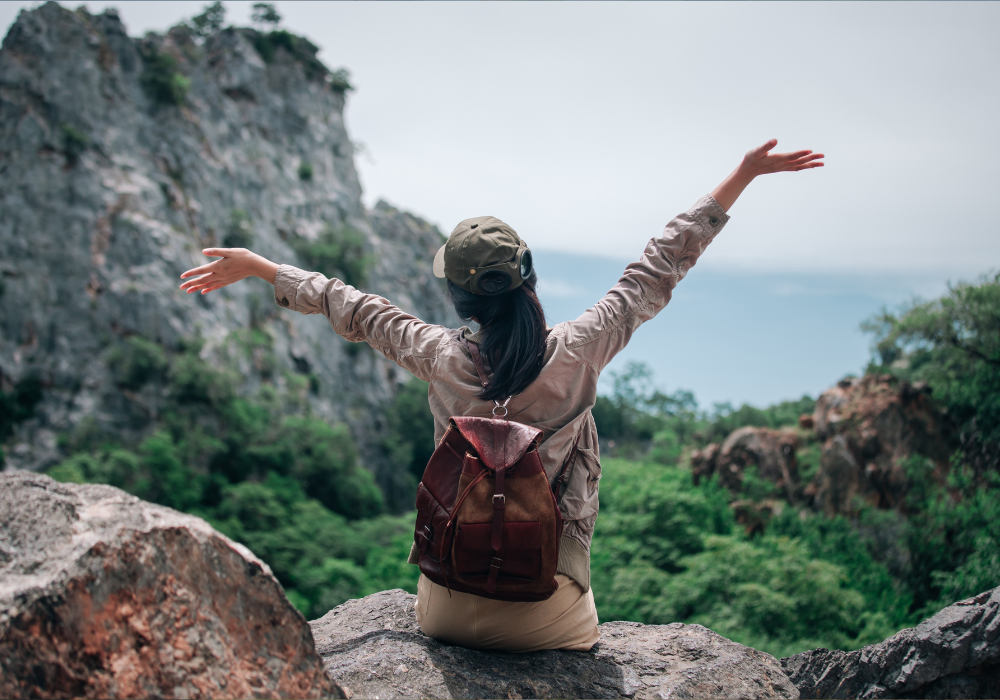 Hiking alone offers an unparalleled sense of freedom, introspection, and connection with nature. There's a unique joy...Read more
 -
 Embarking on a multi-day trek is an incredible experience, but proper water and food management is paramount for...Read more
 -
 Hiking offers a unique chance to immerse ourselves in nature, and sometimes that means unforgettable encounters with...Read more


Leave a comment