

The idea of sleeping out under the open sky, far from established campgrounds, is incredibly alluring. A bivouac...
Latest posts
-
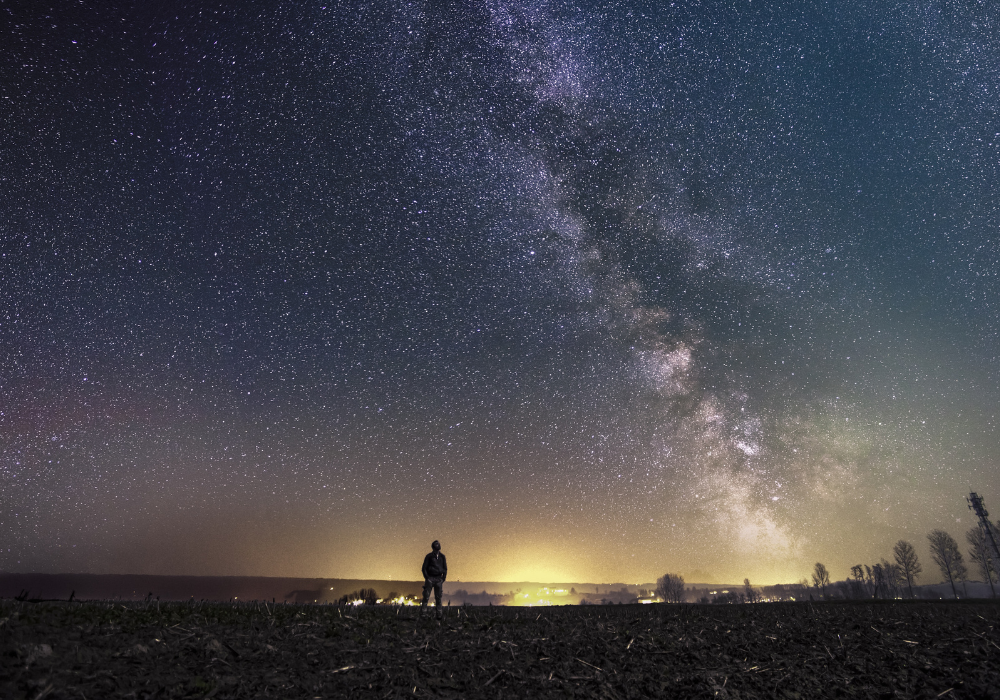 First Bivouac Adventure: Ideal Destinations in France for BeginnersRead more
 -
 Choosing Your Basecamp: Finding a Campsite Near Hiking TrailsRead more
For many outdoor enthusiasts, a camping trip isn't complete without the opportunity to hit the trails. The perfect...
-
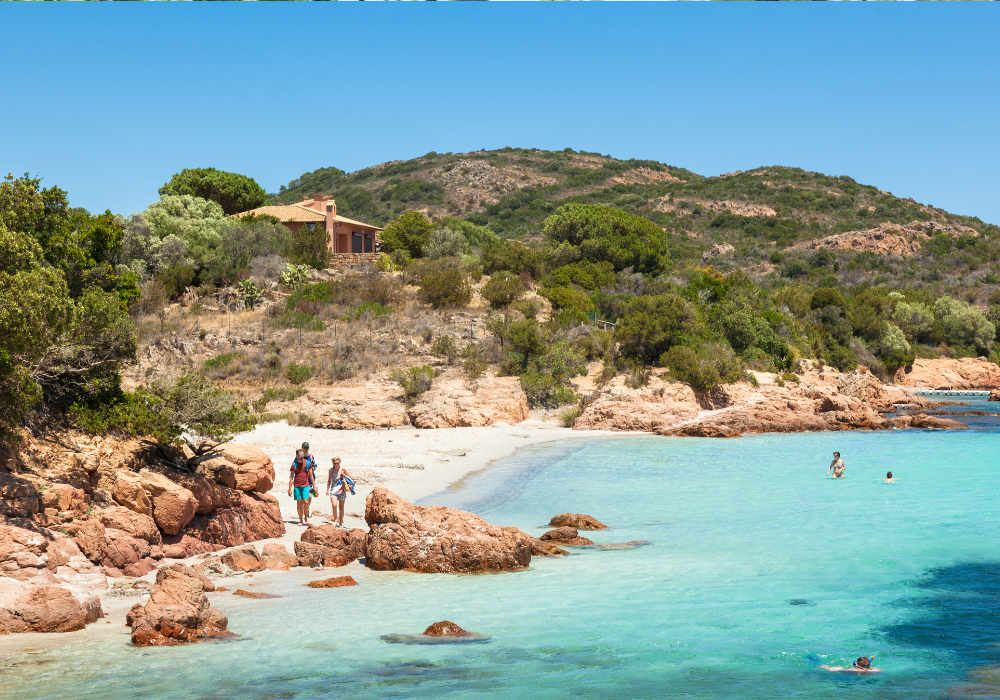 France's Must-Hike Trails: Unforgettable Adventures Across the HexagonRead more
France, with its incredibly diverse landscapes, boasts a hiking paradise for every level of adventurer. From rugged...
-
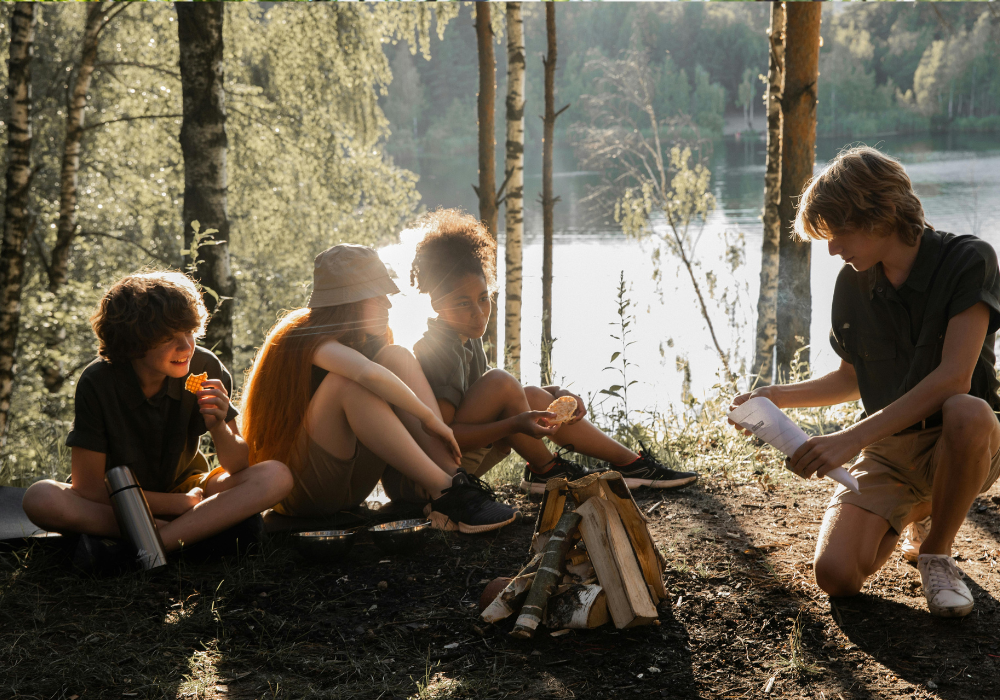 Bivouac Safety for Kids: Ensuring a Secure Night Under the StarsRead more
Spending a night under the stars on a bivouac is an incredible adventure, offering unique memories for families. The...
-
 Wild Fun: Games and Activities to Entertain Youngsters in NatureRead more
Hiking with kids is a fantastic way to introduce them to the wonders of the natural world, but let's be honest: "Are...
-
 The Family Trek: Motivating Kids to Hike Long DistancesRead more
Getting kids excited about hiking long distances can sometimes feel like a trek in itself. While the promise of...
-
 Mastering Your FireMaple Stove: Efficient Cooking in the OutdoorsRead more
FireMaple stoves have gained a reputation among outdoor enthusiasts for their impressive balance of performance,...
-
 Essential Kitchen Gear: Indispensable Utensils for Hiking & CampingRead more
When packing for a hike or camping trip, every ounce counts, and every item needs to earn its place. While it's...
-
 Keeping Food Fresh: Mastering Refrigeration-Free Food Storage for the OutdoorsRead more
Heading out into the wilderness often means leaving modern conveniences behind, and that includes your refrigerator....
-
 Simple & Nutritious Camping Recipes for Your Next AdventureRead more
After a day of hiking, exploring, or simply relaxing in nature, there’s nothing quite like a delicious, hot meal...


Blog categories
Search in blog
Archived posts
The Family Trek: Motivating Kids to Hike Long Distances
Before You Start: Setting the Stage for Success
Preparation is crucial for keeping spirits high.
-
Start Small & Build Up: Don't go from the couch to a 10-mile mountain ascent. Begin with shorter, easier walks and gradually increase distance and difficulty as their stamina and enthusiasm grow.
-
Involve Them in Planning: Let them look at maps, choose a trail (from a few kid-friendly options), or decide what snacks to bring. A sense of ownership boosts motivation.
-
Talk About the Adventure: Frame the hike as an exciting journey, a quest, or an exploration. Talk about what they might see (animals, cool rocks, a waterfall).
-
Pack Kid-Friendly Essentials:
-
Their Own (Small) Pack: Let them carry a light load (a water bottle, a snack, a small toy). This gives them responsibility.
-
Favorite Snacks & Treats: High-energy, appealing snacks are critical. Think fruit snacks, trail mix (their custom mix!), crackers, and a few small candies for morale boosts.
-
Hydration: Fun water bottles or hydration packs can encourage drinking.
-
Comfortable Shoes: Ill-fitting shoes lead to blisters and meltdowns.
-
On the Trail: Keeping Spirits High & Legs Moving
Once you're walking, strategy shifts to engagement and distraction.
1. Make it a Game, Not a Chore
-
Scavenger Hunts: Create a list of things to find (a specific leaf, a feather, a smooth stone, something red, something fuzzy).
-
"I Spy": A classic for a reason, perfect for all ages.
-
Nature Bingo: Create cards with pictures of plants, animals, or trail features.
-
Storytelling: Start a story and take turns adding to it, or ask them to invent a tale about what they see.
-
Sing-Alongs: Familiar songs or silly made-up tunes can break the monotony.
2. Set Achievable Milestones
-
Small Goals: Instead of "We're hiking 5 miles," break it down: "Let's make it to that big tree," or "We'll stop for a snack when we get to the bridge."
-
Visual Progress: Point out how far they've come on the map. Let them mark off sections.
-
"Power Up" Stops: Designate special spots for a quick break and a high-energy snack.
3. Embrace Exploration & Discovery
-
Go Slow: Don't rush. Allow time for investigation. Let them stop to examine a cool bug, a unique rock, or a puddle.
-
Ask Questions: "What do you hear?" "What do you smell?" "Do you think an animal lives here?"
-
Become Nature Detectives: Look for animal tracks, signs of birds, or interesting plants.
4. Offer Distractions & Positive Reinforcement
-
Audiobooks/Podcasts: For older kids, a captivating story can make miles melt away.
-
Trekking Poles: Some kids love using poles, making them feel like proper adventurers and helping with balance.
-
Positive Language: Focus on their efforts and achievements. "You're doing great!" "Look how far you've walked!"
-
Don't Overdo It: Recognize signs of true fatigue, not just boredom. It's better to end on a positive note, even if it means cutting the hike short, than to push them to exhaustion and create negative associations.
5. Lead by Example
-
Enthusiasm is Contagious: If you're excited and positive, they're more likely to be too.
-
Share Your Knowledge: Point out interesting facts about nature.
-
Show Resilience: Model how to handle discomfort or unexpected challenges with a good attitude.
Motivating kids on long hikes is an art, not a science. It requires patience, creativity, and a willingness to adapt. By making the journey about discovery and fun, you're not just getting them to the end of a trail; you're cultivating a lifelong appreciation for the wonders of the outdoors.
Posted in:
Default category
Related posts
-
 When you're deep in the wilderness, miles from civilization, your bivouac stove isn't just a luxury – it's a...Read more
 -
 Dreaming of hitting the trails but unsure how to pick a hike that's just right for you? Planning a hiking itinerary...Read more
 -
 Hiking alone offers an unparalleled sense of freedom, introspection, and connection with nature. There's a unique joy...Read more
 -
 Embarking on a multi-day trek is an incredible experience, but proper water and food management is paramount for...Read more
 -
 Hiking offers a unique chance to immerse ourselves in nature, and sometimes that means unforgettable encounters with...Read more


Leave a comment