

The idea of sleeping out under the open sky, far from established campgrounds, is incredibly alluring. A bivouac...
Latest posts
-
 First Bivouac Adventure: Ideal Destinations in France for BeginnersRead more
 -
 Choosing Your Basecamp: Finding a Campsite Near Hiking TrailsRead more
For many outdoor enthusiasts, a camping trip isn't complete without the opportunity to hit the trails. The perfect...
-
 France's Must-Hike Trails: Unforgettable Adventures Across the HexagonRead more
France, with its incredibly diverse landscapes, boasts a hiking paradise for every level of adventurer. From rugged...
-
 Bivouac Safety for Kids: Ensuring a Secure Night Under the StarsRead more
Spending a night under the stars on a bivouac is an incredible adventure, offering unique memories for families. The...
-
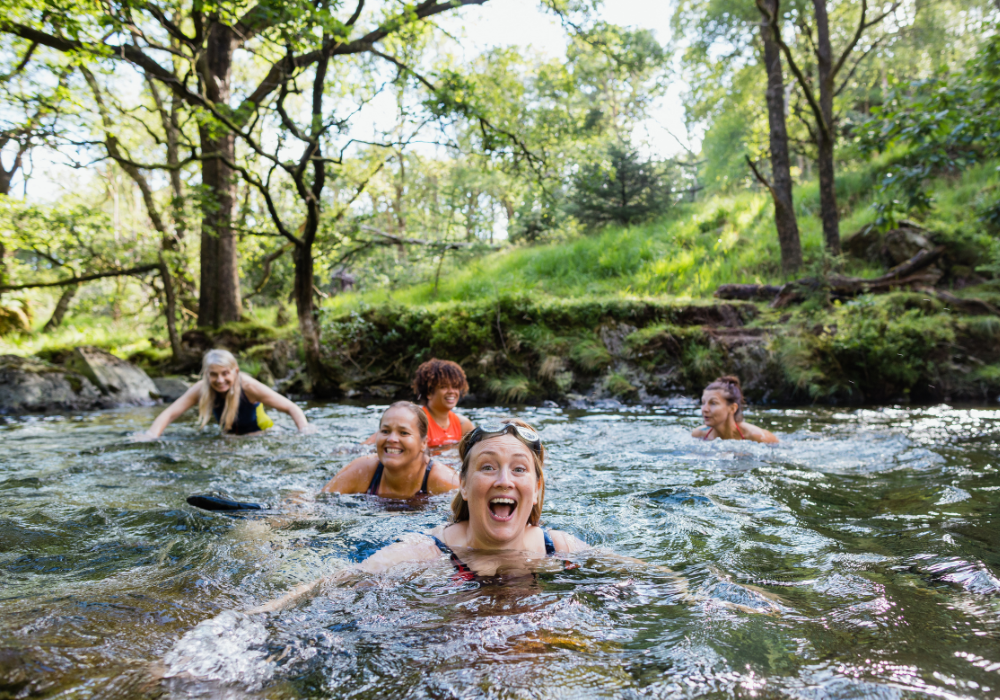 Wild Fun: Games and Activities to Entertain Youngsters in NatureRead more
Hiking with kids is a fantastic way to introduce them to the wonders of the natural world, but let's be honest: "Are...
-
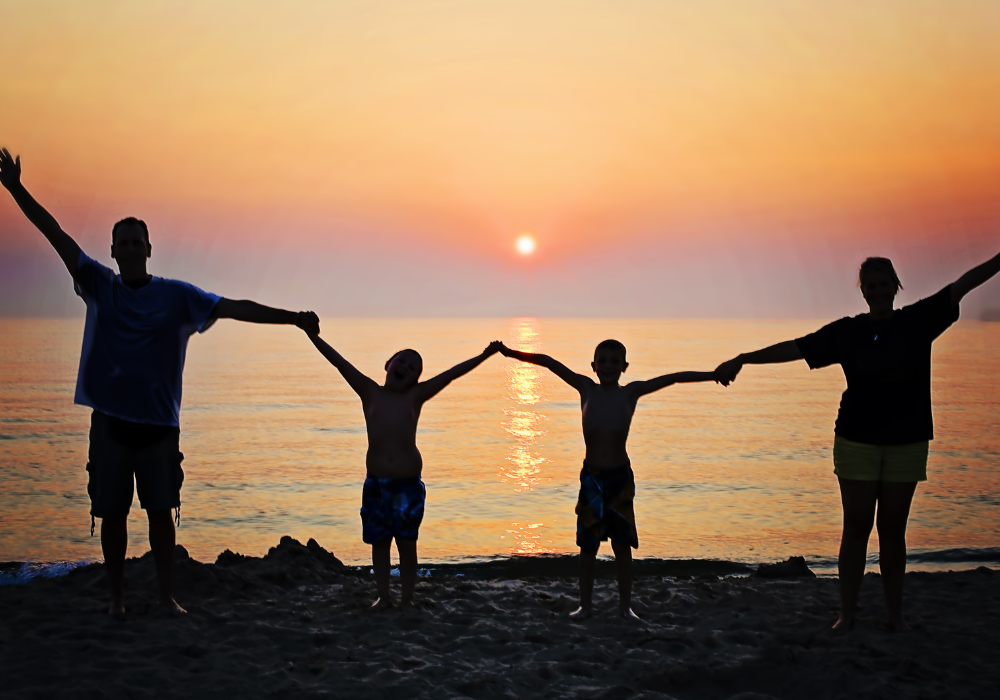 The Family Trek: Motivating Kids to Hike Long DistancesRead more
Getting kids excited about hiking long distances can sometimes feel like a trek in itself. While the promise of...
-
 Mastering Your FireMaple Stove: Efficient Cooking in the OutdoorsRead more
FireMaple stoves have gained a reputation among outdoor enthusiasts for their impressive balance of performance,...
-
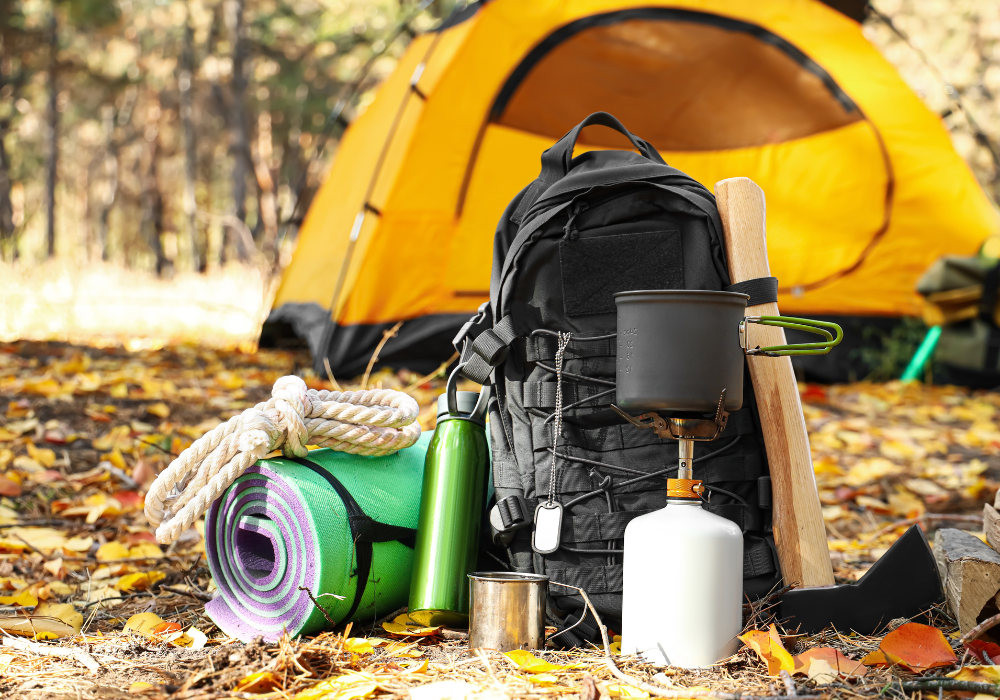 Essential Kitchen Gear: Indispensable Utensils for Hiking & CampingRead more
When packing for a hike or camping trip, every ounce counts, and every item needs to earn its place. While it's...
-
 Keeping Food Fresh: Mastering Refrigeration-Free Food Storage for the OutdoorsRead more
Heading out into the wilderness often means leaving modern conveniences behind, and that includes your refrigerator....
-
 Simple & Nutritious Camping Recipes for Your Next AdventureRead more
After a day of hiking, exploring, or simply relaxing in nature, there’s nothing quite like a delicious, hot meal...


Blog categories
Search in blog
Archived posts
Solo Hiking: Understanding the Risks and Staying Safe
The Primary Risks of Solo Hiking
While solo hiking can be incredibly rewarding, it's crucial to be aware of the potential challenges you might face without a companion:
-
Injury and Medical Emergencies: This is arguably the biggest concern. A twisted ankle, a fall, a sudden allergic reaction, or unexpected illness can turn a minor incident into a critical situation when there's no one to call for help or administer first aid.
-
Getting Lost: Even on well-marked trails, it's possible to take a wrong turn, especially if conditions change (fog, snow) or you're distracted. Without a partner to double-check navigation or offer a second opinion, getting disoriented can quickly escalate.
-
Wildlife Encounters: While rare, encountering aggressive wildlife can be frightening. Having a partner can sometimes deter animals or provide an extra set of eyes and ears to spot potential threats earlier.
-
Weather Changes: Rapid shifts in weather (sudden storms, temperature drops) can lead to hypothermia or hyperthermia. If you're alone and unprepared, these conditions can quickly become life-threatening.
-
Mental and Emotional Challenges: Loneliness, fear, or a sense of isolation can creep in, especially on longer or more challenging treks. The psychological toll can impact decision-making.
-
Gear Failure: A broken water filter, a ripped tent, or a headlamp dying in the dark are inconvenient with a group, but potentially dangerous alone.
-
Human Threats: While less common, the risk of encountering unsavory individuals exists, particularly in more accessible areas.
How to Mitigate the Risks and Hike Safely Alone
Don't let these risks deter you from solo hiking, but let them empower you to plan meticulously and hike intelligently.
1. Plan Meticulously & Know Your Route
-
Research Thoroughly: Understand the trail difficulty, elevation changes, water sources, potential hazards, and typical weather conditions for the season.
-
Know Your Limits: Choose a trail that genuinely matches your fitness and experience level. Err on the side of caution.
-
Study the Map: Carry a physical map and compass (and know how to use them) in addition to any GPS devices or phone apps. Consider downloading offline maps.
-
Check Forecasts: Get the most up-to-date weather forecast for the specific area you'll be hiking. Be prepared to cancel or change plans if conditions are poor.
2. Tell Someone Your Plans (and Stick to Them!)
-
Leave an Itinerary: Inform a trusted friend or family member of your exact route, estimated departure and return times, and emergency contact information. Include details like your car make/model/license plate if you're parking at a trailhead.
-
"Check-In" System: Arrange specific times to check in with your contact. If you don't check in by a certain time, they should know to initiate a search or contact authorities.
-
Be Specific: Don't just say "I'm going hiking." Give precise details.
3. Pack Smart: The Ten Essentials (and More for Solo)
The Ten Essentials are non-negotiable for any hike, but even more crucial when solo:
-
Navigation: Map, compass, GPS device (with extra batteries/power bank).
-
Headlamp/Light: With extra batteries.
-
Sun Protection: Sunscreen, hat, sunglasses.
-
First Aid Kit: Comprehensive, and know how to use everything in it.
-
Knife/Multi-tool: For repairs or emergencies.
-
Fire Starter: Waterproof matches, lighter, fire starter.
-
Shelter: Emergency blanket, lightweight tarp, or bivvy.
-
Extra Food: More than you think you'll need.
-
Extra Water: Or water purification method.
-
Extra Clothes: Layers suitable for unexpected weather changes.
Solo additions: Consider a satellite messenger or personal locator beacon (PLB) for emergency communication outside of cell service. A whistle for signaling, and repair kits for essential gear (tent, stove, pack).
4. On the Trail: Stay Vigilant & Make Smart Choices
-
Stay Focused: Pay attention to your surroundings, trail markers, and your footing. Don't hike with headphones that block out ambient sounds.
-
Hydrate & Fuel: Drink water and eat snacks regularly, even if you don't feel thirsty or hungry.
-
Turn Back When Necessary: Don't be afraid to turn around if conditions worsen, you feel unwell, or you realize the trail is beyond your capabilities. Summit fever is dangerous.
-
Conserve Phone Battery: Use your phone sparingly for photos, and save battery for emergencies.
-
Trust Your Gut: If a situation or person feels off, listen to that instinct.
Solo hiking can be a profoundly enriching experience. By understanding the unique challenges and taking proactive steps to prepare, you can confidently and safely embrace the solitude of the wilderness.
Posted in:
Default category
Related posts
-
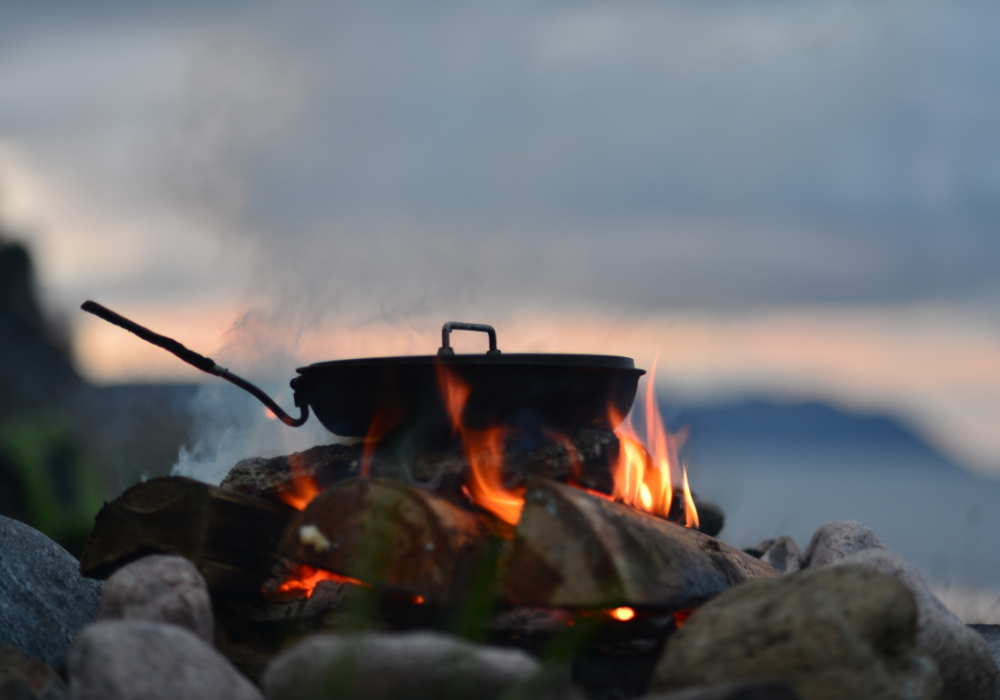 When you're deep in the wilderness, miles from civilization, your bivouac stove isn't just a luxury – it's a...Read more
 -
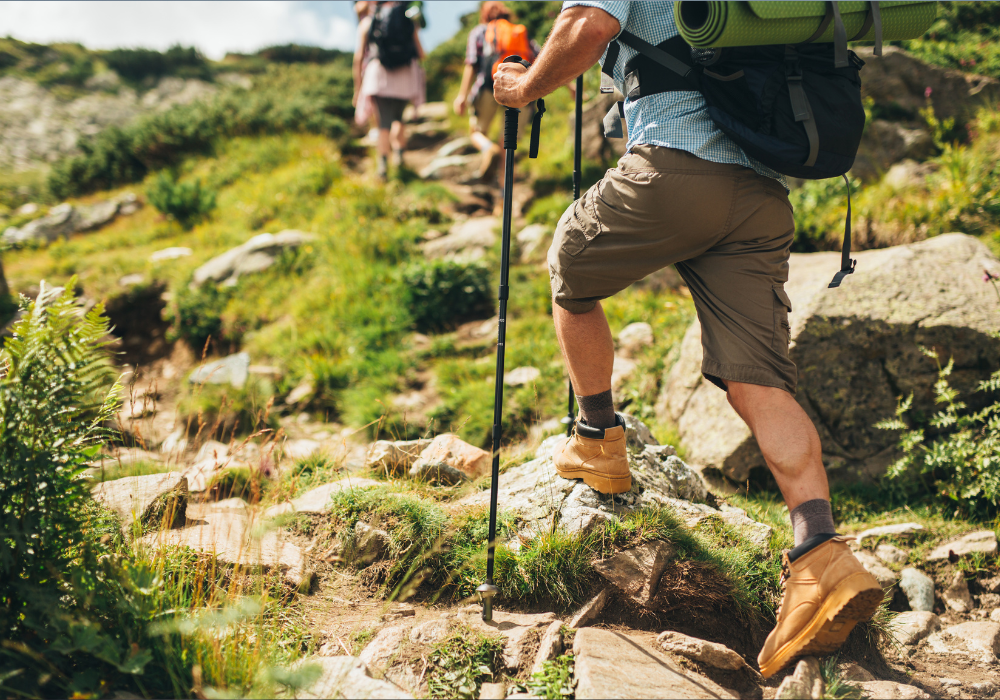 Dreaming of hitting the trails but unsure how to pick a hike that's just right for you? Planning a hiking itinerary...Read more
 -
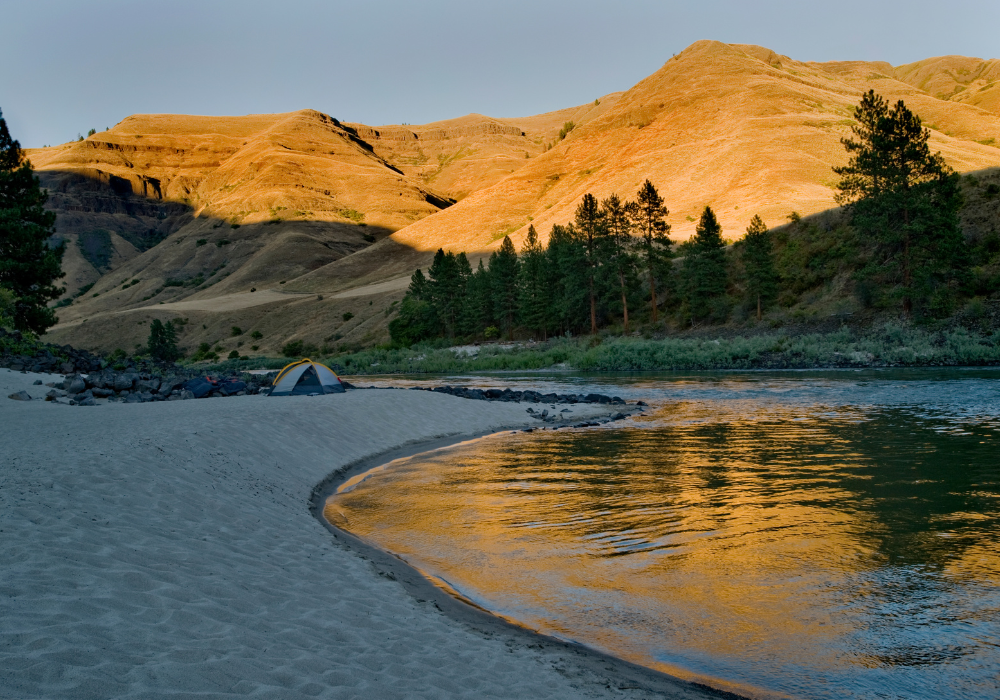 Embarking on a multi-day trek is an incredible experience, but proper water and food management is paramount for...Read more
 -
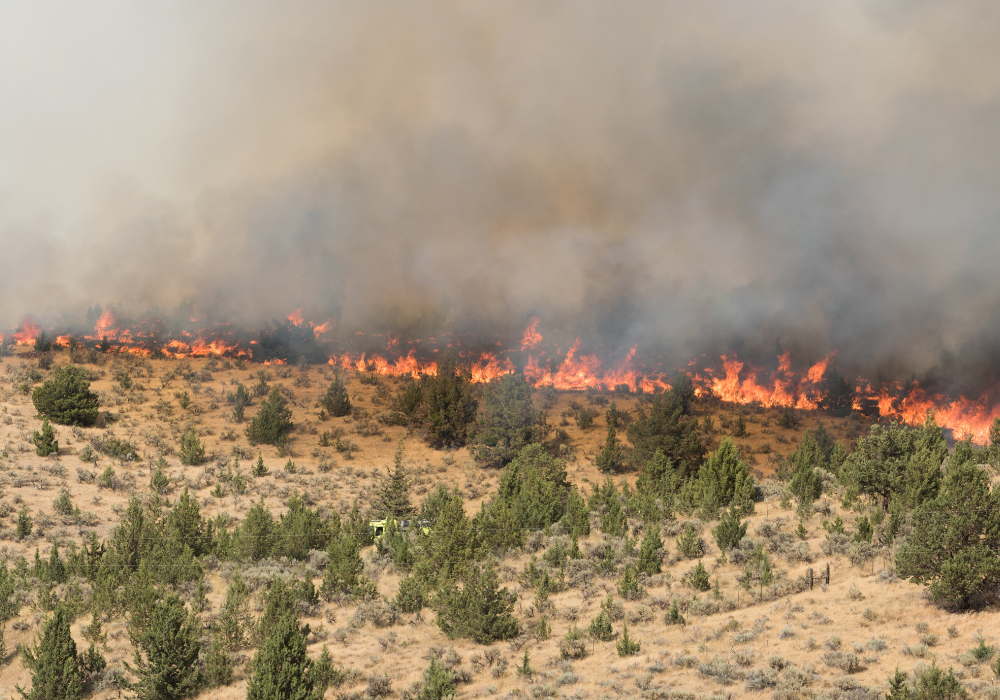 Hiking offers a unique chance to immerse ourselves in nature, and sometimes that means unforgettable encounters with...Read more
 -
 You set out under clear skies, but suddenly the wind picks up, dark clouds gather, or a sunny day turns into a...Read more


Leave a comment