

The idea of sleeping out under the open sky, far from established campgrounds, is incredibly alluring. A bivouac...
Latest posts
-
 First Bivouac Adventure: Ideal Destinations in France for BeginnersRead more
 -
 Choosing Your Basecamp: Finding a Campsite Near Hiking TrailsRead more
For many outdoor enthusiasts, a camping trip isn't complete without the opportunity to hit the trails. The perfect...
-
 France's Must-Hike Trails: Unforgettable Adventures Across the HexagonRead more
France, with its incredibly diverse landscapes, boasts a hiking paradise for every level of adventurer. From rugged...
-
 Bivouac Safety for Kids: Ensuring a Secure Night Under the StarsRead more
Spending a night under the stars on a bivouac is an incredible adventure, offering unique memories for families. The...
-
 Wild Fun: Games and Activities to Entertain Youngsters in NatureRead more
Hiking with kids is a fantastic way to introduce them to the wonders of the natural world, but let's be honest: "Are...
-
 The Family Trek: Motivating Kids to Hike Long DistancesRead more
Getting kids excited about hiking long distances can sometimes feel like a trek in itself. While the promise of...
-
 Mastering Your FireMaple Stove: Efficient Cooking in the OutdoorsRead more
FireMaple stoves have gained a reputation among outdoor enthusiasts for their impressive balance of performance,...
-
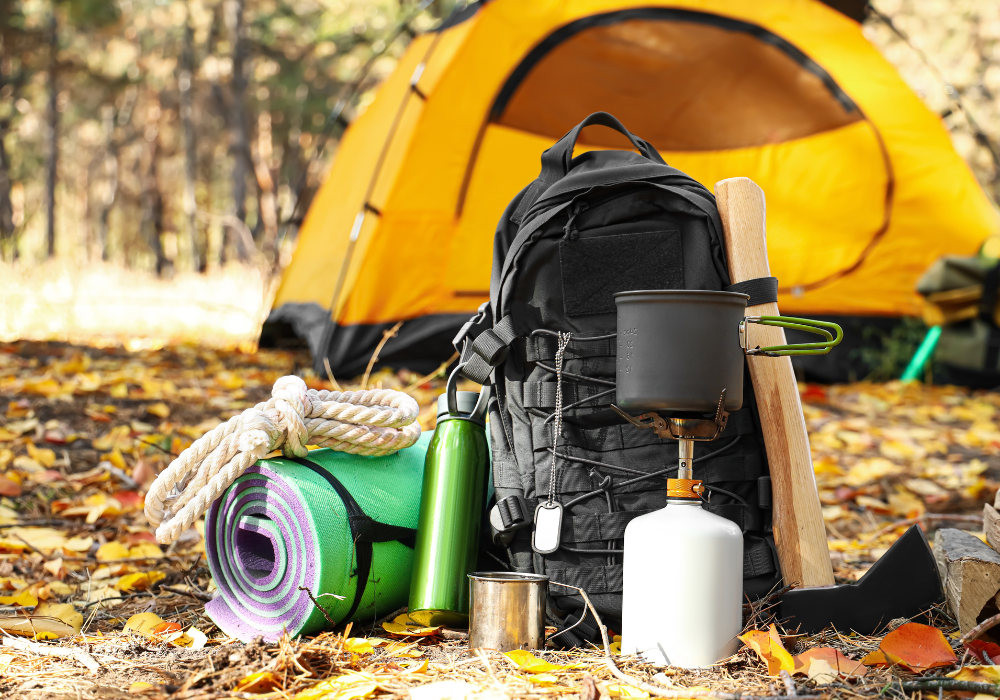 Essential Kitchen Gear: Indispensable Utensils for Hiking & CampingRead more
When packing for a hike or camping trip, every ounce counts, and every item needs to earn its place. While it's...
-
 Keeping Food Fresh: Mastering Refrigeration-Free Food Storage for the OutdoorsRead more
Heading out into the wilderness often means leaving modern conveniences behind, and that includes your refrigerator....
-
 Simple & Nutritious Camping Recipes for Your Next AdventureRead more
After a day of hiking, exploring, or simply relaxing in nature, there’s nothing quite like a delicious, hot meal...


Blog categories
Search in blog
Archived posts
Wildlife Encounters on the Trail: How to React and Stay Safe
General Principles for All Encounters
Before diving into specific reactions for certain animals, here are the golden rules to always follow:
-
Stay Calm: Panic is your worst enemy. Calm, measured behavior is the safest approach.
-
Keep Your Distance: Never approach a wild animal. The recommended distance varies, but if your presence changes its behavior, you're too close. Use binoculars for observation.
-
Never Feed Animals: This is rule number one. Feeding wildlife makes them dependent on humans, disrupts their natural diet, and can make them aggressive.
-
Don't Run Away: Running can trigger a chase instinct in some animals. Back away slowly and calmly.
-
Make Yourself Big and Loud: If an animal approaches or shows signs of aggression, make noise, wave your arms, and try to appear larger than you are.
-
Protect Your Pets: Always keep your dog on a leash. An unleashed dog can provoke a defensive or aggressive reaction from wildlife.
-
Respect Their Habitat: Stay on marked trails, leave no trace (not even organic waste), and avoid disturbing plants.
Specific Reactions to Certain Animals
While every encounter is unique, here are guidelines for animals you might come across while hiking:
1. Bears (Black Bear, Grizzly Bear)
Bears generally avoid humans. Attacks are rare but can be serious.
-
Prevention: Make noise while walking (talk, sing), especially in areas with low visibility. Always store your food in bear-proof containers or hung high. Carry bear spray and know how to use it.
-
If the bear hasn't seen you: Back away slowly and discreetly, making a wide detour if possible.
-
If the bear has seen you:
-
Stay calm. Speak to it softly so it identifies your human voice.
-
Make yourself big: Raise your arms, stay in a group.
-
Don't make eye contact.
-
Back away slowly without turning your back. Never run.
-
If the bear approaches or stands up: Bears often stand to see and smell better. This doesn't necessarily indicate aggression. Continue speaking calmly and backing away.
-
In case of a bluff charge: The bear may stop short of reaching you. Hold your ground, be ready to use your bear spray.
-
In case of an attack (rare):
-
Black bear: Fight back with everything you have. Don't play dead.
-
Grizzly (or mother with cubs): Play dead. Lie on your stomach, protect your neck with your hands. Remain still until the bear leaves.
-
-
2. Wolves and Coyotes
These canids are generally very wary and avoid humans.
-
Prevention: Never leave food out. Keep your dog on a leash.
-
If you encounter one:
-
Stay calm. Don't run.
-
Make yourself big and make noise. Yell, throw small stones near it to scare it away.
-
Move away slowly while maintaining eye contact.
-
In case of approach or aggression: Defend yourself aggressively. Shout, throw objects, fight back.
-
3. Snakes (Vipers, Colubrids)
Most snakes are harmless and will flee. Bites are rare and often accidental.
-
Prevention: Stay on trails. Wear hiking boots and long pants. Watch where you step and place your hands. Never pick up dead wood with bare hands.
-
If you encounter one:
-
Stop.
-
Don't touch it, even if it seems dead.
-
Make a wide detour to go around it.
-
Never try to catch or kill it. Most bites occur when people try to handle a snake.
-
-
In case of a bite (if bitten):
-
Stay calm.
-
Immobilize the bitten limb and keep it below heart level if possible.
-
Remove any jewelry that might constrict if swelling occurs.
-
Immediately call emergency services (e.g., 911 in North America, 112 in Europe).
-
Do not cut the wound, suck out venom, or apply a tourniquet.
-
4. Large Herbivores (Deer, Moose, Elk, Cows with calves)
Although herbivores, these animals can be dangerous if they feel threatened, especially if they have young.
-
Prevention: Maintain a respectful distance. Never get between a mother and her young. Keep your dog on a leash.
-
If you encounter one:
-
Observe them from a distance.
-
Do not try to approach or pet them.
-
If the animal seems agitated or charges: Seek cover behind a tree or large rock. If a moose charges, play dead and protect your head and neck.
-
The Importance of Prevention
The best approach to wildlife is prevention. By being a mindful and respectful hiker, you'll minimize the risk of unwanted encounters and help preserve these animals in their natural habitat. Educate yourself on the specific wildlife of the region you're hiking in, and remember that you are a guest in their home.
Posted in:
Default category
Related posts
-
 When you're deep in the wilderness, miles from civilization, your bivouac stove isn't just a luxury – it's a...Read more
 -
 Dreaming of hitting the trails but unsure how to pick a hike that's just right for you? Planning a hiking itinerary...Read more
 -
 Hiking alone offers an unparalleled sense of freedom, introspection, and connection with nature. There's a unique joy...Read more
 -
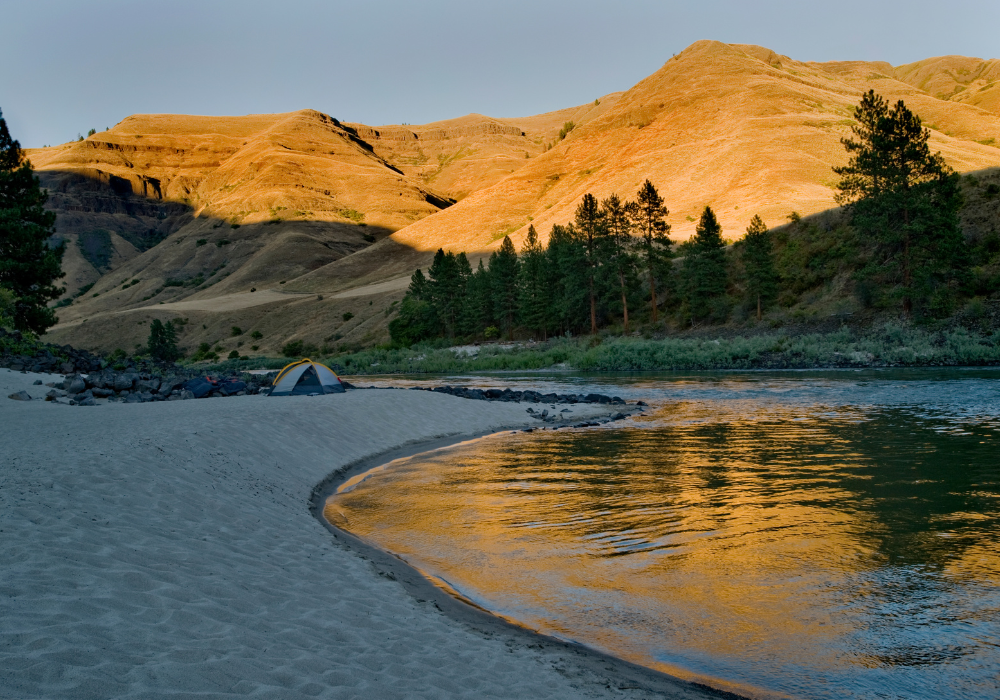 Embarking on a multi-day trek is an incredible experience, but proper water and food management is paramount for...Read more
 -
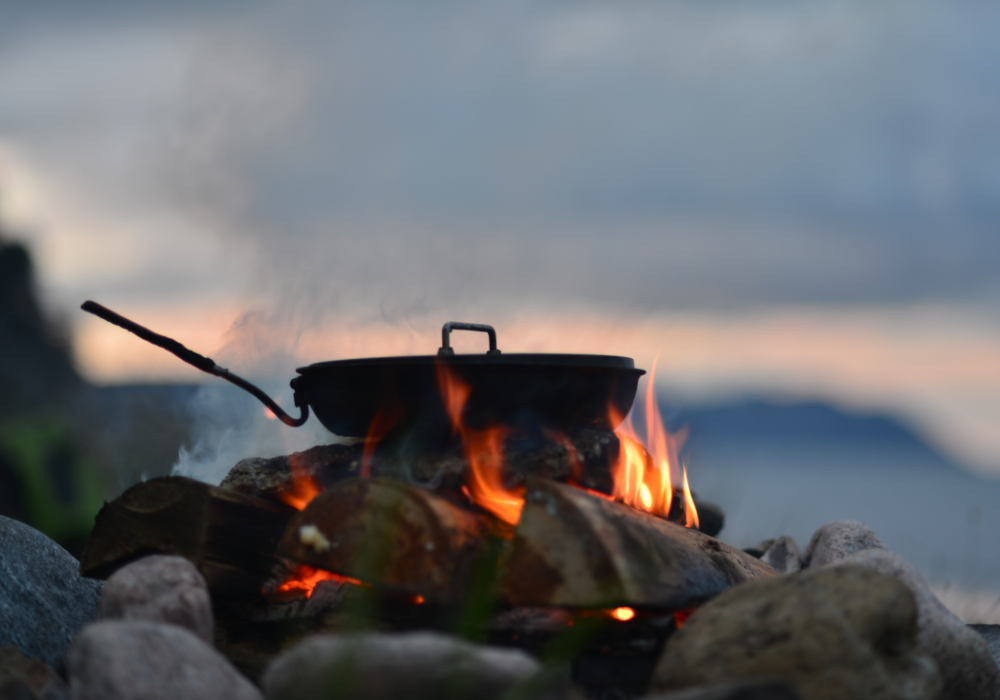 You set out under clear skies, but suddenly the wind picks up, dark clouds gather, or a sunny day turns into a...Read more


Leave a comment