

The idea of sleeping out under the open sky, far from established campgrounds, is incredibly alluring. A bivouac...
Latest posts
-
 First Bivouac Adventure: Ideal Destinations in France for BeginnersRead more
 -
 Choosing Your Basecamp: Finding a Campsite Near Hiking TrailsRead more
For many outdoor enthusiasts, a camping trip isn't complete without the opportunity to hit the trails. The perfect...
-
 France's Must-Hike Trails: Unforgettable Adventures Across the HexagonRead more
France, with its incredibly diverse landscapes, boasts a hiking paradise for every level of adventurer. From rugged...
-
 Bivouac Safety for Kids: Ensuring a Secure Night Under the StarsRead more
Spending a night under the stars on a bivouac is an incredible adventure, offering unique memories for families. The...
-
 Wild Fun: Games and Activities to Entertain Youngsters in NatureRead more
Hiking with kids is a fantastic way to introduce them to the wonders of the natural world, but let's be honest: "Are...
-
 The Family Trek: Motivating Kids to Hike Long DistancesRead more
Getting kids excited about hiking long distances can sometimes feel like a trek in itself. While the promise of...
-
 Mastering Your FireMaple Stove: Efficient Cooking in the OutdoorsRead more
FireMaple stoves have gained a reputation among outdoor enthusiasts for their impressive balance of performance,...
-
 Essential Kitchen Gear: Indispensable Utensils for Hiking & CampingRead more
When packing for a hike or camping trip, every ounce counts, and every item needs to earn its place. While it's...
-
 Keeping Food Fresh: Mastering Refrigeration-Free Food Storage for the OutdoorsRead more
Heading out into the wilderness often means leaving modern conveniences behind, and that includes your refrigerator....
-
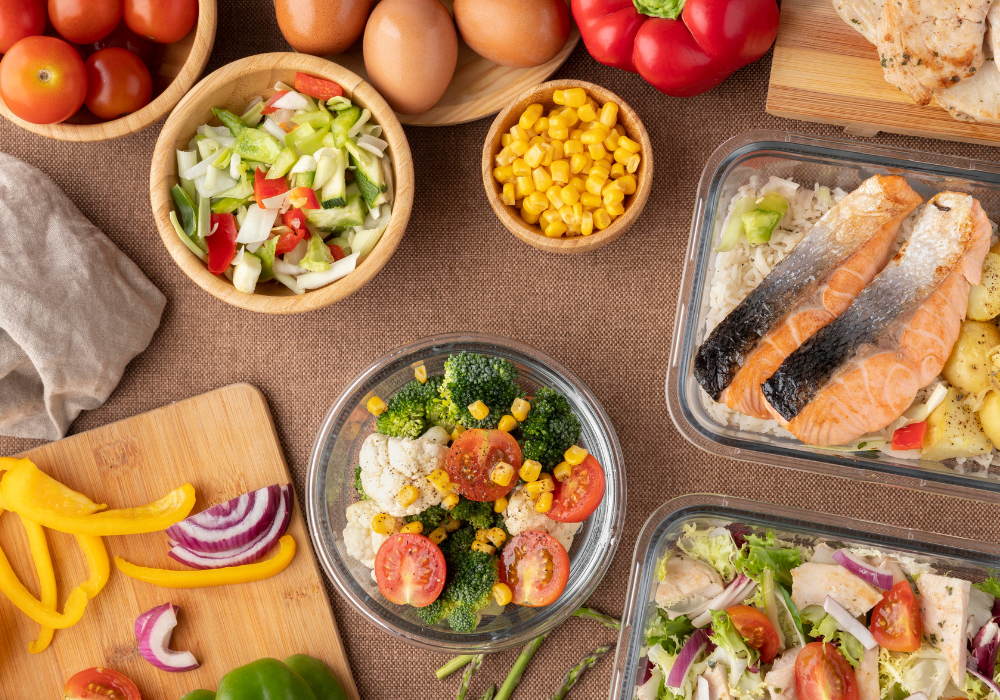 Simple & Nutritious Camping Recipes for Your Next AdventureRead more
After a day of hiking, exploring, or simply relaxing in nature, there’s nothing quite like a delicious, hot meal...


Blog categories
Search in blog
Archived posts
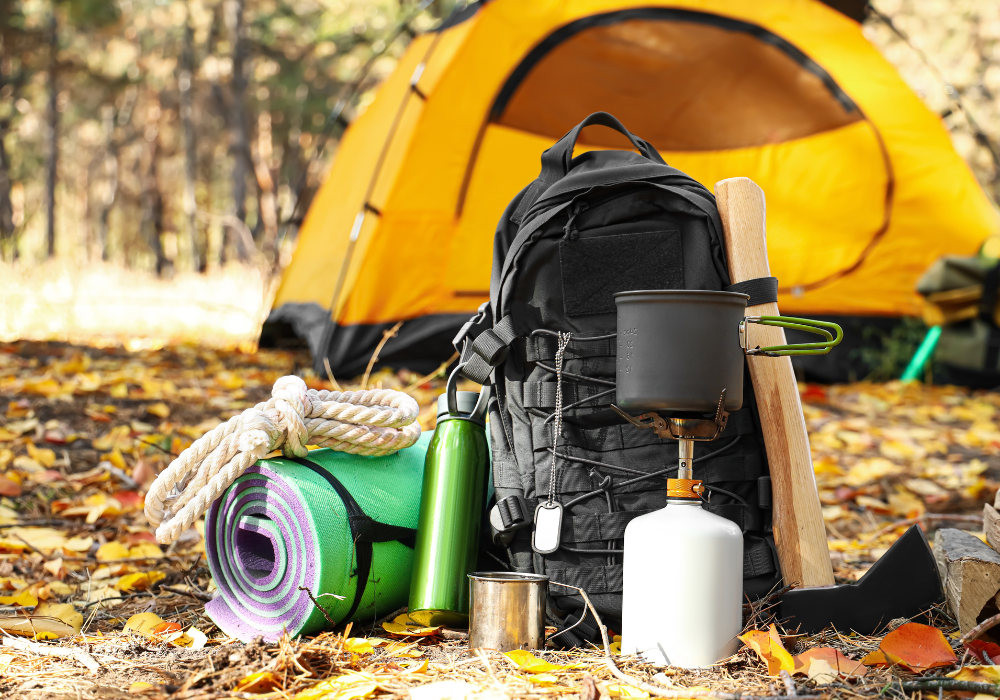
Essential Kitchen Gear: Indispensable Utensils for Hiking & Camping
The Core Pillars of Your Outdoor Kitchen
These are the absolute must-haves for preparing and enjoying meals in the wilderness.
1. The Cooking Pot (or Pot Set)
-
Why it's indispensable: Your primary cooking vessel for boiling water, simmering meals, and rehydrating food.
-
What to look for:
-
Material: Aluminum (lightweight, good heat transfer, affordable) or titanium (ultra-light, very strong, but expensive and can hot-spot). Stainless steel is durable but heavier.
-
Size: A 0.9-1.5 liter pot is often sufficient for 1-2 people. For groups, a larger single pot or nested pot set might be better.
-
Features: Look for a lid (essential for faster boiling and fuel efficiency), a handle (folding ones save space), and volume markings. Some pots come with integrated heat exchangers for even greater fuel efficiency.
-
2. Eating Utensil: The Spork (or Spoon/Fork)
-
Why it's indispensable: A single tool to eat most camp meals.
-
What to look for:
-
Material: Titanium (super light, durable), hard plastic (very light, inexpensive), or long-handled versions (great for reaching the bottom of dehydrated meal bags without getting messy).
-
Spoon vs. Spork: A spoon is often preferred for rehydrated meals and soups. Many hikers find sporks less efficient than a dedicated spoon. A long-handled spoon is often the favorite.
-
3. Camp Stove & Fuel
-
Why it's indispensable: Unless you're strictly on a no-cook trip or relying on regulated campfires, a stove is crucial for hot meals and drinks.
-
What to look for: (Covered in more detail in a subsequent prompt about FireMaple, but generally)
-
Type: Canister stoves (light, easy), liquid fuel stoves (reliable in cold), or alcohol stoves (ultralight).
-
Efficiency: Consider boil times and fuel consumption.
-
Beyond the Essentials: Enhancing Your Camp Kitchen
Once you have the core items, consider these additions for more versatility and convenience, depending on your trip style and group size.
4. Mug/Bowl Combo
-
Why it's useful: For coffee, tea, rehydrated meals, or even just a warm drink on a chilly morning. Some pots double as a mug.
-
What to look for: Insulated (keeps drinks hot longer), lightweight plastic or titanium. Often nested within the cook pot to save space.
5. Small Knife/Multi-tool
-
Why it's useful: For opening packages, slicing salami, cutting cordage, or various minor repairs.
-
What to look for: A sharp blade, ideally with other useful tools like a can opener or bottle opener.
6. Cleaning Supplies
-
Why it's useful: For hygiene and maintaining your gear.
-
What to look for: A small sponge or scrubber (cut a piece from a larger one), biodegradable soap (use sparingly and away from water sources), and a small pack towel.
7. Long-Handled Spatula/Stirring Spoon
-
Why it's useful: If you plan on more involved cooking than just boiling water, this prevents burning your fingers and helps scrape food from the bottom of the pot.
-
What to look for: Lightweight plastic or silicone.
8. Water Filter/Purifier
-
Why it's useful: While not strictly a cooking utensil, access to safe water is fundamental for all cooking.
-
What to look for: A reliable filter (e.g., Sawyer Squeeze) for backcountry water sources.
Packing Your Kitchen: Tips for Efficiency
-
Nest Everything: Place smaller items (spork, stove, fuel canister) inside your pot to save space.
-
Use a Stuff Sack: Keep all your kitchen items together in a lightweight stuff sack to prevent rattling and keep them clean.
-
Leave No Trace: Always pack out all food scraps and waste. Wash dishes away from water sources using minimal biodegradable soap.
By carefully selecting your cooking utensils, you can create a highly functional, lightweight, and efficient outdoor kitchen that helps you enjoy delicious and nourishing meals wherever your adventures take you.
Posted in:
Default category
Related posts
-
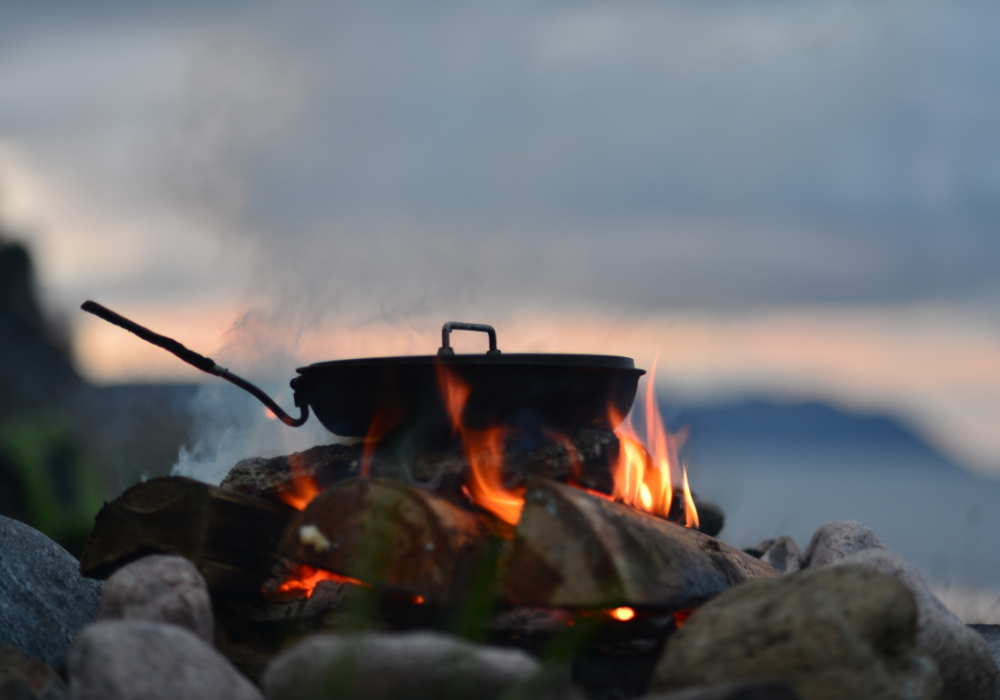 When you're deep in the wilderness, miles from civilization, your bivouac stove isn't just a luxury – it's a...Read more
 -
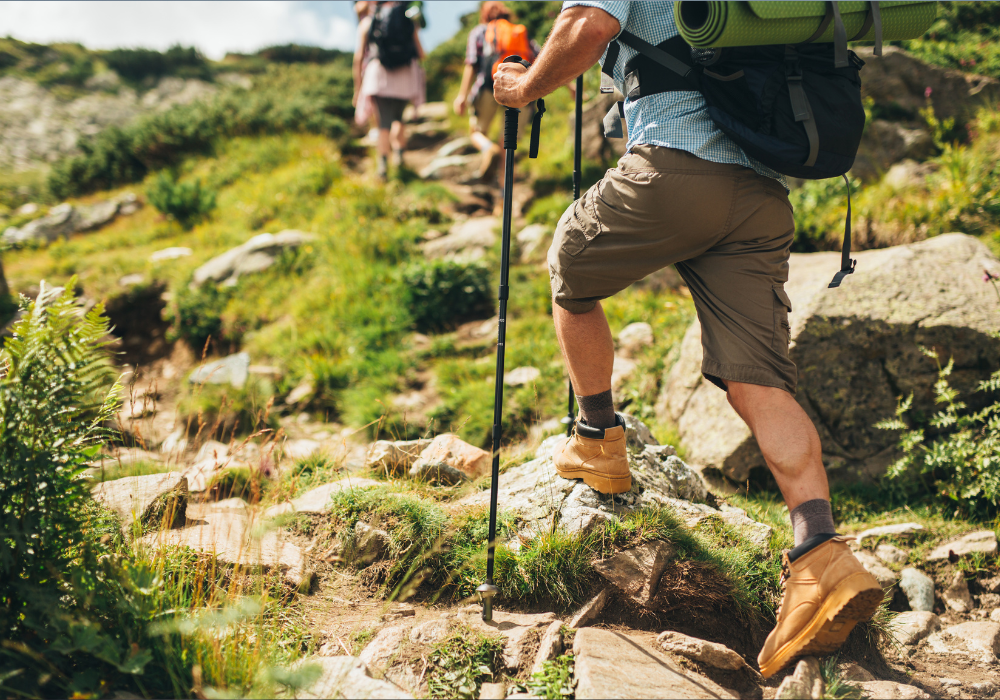 Dreaming of hitting the trails but unsure how to pick a hike that's just right for you? Planning a hiking itinerary...Read more
 -
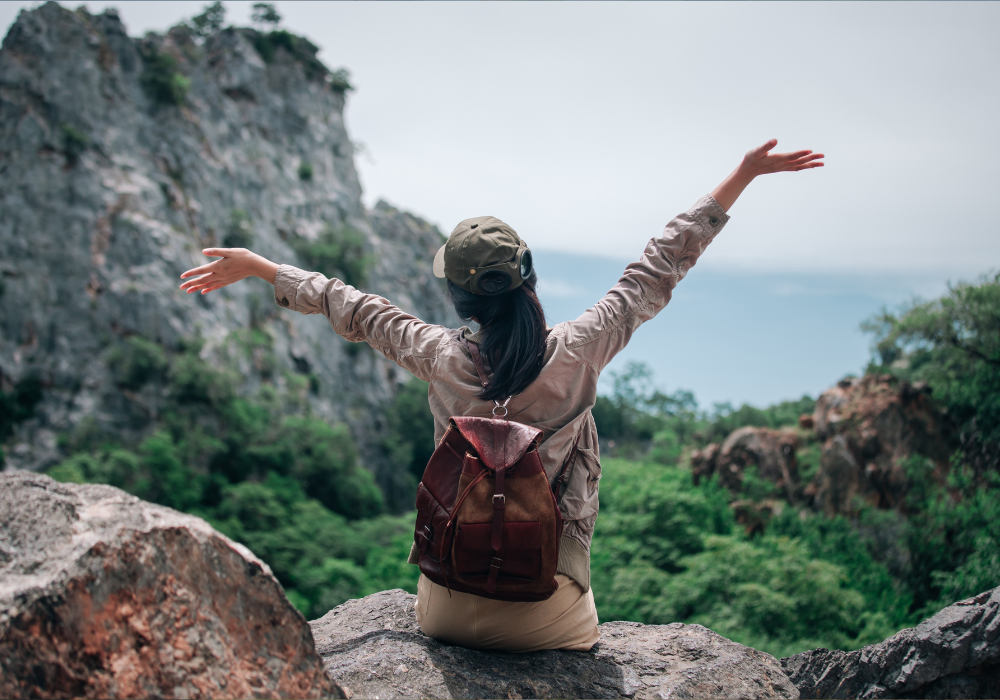 Hiking alone offers an unparalleled sense of freedom, introspection, and connection with nature. There's a unique joy...Read more
 -
 Embarking on a multi-day trek is an incredible experience, but proper water and food management is paramount for...Read more
 -
 Hiking offers a unique chance to immerse ourselves in nature, and sometimes that means unforgettable encounters with...Read more


Leave a comment