

The idea of sleeping out under the open sky, far from established campgrounds, is incredibly alluring. A bivouac...
Latest posts
-
 First Bivouac Adventure: Ideal Destinations in France for BeginnersRead more
 -
 Choosing Your Basecamp: Finding a Campsite Near Hiking TrailsRead more
For many outdoor enthusiasts, a camping trip isn't complete without the opportunity to hit the trails. The perfect...
-
 France's Must-Hike Trails: Unforgettable Adventures Across the HexagonRead more
France, with its incredibly diverse landscapes, boasts a hiking paradise for every level of adventurer. From rugged...
-
 Bivouac Safety for Kids: Ensuring a Secure Night Under the StarsRead more
Spending a night under the stars on a bivouac is an incredible adventure, offering unique memories for families. The...
-
 Wild Fun: Games and Activities to Entertain Youngsters in NatureRead more
Hiking with kids is a fantastic way to introduce them to the wonders of the natural world, but let's be honest: "Are...
-
 The Family Trek: Motivating Kids to Hike Long DistancesRead more
Getting kids excited about hiking long distances can sometimes feel like a trek in itself. While the promise of...
-
 Mastering Your FireMaple Stove: Efficient Cooking in the OutdoorsRead more
FireMaple stoves have gained a reputation among outdoor enthusiasts for their impressive balance of performance,...
-
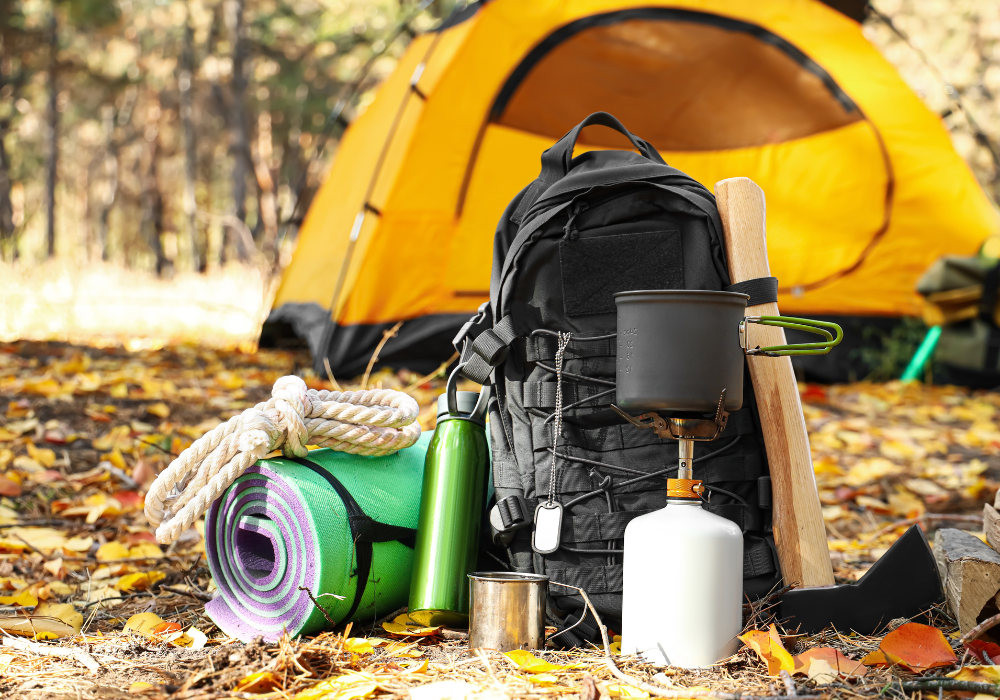 Essential Kitchen Gear: Indispensable Utensils for Hiking & CampingRead more
When packing for a hike or camping trip, every ounce counts, and every item needs to earn its place. While it's...
-
 Keeping Food Fresh: Mastering Refrigeration-Free Food Storage for the OutdoorsRead more
Heading out into the wilderness often means leaving modern conveniences behind, and that includes your refrigerator....
-
 Simple & Nutritious Camping Recipes for Your Next AdventureRead more
After a day of hiking, exploring, or simply relaxing in nature, there’s nothing quite like a delicious, hot meal...


Blog categories
Search in blog
Archived posts
Crafting Your Perfect Hike: Planning an Itinerary Suited to Your Level
Understanding Your Hiking Level
Before you even look at a map, take an honest assessment of yourself.
-
Beginner: You're new to hiking, prefer flat or gently rolling terrain, and trips under 5 miles. You might not have specialized gear and prefer well-marked trails.
-
Intermediate: You hike regularly, can handle moderate elevation gains and descents, and are comfortable with trips up to 10-12 miles. You might venture onto slightly rougher terrain.
-
Advanced: You're an experienced hiker, comfortable with significant elevation changes, rugged terrain, and longer distances (15+ miles or multi-day trips). You're prepared for varied weather and more remote conditions.
Consider your current fitness level, experience with varied terrain (rocky, muddy, steep), and comfort with exposure (ridges, cliffs). Be honest; there's no shame in starting small and building up!
Key Factors to Evaluate When Planning a Route
Once you know your level, it's time to evaluate the trails. Look beyond just the mileage.
1. Distance
This is the most straightforward factor. A general rule of thumb for beginners is to start with 2-3 miles. Intermediate hikers can aim for 5-8 miles, while advanced hikers can tackle 10+ miles or multi-day excursions. Remember that distance feels longer with elevation gain or challenging terrain.
2. Elevation Gain (and Loss)
This is often the most overlooked and most challenging aspect of a hike. A flat 10-mile hike is vastly different from a 10-mile hike with 3,000 feet of elevation gain.
-
Gentle: Under 500 feet per 5 miles.
-
Moderate: 500-1,500 feet per 5 miles.
-
Strenuous: Over 1,500 feet per 5 miles.
Look for the total elevation gain and also consider the steepness (how quickly that elevation is gained). A steady climb is often easier than very steep, short ascents.
3. Terrain Type
What's underfoot?
-
Smooth trails: Paved paths, compacted dirt.
-
Uneven trails: Roots, rocks, small obstacles.
-
Technical trails: Large boulders, scree, stream crossings, scrambles, exposed sections.
A short hike on technical terrain can be more exhausting and risky than a long hike on smooth trails.
4. Weather and Season
Weather can dramatically change a trail's difficulty. Rain makes trails slippery and muddy. Snow and ice add significant challenge and require specialized gear. Extreme heat or cold can also turn an easy hike into a struggle. Always check the forecast and seasonal conditions before you go.
5. Trail Markings and Navigation
Well-marked trails are great for beginners. If a trail is less defined, or requires navigation skills (map and compass, GPS), ensure you're comfortable with that challenge. Remote trails with minimal signage are best left to experienced hikers.
Tools and Resources for Planning
-
Online Hiking Apps/Websites: AllTrails, Gaia GPS, Komoot, and local park websites are invaluable. They provide trail maps, elevation profiles, user reviews, and photos. Pay close attention to recent reviews for current trail conditions.
-
Topographic Maps: For more detailed planning, especially off-trail or in remote areas, a good topo map is essential. Learn to read contour lines to understand elevation changes.
-
Guidebooks: Often provide excellent local insights, historical information, and detailed descriptions of trails.
-
Local Park Rangers/Visitor Centers: These are fantastic resources for up-to-date conditions, recommended routes, and safety advice.
Putting It All Together
-
Assess Yourself: Be honest about your current fitness and experience.
-
Research Potential Trails: Use the tools above to find trails in your desired area.
-
Analyze Key Factors: For each potential trail, look at distance, total elevation gain, terrain, and check recent conditions/weather.
-
Match and Select: Choose the trail that aligns best with your self-assessment. If in doubt, err on the side of caution and pick a slightly easier trail. You can always turn back or pick a longer, harder one next time.
-
Plan for Safety: Always tell someone your itinerary, pack the Ten Essentials, and bring enough water and snacks.
By taking the time to plan an itinerary that truly fits your level, you're setting yourself up for an incredible outdoor experience every time. Happy hiking!
Posted in:
Default category
Related posts
-
 When you're deep in the wilderness, miles from civilization, your bivouac stove isn't just a luxury – it's a...Read more
 -
 Hiking alone offers an unparalleled sense of freedom, introspection, and connection with nature. There's a unique joy...Read more
 -
 Embarking on a multi-day trek is an incredible experience, but proper water and food management is paramount for...Read more
 -
 Hiking offers a unique chance to immerse ourselves in nature, and sometimes that means unforgettable encounters with...Read more
 -
 You set out under clear skies, but suddenly the wind picks up, dark clouds gather, or a sunny day turns into a...Read more


Leave a comment