

The idea of sleeping out under the open sky, far from established campgrounds, is incredibly alluring. A bivouac...
Latest posts
-
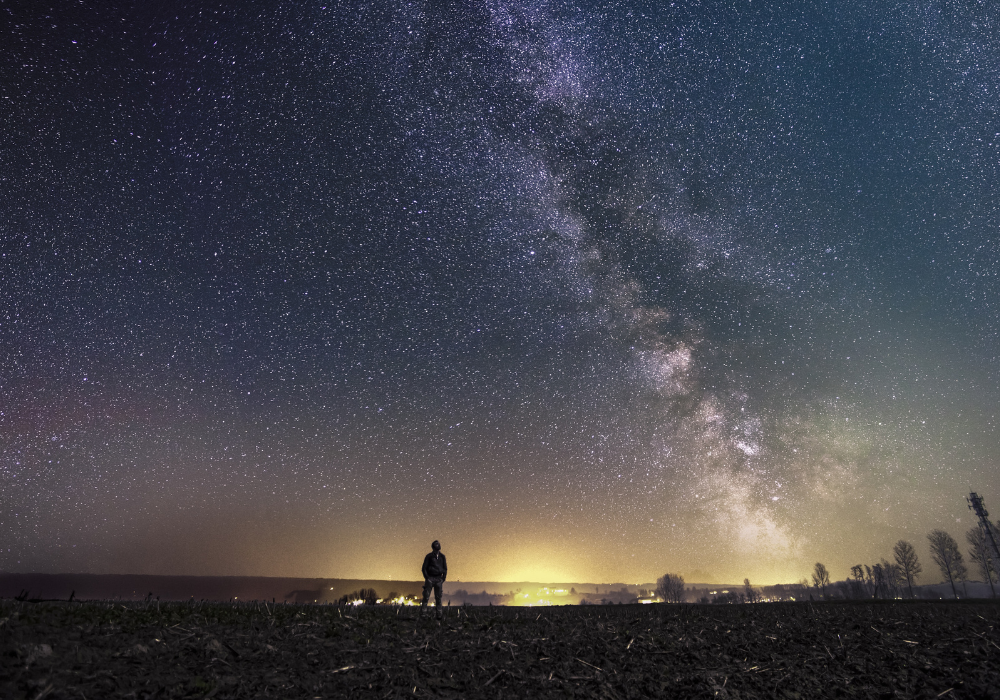 First Bivouac Adventure: Ideal Destinations in France for BeginnersRead more
 -
 Choosing Your Basecamp: Finding a Campsite Near Hiking TrailsRead more
For many outdoor enthusiasts, a camping trip isn't complete without the opportunity to hit the trails. The perfect...
-
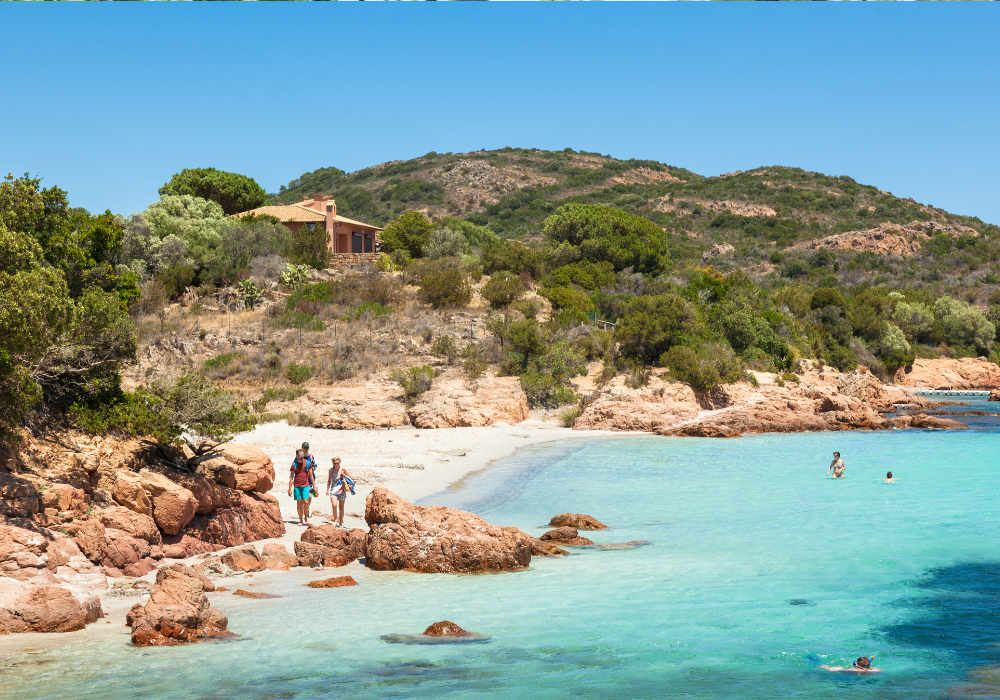 France's Must-Hike Trails: Unforgettable Adventures Across the HexagonRead more
France, with its incredibly diverse landscapes, boasts a hiking paradise for every level of adventurer. From rugged...
-
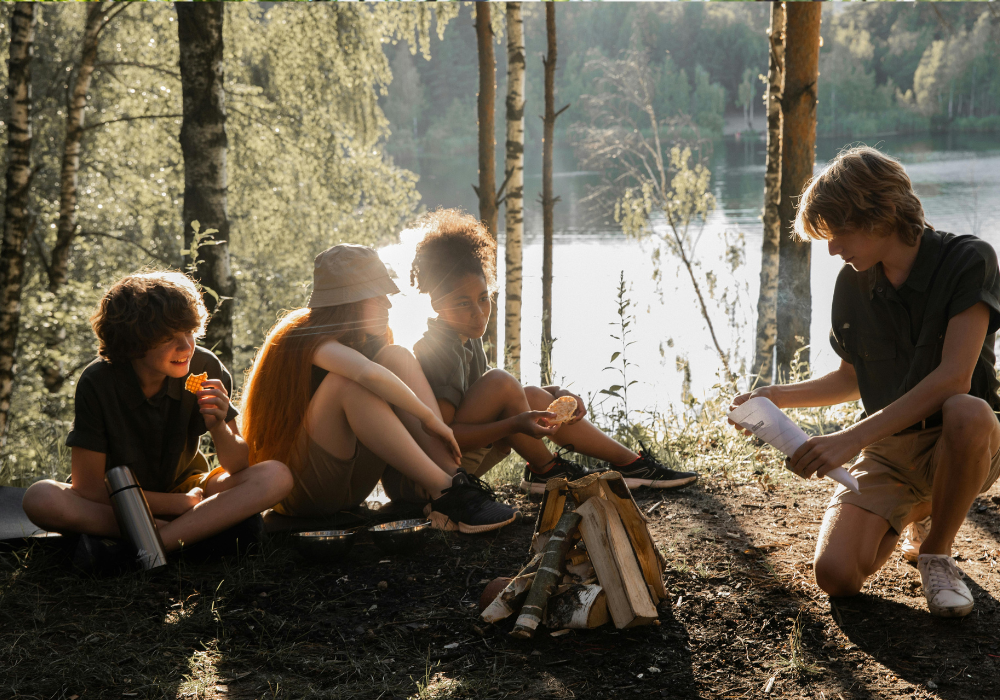 Bivouac Safety for Kids: Ensuring a Secure Night Under the StarsRead more
Spending a night under the stars on a bivouac is an incredible adventure, offering unique memories for families. The...
-
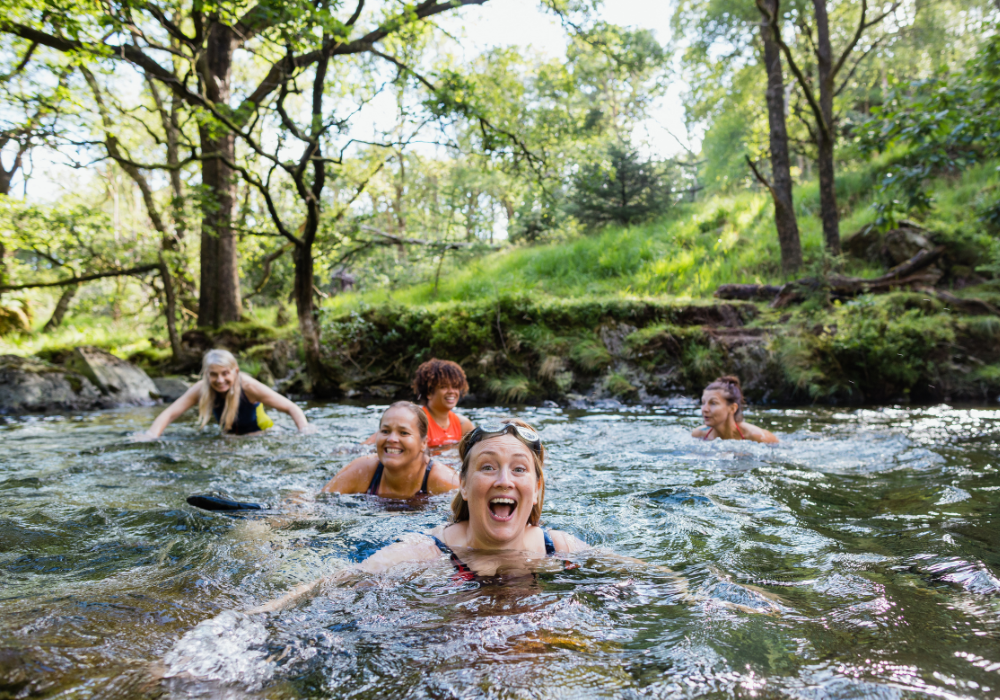 Wild Fun: Games and Activities to Entertain Youngsters in NatureRead more
Hiking with kids is a fantastic way to introduce them to the wonders of the natural world, but let's be honest: "Are...
-
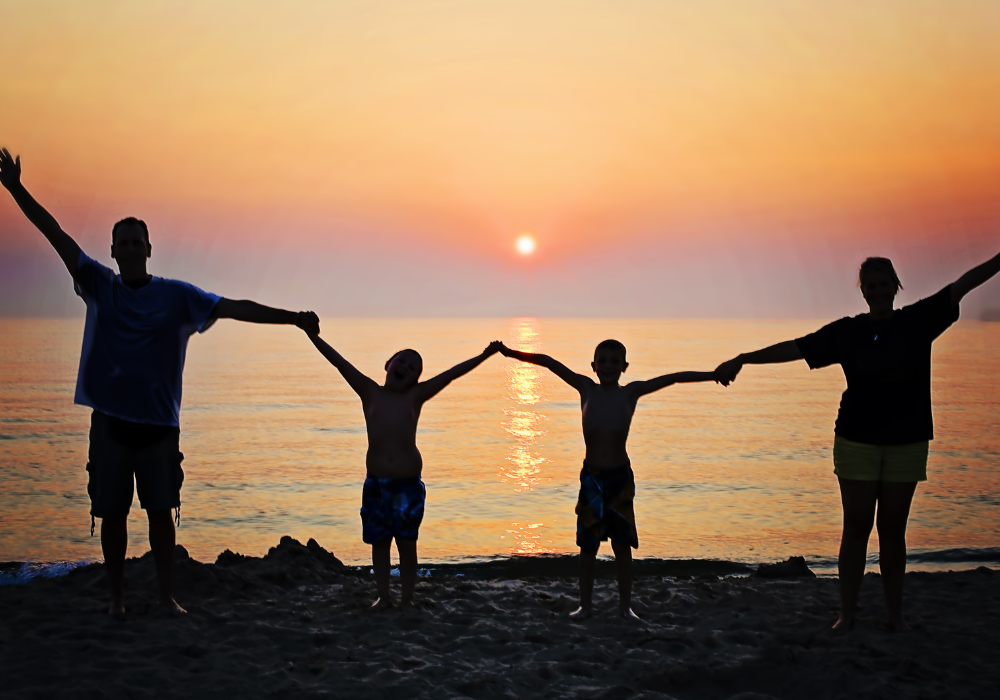 The Family Trek: Motivating Kids to Hike Long DistancesRead more
Getting kids excited about hiking long distances can sometimes feel like a trek in itself. While the promise of...
-
 Mastering Your FireMaple Stove: Efficient Cooking in the OutdoorsRead more
FireMaple stoves have gained a reputation among outdoor enthusiasts for their impressive balance of performance,...
-
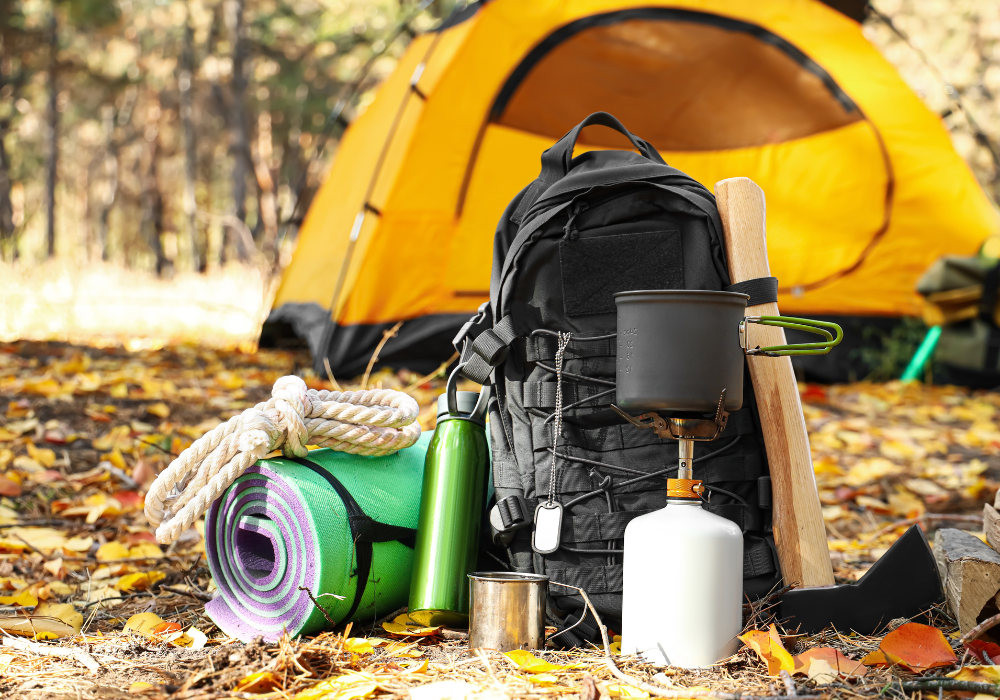 Essential Kitchen Gear: Indispensable Utensils for Hiking & CampingRead more
When packing for a hike or camping trip, every ounce counts, and every item needs to earn its place. While it's...
-
 Keeping Food Fresh: Mastering Refrigeration-Free Food Storage for the OutdoorsRead more
Heading out into the wilderness often means leaving modern conveniences behind, and that includes your refrigerator....
-
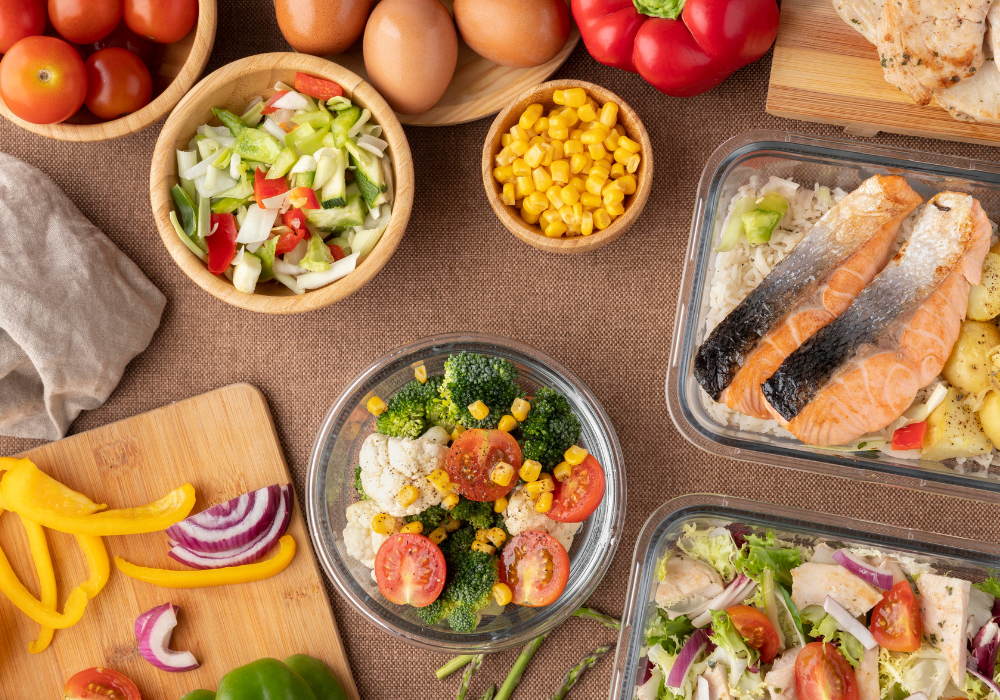 Simple & Nutritious Camping Recipes for Your Next AdventureRead more
After a day of hiking, exploring, or simply relaxing in nature, there’s nothing quite like a delicious, hot meal...


Blog categories
Search in blog
Archived posts
Water and Food Management for Extended Treks
Water: The Lifeline of Your Trek
Water is heavier than food, and your body needs a lot of it. Smart water planning is non-negotiable.
1. Estimate Your Needs
A general rule is 2-4 liters of water per person per day, depending on exertion level, temperature, and individual hydration needs. Hot weather, strenuous climbs, and high altitudes increase your requirements. Factor in water needed for cooking and rehydrating meals.
2. Identify Water Sources
Before you go, meticulously research your route for reliable water sources like springs, rivers, lakes, or established campsites with potable water.
-
Topographic Maps: Use maps to identify potential streams or lakes.
-
Guidebooks & Online Resources: Check recent trail reports or forums for information on current water availability, as sources can dry up.
-
Local Rangers: Contact park rangers for the most up-to-date conditions.
3. Carry Sufficient Capacity
Don't rely solely on a small bottle. Carry enough capacity for dry stretches, typically 2-4 liters in bottles, bladders, or soft flasks.
4. Water Purification is Essential
Assume all natural water sources need to be treated. Never drink untreated water, no matter how clear it looks.
-
Filters: (e.g., Sawyer Squeeze, Katadyn BeFree) Lightweight, fast, and remove bacteria and protozoa. Excellent for personal use or small groups.
-
Purifiers: (e.g., MSR Guardian) More robust, removing viruses in addition to bacteria and protozoa, ideal for international travel or areas with higher contamination risk.
-
Chemical Treatments: (e.g., AquaMira drops, iodine tablets) Lightweight and compact, but take longer to work and can leave an aftertaste. Good as a backup.
-
Boiling: The most reliable method, but consumes fuel and time. Good for cooking water.
5. Manage Water Efficiently
-
Hydrate Often: Sip water regularly, don't wait until you're thirsty.
-
Collect When Available: When you find a reliable source, fill up! Don't pass up opportunities, as the next source might be dry or further than anticipated.
-
Pre-hydrate: Drink plenty of water the day before your trek begins.
Food: Fueling Your Adventure
Food is your energy source. The goal is to maximize calories and nutrition while minimizing weight and bulk.
1. Calculate Your Caloric Needs
Extended treks demand significant energy. Depending on your body size, pack weight, and exertion, you might need 3,000-5,000 calories per day. Beginners often underestimate this.
2. Prioritize Calorie-Dense Foods
Choose foods with a high calorie-to-weight ratio.
-
Fats: Nuts, seeds, nut butters, olive oil, cheese, dark chocolate. These are your best friends for sustained energy.
-
Carbohydrates: Dried fruits, granola, instant oatmeal, tortillas, ramen noodles, couscous, instant rice. Provide quick and accessible energy.
-
Proteins: Jerky, dehydrated meats/fish, protein powder, hard cheeses, lentils. Crucial for muscle repair.
3. Plan Meals Systematically
-
Breakfast: Quick and easy. Instant oatmeal, granola with powdered milk, coffee/tea.
-
Lunch: No-cook options are best to save time and fuel. Tortillas with peanut butter, cheese, jerky, wraps.
-
Dinner: The most substantial meal. Dehydrated meals (store-bought or homemade), ramen bombs, pasta with sauce mix.
-
Snacks: Frequent snacking keeps energy levels stable. Trail mix, energy bars, dried fruit, chocolate.
4. Repackage and Dehydrate
Reduce packaging waste and save space/weight.
-
Remove excess packaging: Transfer food into zip-top bags.
-
Dehydrate: If you have a dehydrator, prepare your own meals. This is cost-effective and allows for customized nutrition. Think dehydrated veggies, cooked grains, and even sauces.
5. Food Storage & Bear Safety
Protect your food from animals and moisture.
-
Smell-Proof Bags: Use Ziploc freezer bags or specialized odor-proof bags (e.g., Opsak) to contain smells.
-
Bear Canisters/Bags: In bear country, a bear canister is mandatory in many areas. Alternatively, learn how to properly hang a bear bag away from camp and off the ground.
-
Critter Protection: Even mice and squirrels can chew through your pack overnight. Keep food secure.
6. Don't Forget Electrolytes & Supplements
Sweating depletes electrolytes. Consider adding electrolyte tablets or powders to your water. A multivitamin can also be beneficial on very long treks.
Final Considerations for Both
-
Practice: Test your food and water systems on shorter trips before a long trek.
-
Contingency: Always pack a little extra food and have a backup purification method.
-
Leave No Trace: Pack out all your trash, including food scraps and used water filter cartridges.
Managing water and food efficiently is a cornerstone of successful extended trekking. With careful planning and preparation, you'll stay well-fueled and hydrated, allowing you to fully immerse yourself in the beauty of the wilderness.
Posted in:
Default category
Related posts
-
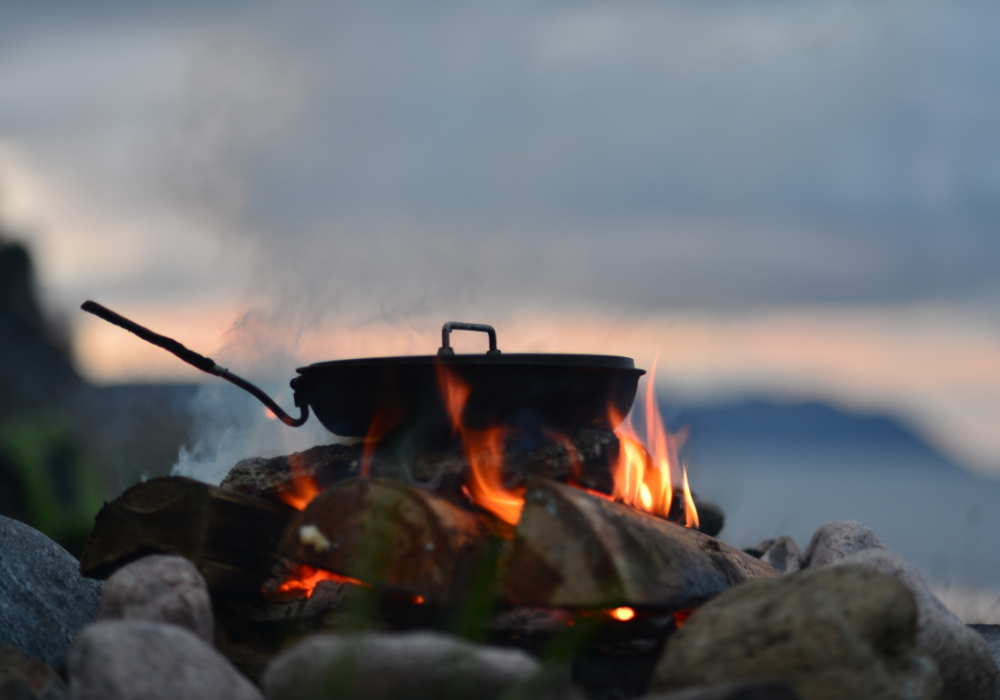 When you're deep in the wilderness, miles from civilization, your bivouac stove isn't just a luxury – it's a...Read more
 -
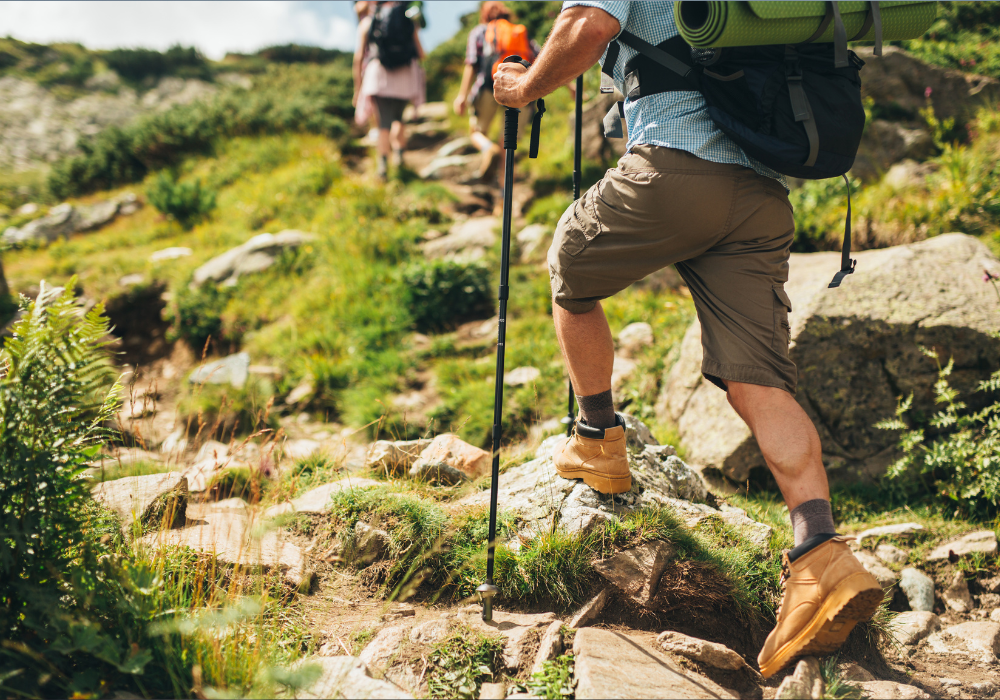 Dreaming of hitting the trails but unsure how to pick a hike that's just right for you? Planning a hiking itinerary...Read more
 -
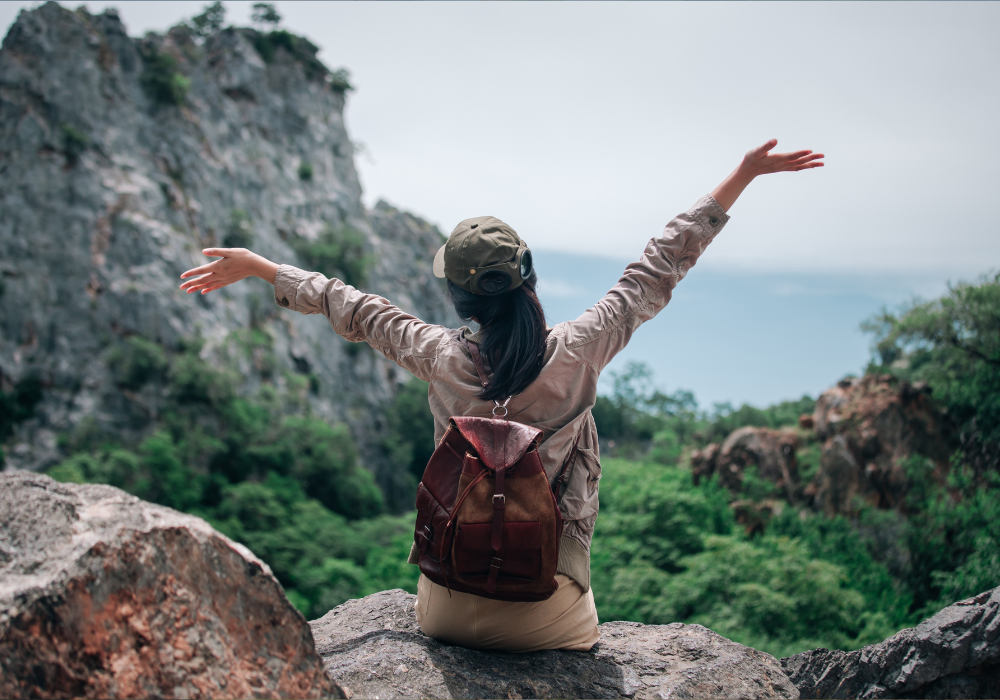 Hiking alone offers an unparalleled sense of freedom, introspection, and connection with nature. There's a unique joy...Read more
 -
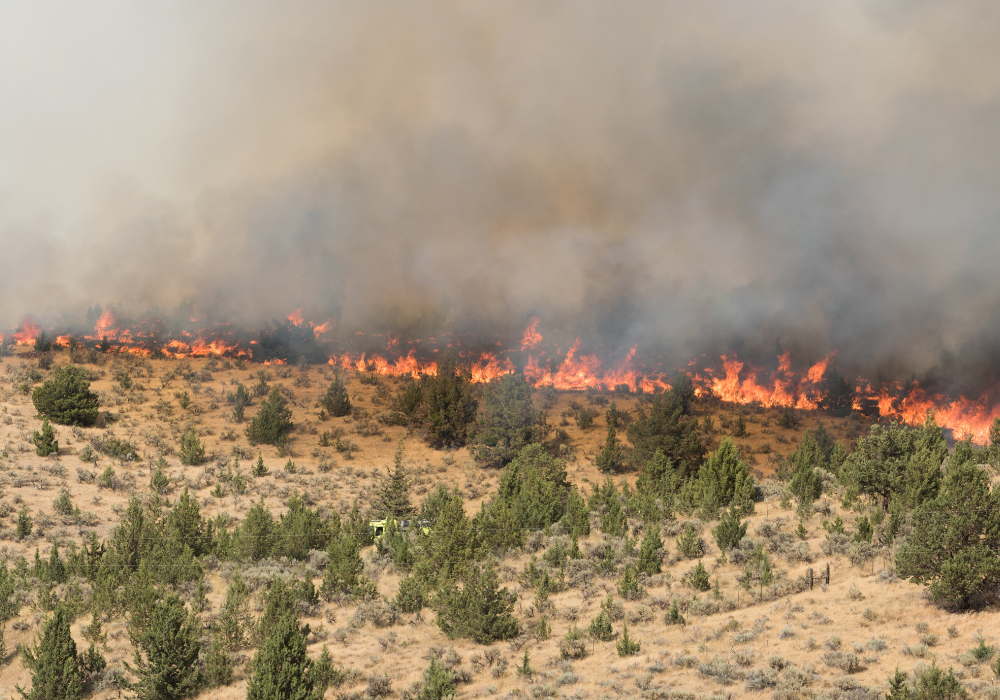 Hiking offers a unique chance to immerse ourselves in nature, and sometimes that means unforgettable encounters with...Read more
 -
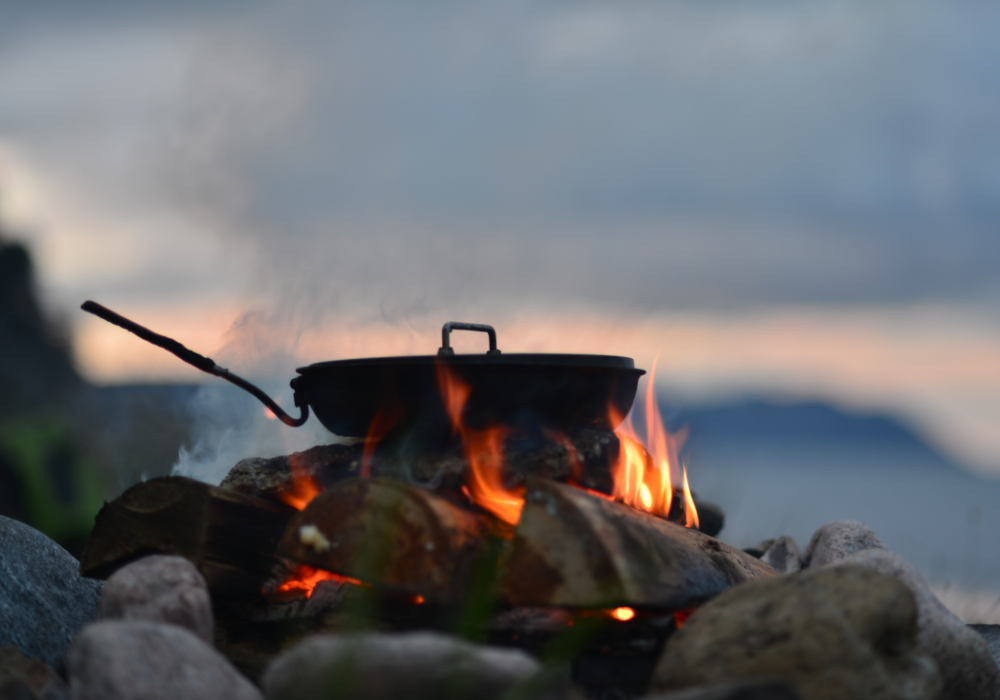 You set out under clear skies, but suddenly the wind picks up, dark clouds gather, or a sunny day turns into a...Read more


Leave a comment