

The idea of sleeping out under the open sky, far from established campgrounds, is incredibly alluring. A bivouac...
Latest posts
-
 First Bivouac Adventure: Ideal Destinations in France for BeginnersRead more
 -
 Choosing Your Basecamp: Finding a Campsite Near Hiking TrailsRead more
For many outdoor enthusiasts, a camping trip isn't complete without the opportunity to hit the trails. The perfect...
-
 France's Must-Hike Trails: Unforgettable Adventures Across the HexagonRead more
France, with its incredibly diverse landscapes, boasts a hiking paradise for every level of adventurer. From rugged...
-
 Bivouac Safety for Kids: Ensuring a Secure Night Under the StarsRead more
Spending a night under the stars on a bivouac is an incredible adventure, offering unique memories for families. The...
-
 Wild Fun: Games and Activities to Entertain Youngsters in NatureRead more
Hiking with kids is a fantastic way to introduce them to the wonders of the natural world, but let's be honest: "Are...
-
 The Family Trek: Motivating Kids to Hike Long DistancesRead more
Getting kids excited about hiking long distances can sometimes feel like a trek in itself. While the promise of...
-
 Mastering Your FireMaple Stove: Efficient Cooking in the OutdoorsRead more
FireMaple stoves have gained a reputation among outdoor enthusiasts for their impressive balance of performance,...
-
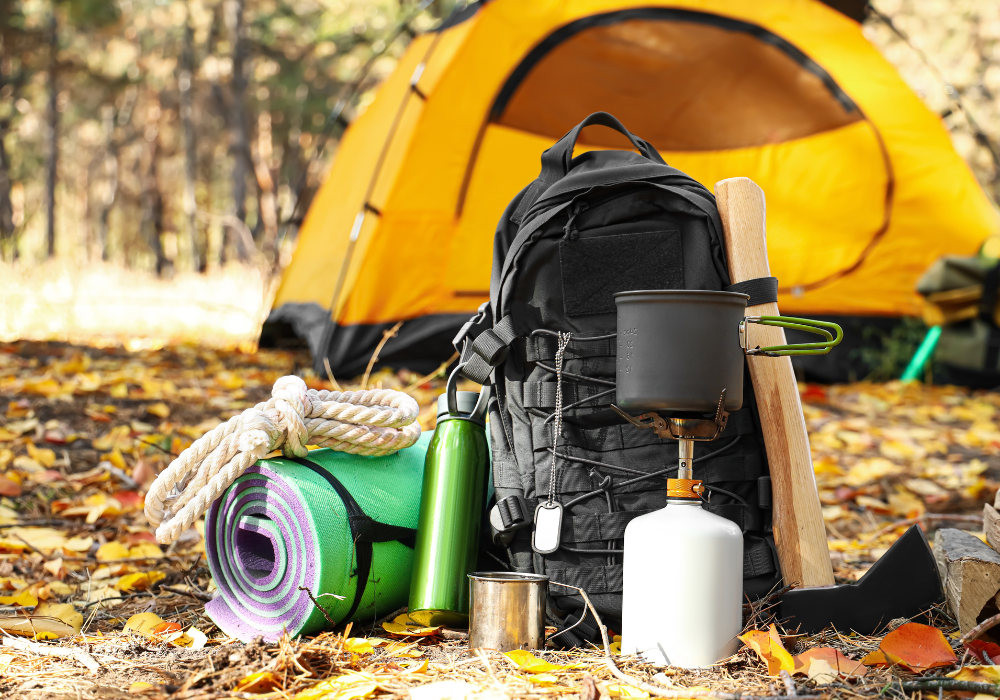 Essential Kitchen Gear: Indispensable Utensils for Hiking & CampingRead more
When packing for a hike or camping trip, every ounce counts, and every item needs to earn its place. While it's...
-
 Keeping Food Fresh: Mastering Refrigeration-Free Food Storage for the OutdoorsRead more
Heading out into the wilderness often means leaving modern conveniences behind, and that includes your refrigerator....
-
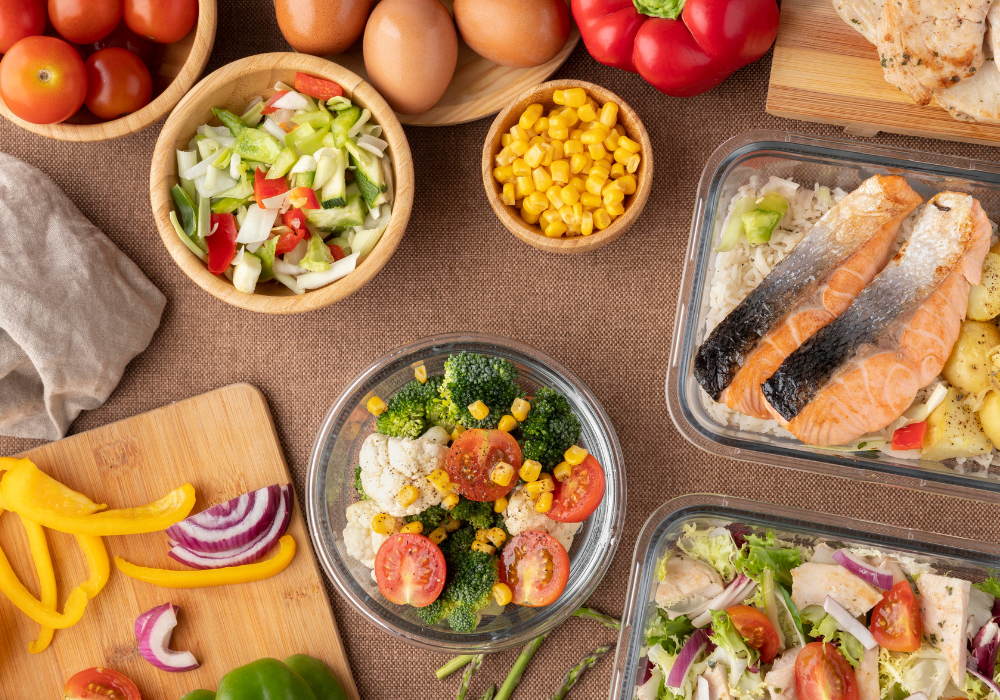 Simple & Nutritious Camping Recipes for Your Next AdventureRead more
After a day of hiking, exploring, or simply relaxing in nature, there’s nothing quite like a delicious, hot meal...


Blog categories
Search in blog
Archived posts
The Ultimate Bivouac Burner: Finding Your Most Efficient Camp Stove
Canister Stoves: Lightweight & Convenient
Canister stoves, like those fueled by Isobutane-Propane blends, are incredibly popular for good reason. They're typically lightweight, compact, and incredibly easy to use. Just screw the stove onto the canister, ignite, and you're cooking.
-
Pros: Quick boil times (especially in mild conditions), clean burning, no priming required, easy flame control.
-
Cons: Canisters can be difficult to dispose of in the backcountry, performance degrades in very cold temperatures or at high altitudes as pressure drops, and you can't easily tell how much fuel is left in a partially used canister.
-
Efficiency: Highly efficient in ideal conditions. The pre-pressurized fuel means consistent heat until the canister is nearly empty. To maximize efficiency, choose stoves with integrated heat exchangers or wind shields.
Liquid Fuel Stoves: All-Weather Workhorses
Liquid fuel stoves (burning white gas, kerosene, or even unleaded gasoline) are the traditional choice for serious adventurers heading into extreme conditions. Brands like MSR and Optimus have long been staples in this category.
-
Pros: Excellent performance in cold weather and at high altitudes, ability to use a wide variety of fuels (making them versatile for international travel), and you can easily see how much fuel you have. Fuel is also typically less expensive per ounce than canister fuel.
-
Cons: Require priming (which can be a bit fiddly), heavier than most canister stoves, can be more complex to maintain, and the fuel can spill and smell if not handled carefully.
-
Efficiency: While they require a bit more effort to get going, their consistent, powerful flame makes them highly efficient in challenging environments where other stoves might falter. The ability to carry bulk fuel also contributes to their long-term efficiency on extended trips.
Alcohol Stoves: Ultralight & Simple
For the truly minimalist backpacker, alcohol stoves are often the go-to. These are simple, often homemade, burners that use denatured alcohol or similar liquid fuels.
-
Pros: Extremely lightweight, silent operation, very few moving parts (meaning high reliability), and fuel is widely available (though energy density is lower than other fuels).
-
Cons: Slowest boil times of the main types, lower heat output, can be less efficient in windy conditions (requiring a good windscreen), and fuel spills are a fire hazard.
-
Efficiency: Less efficient in terms of heat output per gram of fuel compared to canister or liquid fuel stoves, meaning you'll need to carry more fuel for the same amount of cooking. Their efficiency comes from their minimal weight and simplicity, which can be a huge advantage on fast-and-light trips.
Solid Fuel Stoves (Esbit Tabs): Emergency Backup
Solid fuel tablets, like Esbit, offer a very compact and lightweight option, often used for emergency kits or for boiling small amounts of water.
-
Pros: Incredibly lightweight and compact, easy to use.
-
Cons: Very slow boil times, leaves a residue on pots, produces an odor, and fuel is expensive per use.
-
Efficiency: Not efficient for extended cooking. Best suited for single-serving hot drinks or rehydrating small meals in a pinch.
Hybrid and Wood-Gas Stoves: Niche but Nifty
Some newer stoves blend technologies or utilize natural fuel sources. Hybrid stoves can often run on both canister and liquid fuels, offering ultimate versatility. Wood-gas stoves burn twigs, pinecones, and other biomass, creating a more efficient burn than an open fire.
-
Pros (Wood-Gas): No need to carry fuel, sustainable.
-
Cons (Wood-Gas): Smoky, requires foraging for fuel, can be challenging to use in wet conditions or above the tree line.
-
Efficiency: Can be surprisingly efficient if you have abundant, dry fuel, but heavily reliant on environment.
Maximizing Efficiency, Regardless of Stove Type
No matter which stove you choose, a few tips will help you get the most out of your fuel:
-
Use a Windscreen: This is perhaps the single most important factor. Wind dramatically increases boil times and fuel consumption.
-
Use a Pot with a Lid: Traps heat and speeds up cooking.
-
Opt for Wider, Shorter Pots: These have a larger surface area for heat transfer.
-
Pre-Soak Dehydrated Food: Reduces cooking time.
-
Cook in Sheltered Areas: Even a large rock or natural depression can offer protection from the elements.
-
Insulate Your Cook Pot: Some pot cozies or wraps can keep food warm and reduce the need for reheating.
The Verdict: It Depends!
So, which stove is the most efficient?
-
For casual summer backpacking and general versatility, a canister stove often offers the best balance of convenience, speed, and efficiency.
-
For cold-weather expeditions, high-altitude treks, or international travel where fuel availability varies, a liquid fuel stove is the undisputed champion of efficiency and reliability.
-
For ultralight minimalist trips where every gram counts and speed isn't the primary concern, an alcohol stove can be surprisingly efficient due to its lack of weight.
Ultimately, the "most efficient" stove isn't a one-size-fits-all answer. It's the stove that best matches your specific trip, conditions, and personal priorities. Consider your typical adventures, the environments you'll encounter, and your comfort level with different systems. Happy cooking on your next bivouac!
Posted in:
Default category
Related posts
-
 Dreaming of hitting the trails but unsure how to pick a hike that's just right for you? Planning a hiking itinerary...Read more
 -
 Hiking alone offers an unparalleled sense of freedom, introspection, and connection with nature. There's a unique joy...Read more
 -
 Embarking on a multi-day trek is an incredible experience, but proper water and food management is paramount for...Read more
 -
 Hiking offers a unique chance to immerse ourselves in nature, and sometimes that means unforgettable encounters with...Read more
 -
 You set out under clear skies, but suddenly the wind picks up, dark clouds gather, or a sunny day turns into a...Read more


Leave a comment