

The idea of sleeping out under the open sky, far from established campgrounds, is incredibly alluring. A bivouac...
Latest posts
-
 First Bivouac Adventure: Ideal Destinations in France for BeginnersRead more
 -
 Choosing Your Basecamp: Finding a Campsite Near Hiking TrailsRead more
For many outdoor enthusiasts, a camping trip isn't complete without the opportunity to hit the trails. The perfect...
-
 France's Must-Hike Trails: Unforgettable Adventures Across the HexagonRead more
France, with its incredibly diverse landscapes, boasts a hiking paradise for every level of adventurer. From rugged...
-
 Bivouac Safety for Kids: Ensuring a Secure Night Under the StarsRead more
Spending a night under the stars on a bivouac is an incredible adventure, offering unique memories for families. The...
-
 Wild Fun: Games and Activities to Entertain Youngsters in NatureRead more
Hiking with kids is a fantastic way to introduce them to the wonders of the natural world, but let's be honest: "Are...
-
 The Family Trek: Motivating Kids to Hike Long DistancesRead more
Getting kids excited about hiking long distances can sometimes feel like a trek in itself. While the promise of...
-
 Mastering Your FireMaple Stove: Efficient Cooking in the OutdoorsRead more
FireMaple stoves have gained a reputation among outdoor enthusiasts for their impressive balance of performance,...
-
 Essential Kitchen Gear: Indispensable Utensils for Hiking & CampingRead more
When packing for a hike or camping trip, every ounce counts, and every item needs to earn its place. While it's...
-
 Keeping Food Fresh: Mastering Refrigeration-Free Food Storage for the OutdoorsRead more
Heading out into the wilderness often means leaving modern conveniences behind, and that includes your refrigerator....
-
 Simple & Nutritious Camping Recipes for Your Next AdventureRead more
After a day of hiking, exploring, or simply relaxing in nature, there’s nothing quite like a delicious, hot meal...


Blog categories
Search in blog
Archived posts
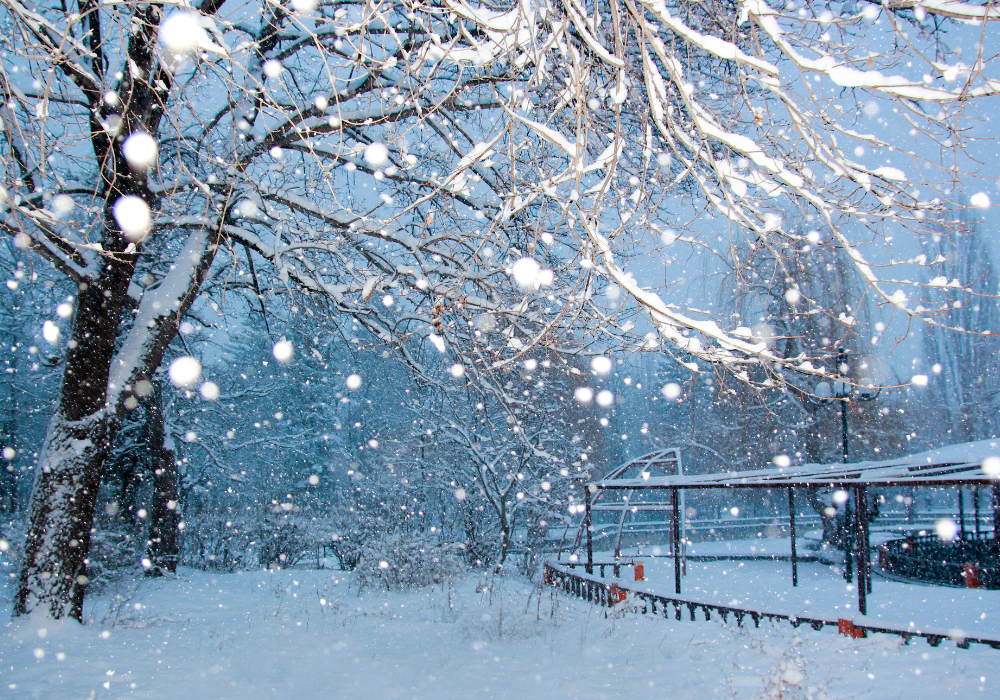
Keeping Food Fresh: Mastering Refrigeration-Free Food Storage for the Outdoors
Understanding the Enemy: Spoilage Factors
Food spoils primarily due to bacteria, mold, and enzymatic reactions, which are accelerated by warmth, moisture, and oxygen. Your goal in refrigeration-free storage is to minimize these factors.
-
Temperature: Keep food as cool as possible.
-
Moisture: Dry environments inhibit bacterial growth.
-
Oxygen: Limiting oxygen (e.g., vacuum sealing) can extend shelf life.
-
Light: Some foods degrade faster when exposed to light.
Top Strategies for Refrigeration-Free Food Storage
1. Choose the Right Foods
Start with ingredients that are naturally shelf-stable or have a long shelf life without refrigeration.
-
Dehydrated/Freeze-Dried Meals: These are top-tier for lightweight, long-term storage. They remove moisture, effectively pausing spoilage. Think of backpacking meals, dried fruits, vegetables, and jerky.
-
Canned Goods: While heavy, canned foods (tuna, chicken, beans, vegetables, fruit) are excellent for durability and shelf life.
-
Hard Cheeses: Aged, hard cheeses like Parmesan, cheddar, or Gruyère last much longer than soft cheeses. Wrap them in cheesecloth or parchment paper rather than plastic to allow them to breathe and prevent mold.
-
Smoked/Cured Meats: Items like jerky, pepperoni, and hard salami are designed for non-refrigerated storage due to their low moisture and high salt content.
-
Root Vegetables & Hardy Produce: Potatoes, sweet potatoes, onions, garlic, carrots, and hardier apples can last for days or even a week if kept cool, dark, and dry. Avoid soft fruits and leafy greens for longer trips.
-
Dried Grains & Legumes: Rice, pasta, quinoa, lentils, and couscous are lightweight, calorie-dense, and last indefinitely.
-
Powdered Goods: Powdered milk, eggs, hummus, or peanut butter offer versatile, long-lasting options.
2. Proper Packaging is Crucial
How you pack your food directly impacts its longevity and protection from external elements (moisture, critters).
-
Airtight & Waterproof: Use sturdy zip-top freezer bags, vacuum-seal bags, or hard-sided containers to protect food from moisture and odors, which can attract animals.
-
Minimize Air: Squeeze out as much air as possible from bags before sealing. Vacuum sealing is ideal for items like cheese, cured meats, and dry mixes.
-
Repackage: Get rid of bulky original packaging. Transfer contents into lighter, more compact, and more durable bags.
3. Location, Location, Location
Where you store your food matters.
-
Coolest Spot: In camp, find the coolest, shadiest spot. This might be under a dense bush, buried a few inches in cool soil (if allowed and away from water sources), or even suspended in a cool stream (if in a waterproof, critter-proof container).
-
Bear/Animal Protection: Always store food securely to prevent animals from getting into it. Use bear canisters, bear bags (hung properly), or storage bags away from your tent. This isn't just for animals; it also protects your food from being stolen or damaged.
4. Planned Consumption
Organize your meals to eat perishable items first.
-
Eat Fresh First: Consume fresh produce, softer cheeses, or any meats that require a cooler within the first 1-2 days.
-
Dehydrated for Later: Save your dehydrated and shelf-stable meals for the latter half of your trip.
-
Meal Planning: Create a detailed meal plan that sequences your food, ensuring nothing goes to waste or spoils prematurely.
5. Keep it Dry
Moisture is the enemy of non-refrigerated storage.
-
Waterproof Sacks: Store all food in waterproof dry sacks or double-bagged to prevent water from seeping in during rain or river crossings.
-
Desiccants: For sensitive dry goods, a small food-safe desiccant packet can help absorb residual moisture.
Tips for Specific Food Categories
-
Fats and Oils: Small, sturdy plastic bottles are great for olive oil, which adds calories and flavor. Coconut oil is solid at room temperature and works well for cooking.
-
Bread/Tortillas: Opt for tortillas or harder flatbreads over soft bread. They are less prone to crushing or molding.
-
Coffee/Tea: Instant coffee or tea bags are lightweight. Pre-mix powdered creamer and sugar with your instant coffee for an all-in-one packet.
-
Spices: Carry small amounts of your favorite spices in mini zip-top bags or tiny containers to elevate your meals.
By adopting these strategies, you can significantly expand your culinary horizons on refrigeration-free adventures. Enjoying diverse, fresh-tasting meals in the backcountry isn't just possible—it becomes part of the adventure!
Posted in:
Default category
Related posts
-
 When you're deep in the wilderness, miles from civilization, your bivouac stove isn't just a luxury – it's a...Read more
 -
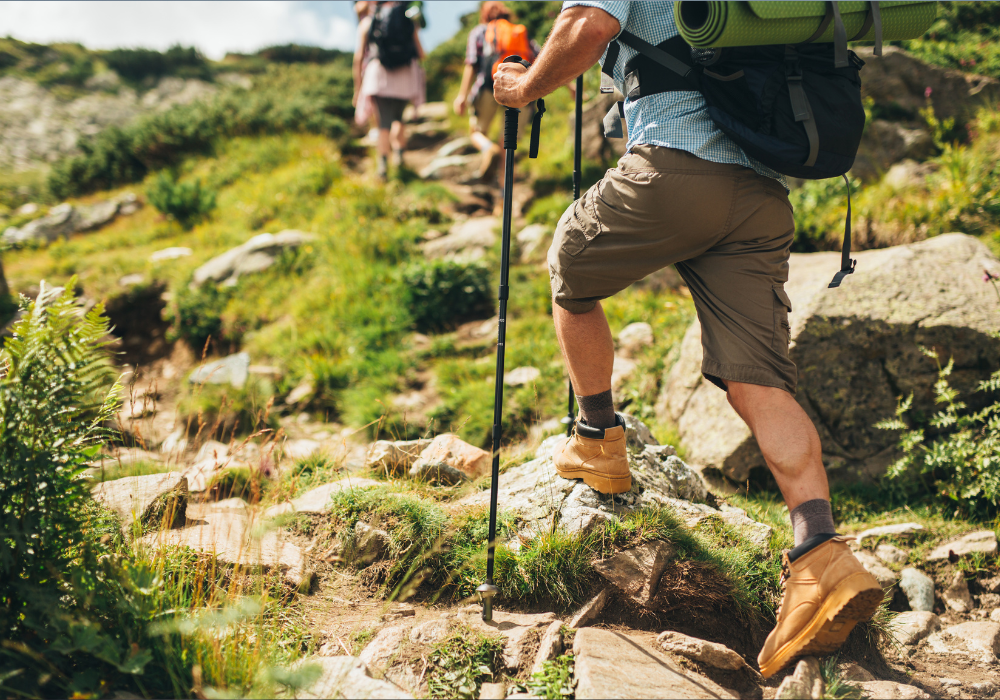 Dreaming of hitting the trails but unsure how to pick a hike that's just right for you? Planning a hiking itinerary...Read more
 -
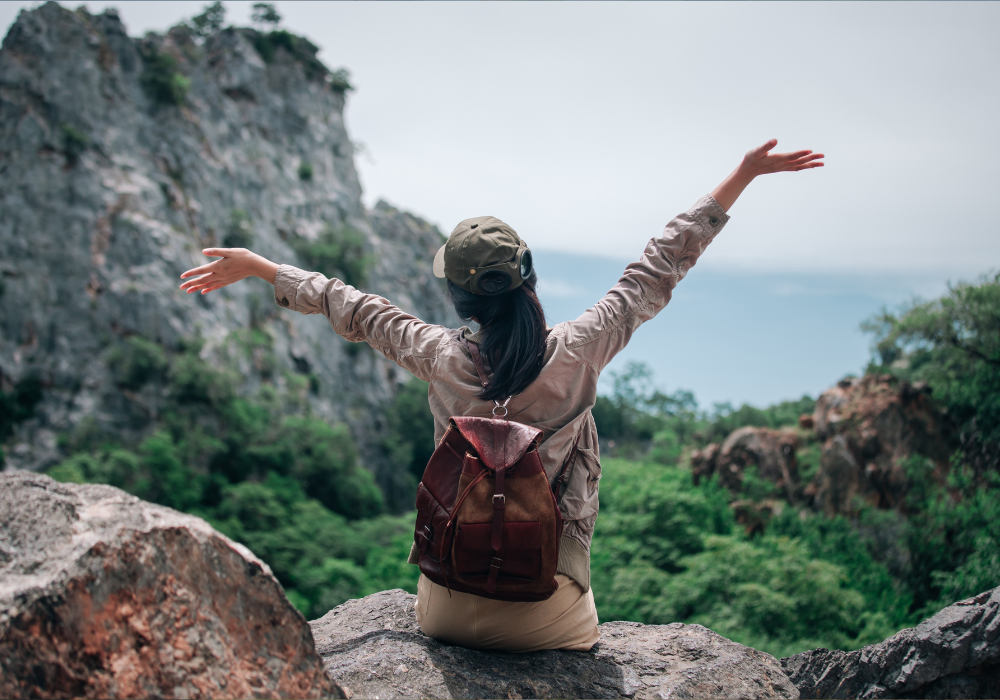 Hiking alone offers an unparalleled sense of freedom, introspection, and connection with nature. There's a unique joy...Read more
 -
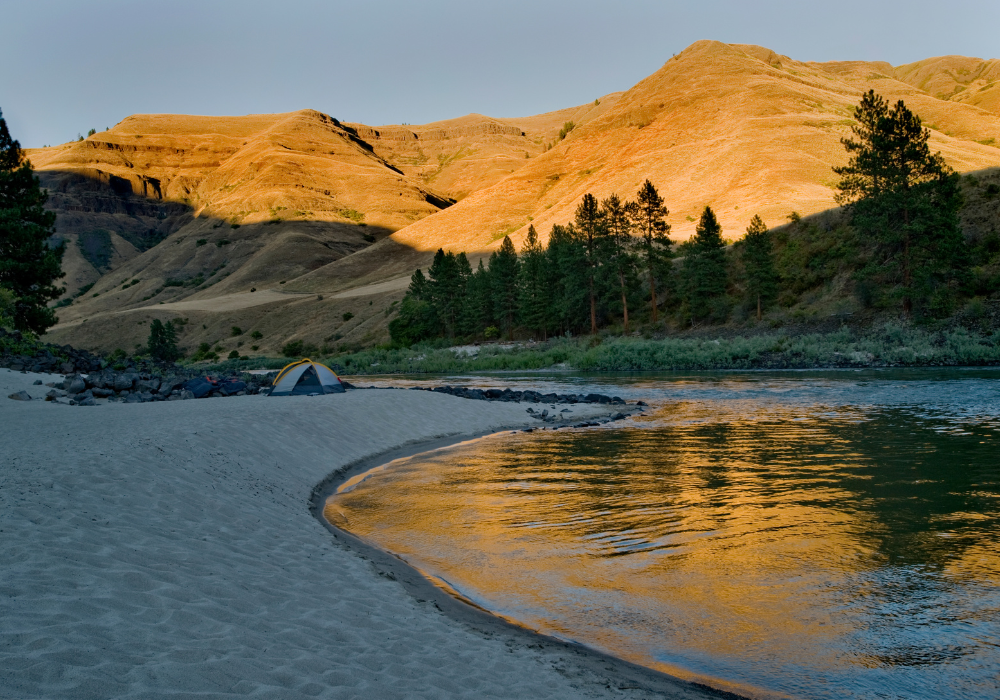 Embarking on a multi-day trek is an incredible experience, but proper water and food management is paramount for...Read more
 -
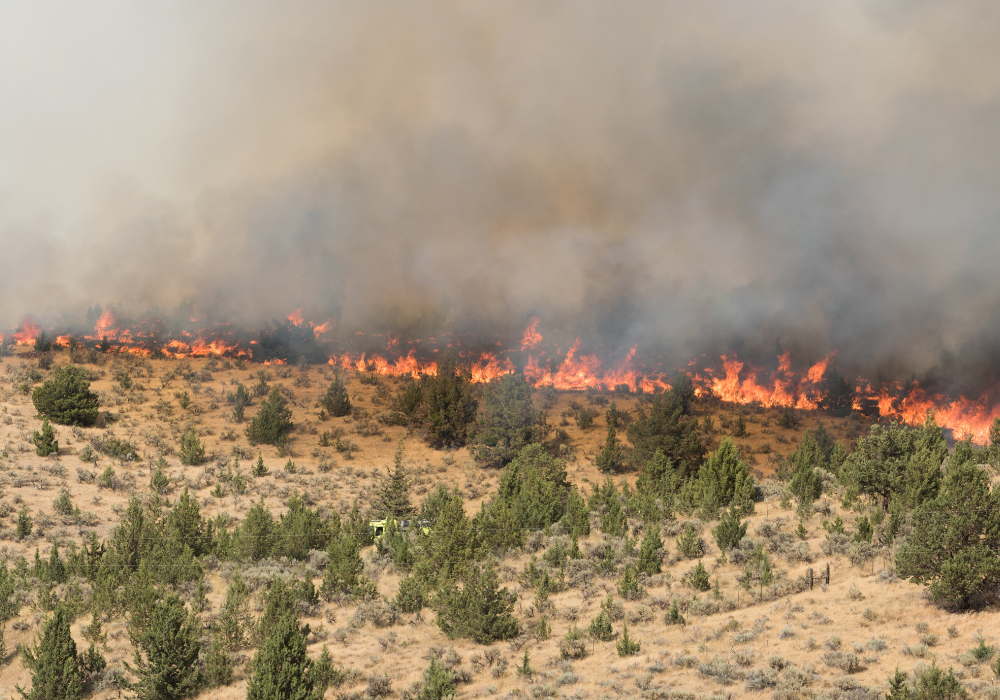 Hiking offers a unique chance to immerse ourselves in nature, and sometimes that means unforgettable encounters with...Read more


Leave a comment