

The idea of sleeping out under the open sky, far from established campgrounds, is incredibly alluring. A bivouac...
Latest posts
-
 First Bivouac Adventure: Ideal Destinations in France for BeginnersRead more
 -
 Choosing Your Basecamp: Finding a Campsite Near Hiking TrailsRead more
For many outdoor enthusiasts, a camping trip isn't complete without the opportunity to hit the trails. The perfect...
-
 France's Must-Hike Trails: Unforgettable Adventures Across the HexagonRead more
France, with its incredibly diverse landscapes, boasts a hiking paradise for every level of adventurer. From rugged...
-
 Bivouac Safety for Kids: Ensuring a Secure Night Under the StarsRead more
Spending a night under the stars on a bivouac is an incredible adventure, offering unique memories for families. The...
-
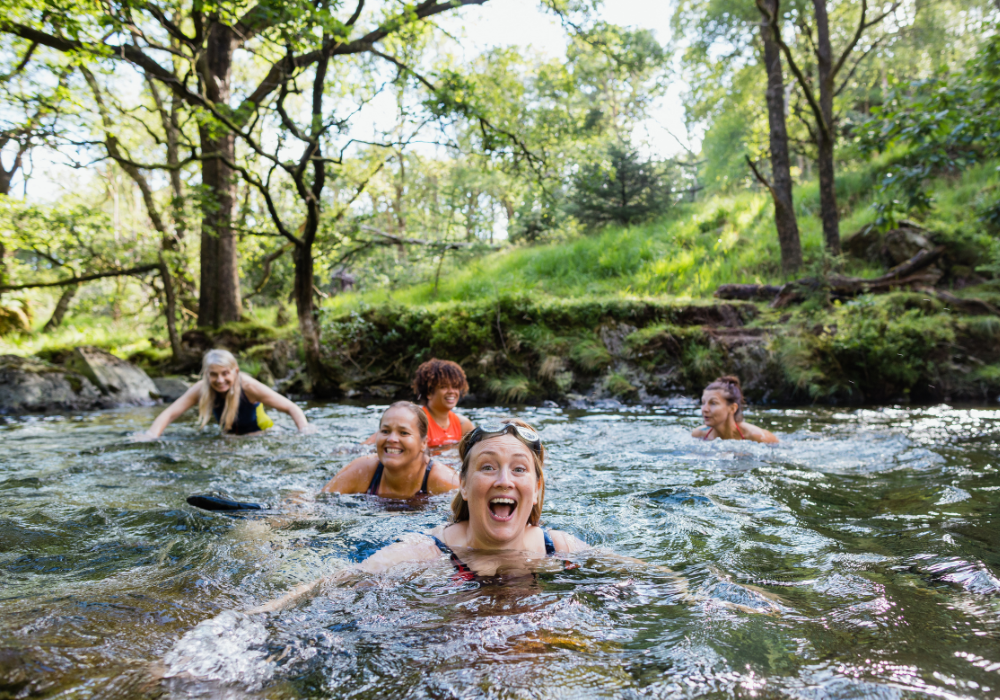 Wild Fun: Games and Activities to Entertain Youngsters in NatureRead more
Hiking with kids is a fantastic way to introduce them to the wonders of the natural world, but let's be honest: "Are...
-
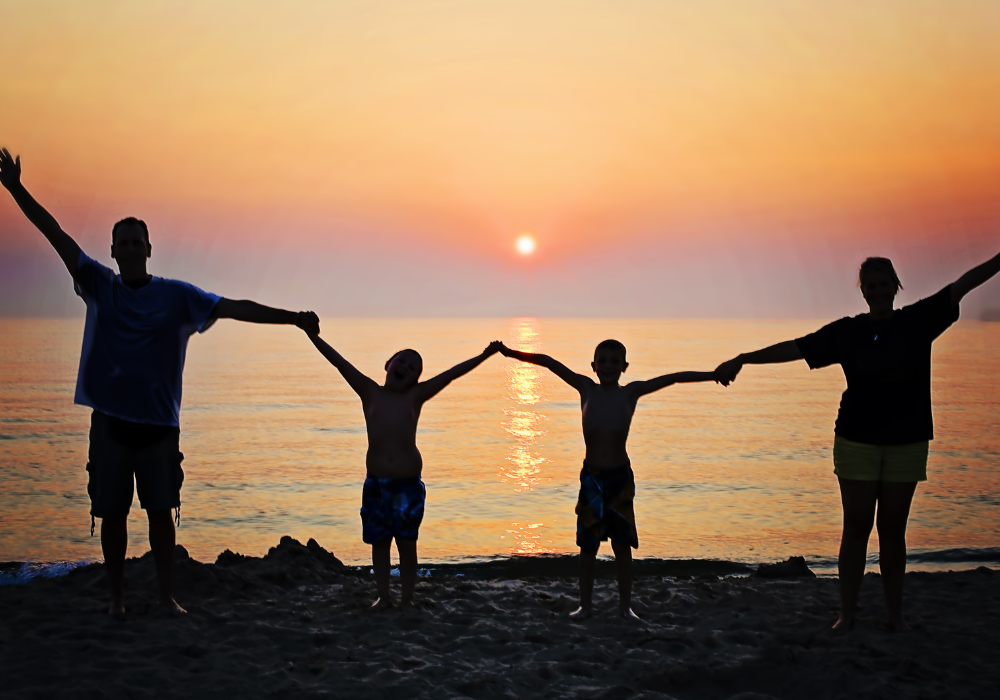 The Family Trek: Motivating Kids to Hike Long DistancesRead more
Getting kids excited about hiking long distances can sometimes feel like a trek in itself. While the promise of...
-
 Mastering Your FireMaple Stove: Efficient Cooking in the OutdoorsRead more
FireMaple stoves have gained a reputation among outdoor enthusiasts for their impressive balance of performance,...
-
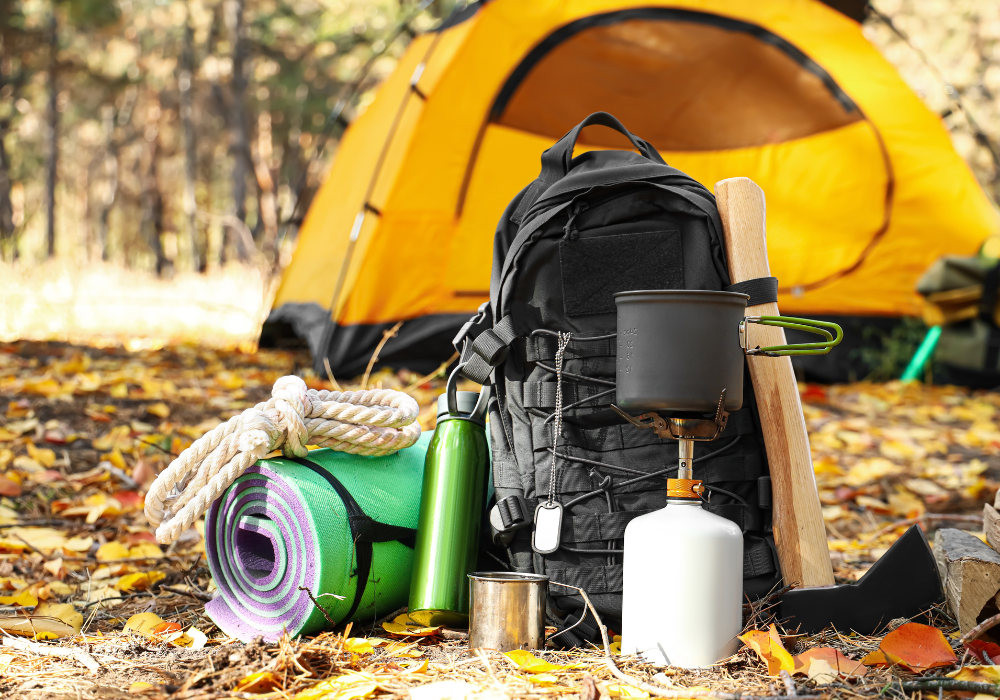 Essential Kitchen Gear: Indispensable Utensils for Hiking & CampingRead more
When packing for a hike or camping trip, every ounce counts, and every item needs to earn its place. While it's...
-
 Keeping Food Fresh: Mastering Refrigeration-Free Food Storage for the OutdoorsRead more
Heading out into the wilderness often means leaving modern conveniences behind, and that includes your refrigerator....
-
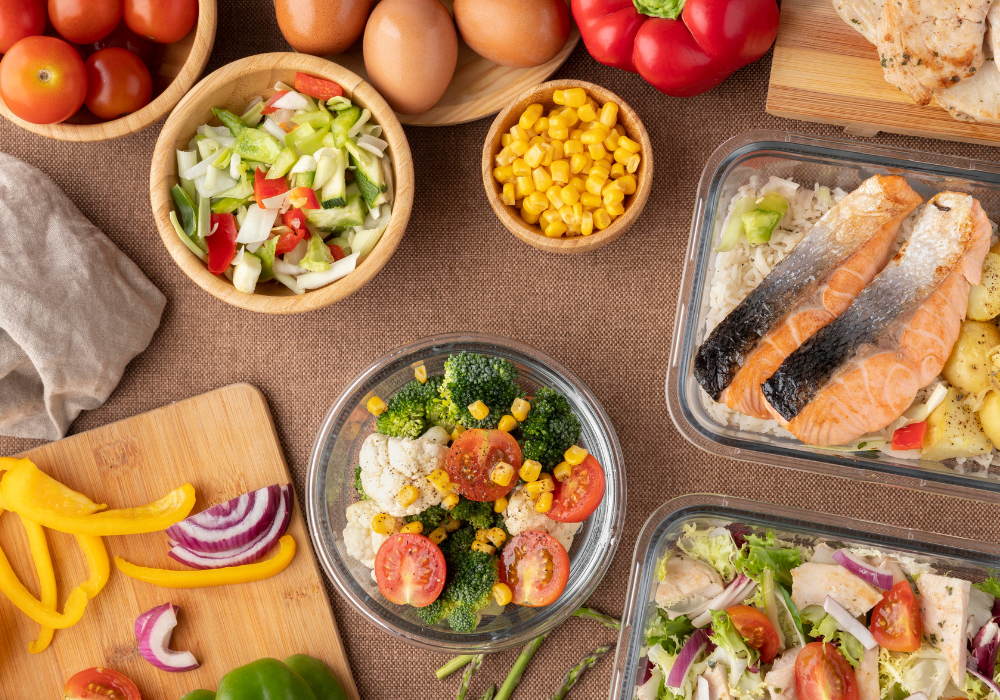 Simple & Nutritious Camping Recipes for Your Next AdventureRead more
After a day of hiking, exploring, or simply relaxing in nature, there’s nothing quite like a delicious, hot meal...


Blog categories
Search in blog
Archived posts
First Bivouac Adventure: Ideal Destinations in France for Beginners
Key Considerations for a First Bivouac
Before looking at specific destinations, keep these factors in mind for a successful beginner bivouac:
-
Accessibility: Choose areas that are relatively easy to reach, with clear trailheads and manageable approach hikes.
-
Clear Regulations: Opt for places where bivouacking rules are explicit and easy to understand (e.g., National Parks with designated zones).
-
Manageable Terrain: Avoid extremely steep, rocky, or exposed terrain. Look for relatively flat, clear spots to pitch your shelter.
-
Reliable Water Sources: Knowing where you can filter water is crucial.
-
Weather Stability: Pick a season and location known for generally stable, predictable weather (e.g., summer in the mountains, late spring/early autumn elsewhere).
-
Popularity Level: A place that's not too remote can be reassuring for a first-timer, offering a sense of proximity to others if needed, but still providing solitude.
Ideal Destinations in France for a First Bivouac Experience
Based on the above criteria, here are some excellent starting points for your first bivouac in France:
1. Vanoise National Park (Savoie)
-
Why it's ideal: Vanoise is one of France's oldest National Parks with well-defined bivouac rules within its core zone: bivouac is permitted from 7 PM to 8 AM, at least an hour's walk from any road access point.
-
Terrain: Offers a range of trails, from gentler valleys to higher alpine pastures. You can find accessible high-altitude spots near refuges that are often suitable for a first night out.
-
Water: Abundant water sources from streams and snowmelt (requiring filtration).
-
Experience: Stunning alpine scenery with glaciers, marmots, and ibex. The presence of numerous refuges provides a safety net or a comfortable meal stop before settling down for the night.
2. Écrins National Park (Hautes-Alpes / Isère)
-
Why it's ideal: Similar to Vanoise, Écrins also allows regulated bivouacking within its core zone under specific conditions (dusk to dawn, away from roads).
-
Terrain: While the park contains some of the highest peaks, there are numerous accessible valleys and mid-altitude plateaus that offer excellent, relatively flat bivouac spots.
-
Water: Generally good water access from mountain streams.
-
Experience: Wild and majestic landscapes, less "manicured" than some other parks, offering a true sense of wilderness but with clear rules.
3. Regional Nature Parks (Parcs Naturels Régionaux - PNRs)
While PNRs are generally less strict than National Parks, their rules on bivouacking can vary. However, some PNRs might have designated bivouac areas or more relaxed rules than full prohibition. It's crucial to check the specific PNR's regulations.
-
Example: Parc Naturel Régional des Volcans d'Auvergne: Some areas here, particularly around certain lakes or less frequented trails, might offer more permissive conditions. The terrain is often rolling, making it easier to find flat spots.
-
Why they're ideal (if rules allow): They offer beautiful natural environments that are often less challenging in terms of terrain and weather than high alpine areas, making them excellent for beginners.
4. Sections of GR® Routes (Long-Distance Footpaths)
Many sections of France's famous GR® (Grande Randonnée) trails are excellent for first-time bivouacs, especially outside of highly protected zones.
-
Why they're ideal: These trails are well-marked, making navigation easier. They often pass through varied terrain, including forests and open fields, where finding a discreet, flat spot for the night is feasible.
-
Water: Water sources might be less frequent than in high mountains, so careful planning for water (carrying enough or filtering from identified sources) is essential.
-
Examples: Certain sections of the GR®34 (Customs Officers' Path in Brittany), if away from urbanized coastal areas, or parts of the GR®65 (Chemin de Saint-Jacques) away from towns, could be suitable, provided local municipal rules are checked.
Before Your First Night Out: Essential Tips
-
Test Your Gear: Practice setting up your tent/tarp at home before your trip. Know your sleeping bag's comfort rating.
-
Pack Light, But Smart: Bring the essentials: appropriate layers, warm sleeping bag, sleeping pad, small cooking stove, headlamp, comprehensive first-aid kit, and sufficient food/water/filtration.
-
Plan Your Spot: Identify potential bivouac locations on a map before you go. Aim to arrive at your spot about an hour before dusk.
-
Leave No Trace: This is paramount. Pack out all your trash (including food scraps and toilet paper). Bury human waste properly. Leave no sign you were there.
-
Tell Someone Your Plans: Always inform a trusted person of your exact route and expected return time.
-
Start in Good Weather: Pick a night with a clear, calm forecast. Avoid rain, strong winds, or extreme cold for your first time.
Your first bivouac is an unforgettable step into deeper outdoor experiences. By choosing a suitable location and preparing thoroughly, you'll set the stage for a safe, comfortable, and truly magical night under the French stars.
Posted in:
Default category
Related posts
-
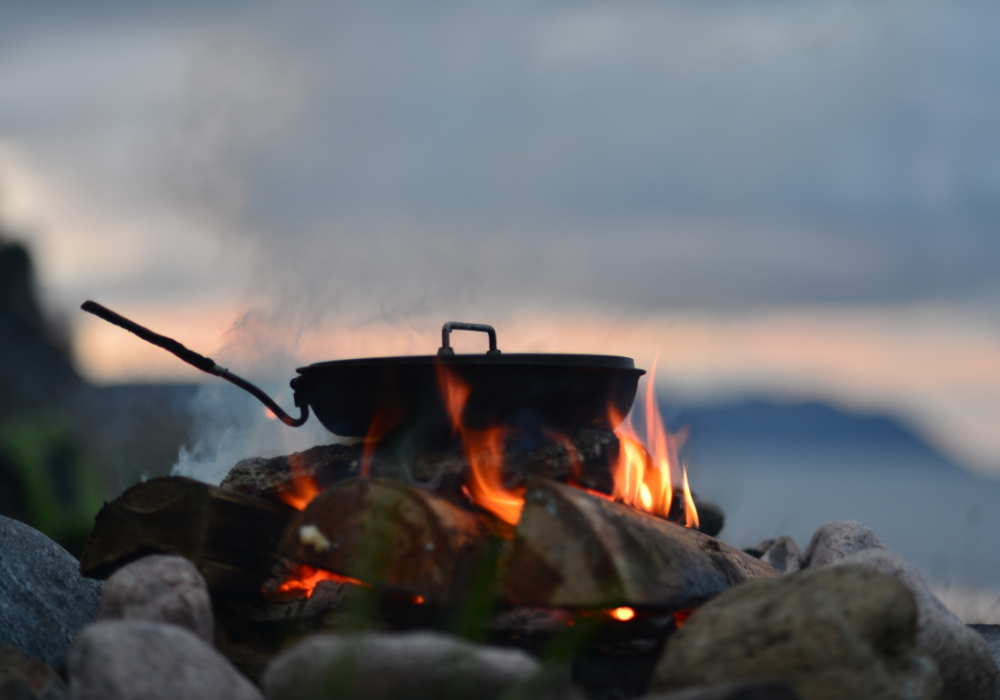 When you're deep in the wilderness, miles from civilization, your bivouac stove isn't just a luxury – it's a...Read more
 -
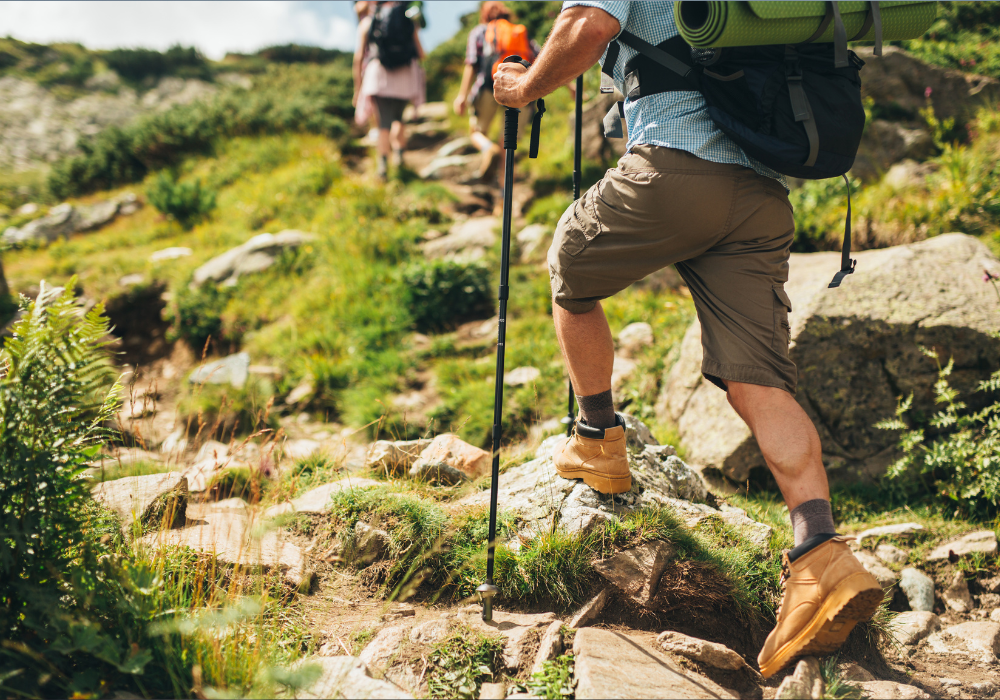 Dreaming of hitting the trails but unsure how to pick a hike that's just right for you? Planning a hiking itinerary...Read more
 -
 Hiking alone offers an unparalleled sense of freedom, introspection, and connection with nature. There's a unique joy...Read more
 -
 Embarking on a multi-day trek is an incredible experience, but proper water and food management is paramount for...Read more
 -
 Hiking offers a unique chance to immerse ourselves in nature, and sometimes that means unforgettable encounters with...Read more


Leave a comment