

The idea of sleeping out under the open sky, far from established campgrounds, is incredibly alluring. A bivouac...
Latest posts
-
 First Bivouac Adventure: Ideal Destinations in France for BeginnersRead more
 -
 Choosing Your Basecamp: Finding a Campsite Near Hiking TrailsRead more
For many outdoor enthusiasts, a camping trip isn't complete without the opportunity to hit the trails. The perfect...
-
 France's Must-Hike Trails: Unforgettable Adventures Across the HexagonRead more
France, with its incredibly diverse landscapes, boasts a hiking paradise for every level of adventurer. From rugged...
-
 Bivouac Safety for Kids: Ensuring a Secure Night Under the StarsRead more
Spending a night under the stars on a bivouac is an incredible adventure, offering unique memories for families. The...
-
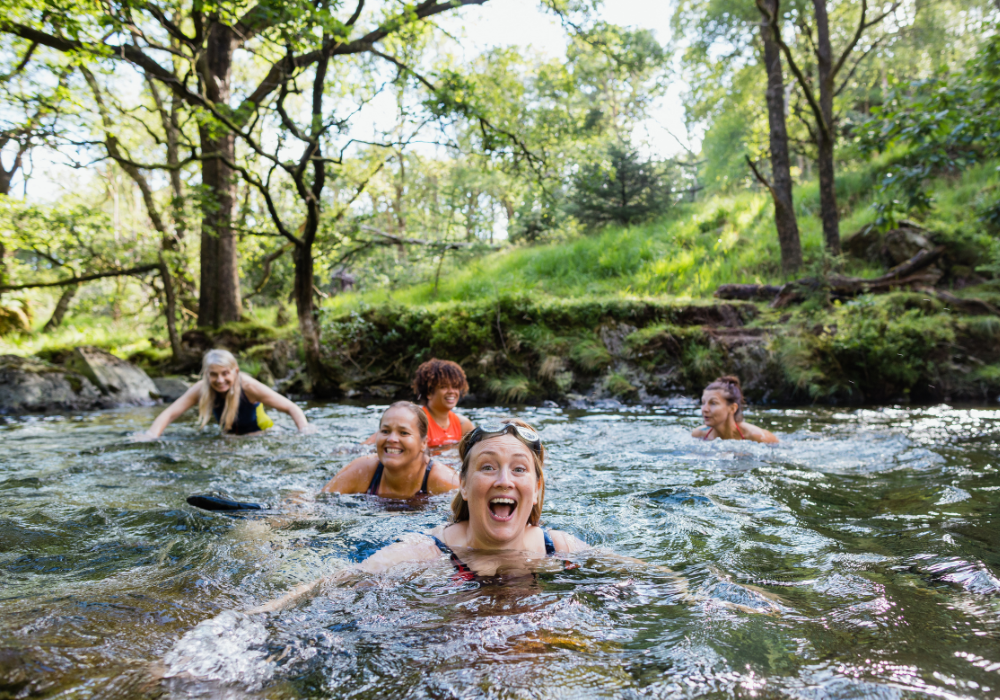 Wild Fun: Games and Activities to Entertain Youngsters in NatureRead more
Hiking with kids is a fantastic way to introduce them to the wonders of the natural world, but let's be honest: "Are...
-
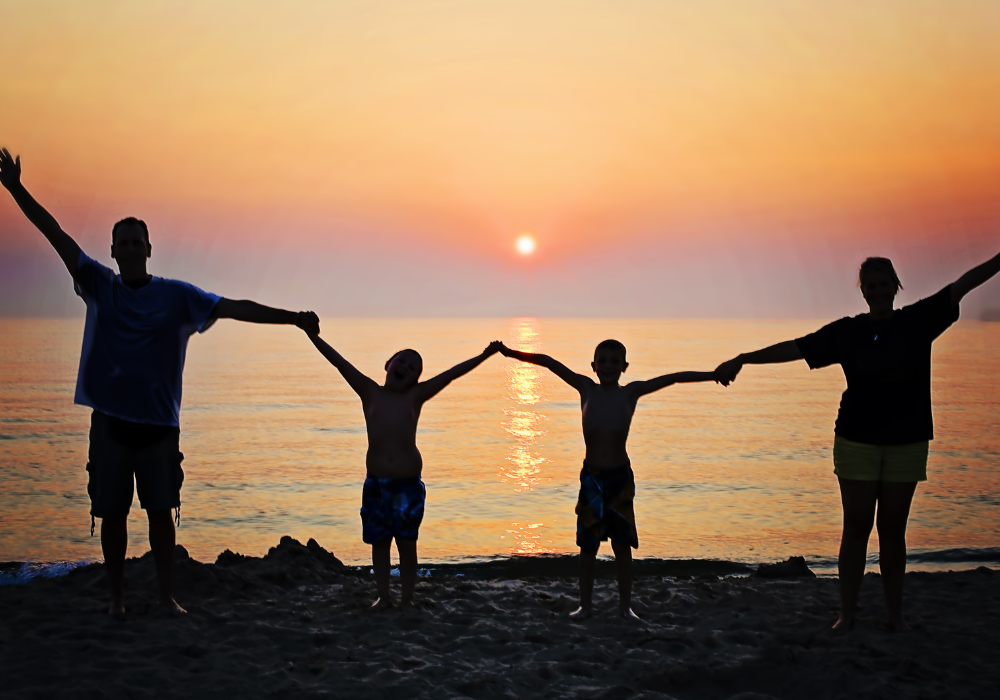 The Family Trek: Motivating Kids to Hike Long DistancesRead more
Getting kids excited about hiking long distances can sometimes feel like a trek in itself. While the promise of...
-
 Mastering Your FireMaple Stove: Efficient Cooking in the OutdoorsRead more
FireMaple stoves have gained a reputation among outdoor enthusiasts for their impressive balance of performance,...
-
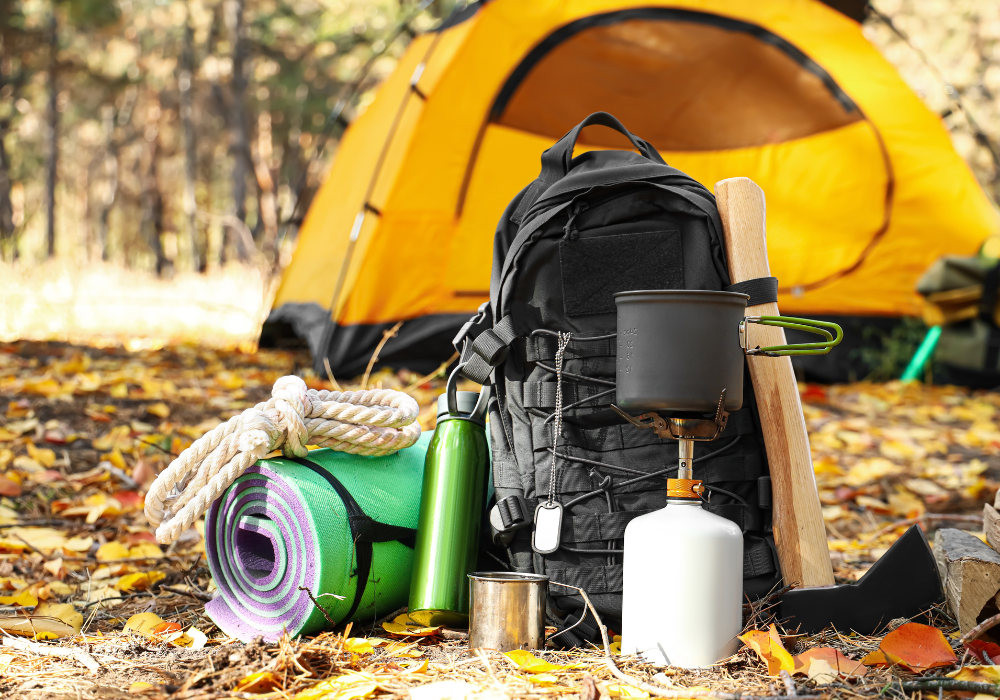 Essential Kitchen Gear: Indispensable Utensils for Hiking & CampingRead more
When packing for a hike or camping trip, every ounce counts, and every item needs to earn its place. While it's...
-
 Keeping Food Fresh: Mastering Refrigeration-Free Food Storage for the OutdoorsRead more
Heading out into the wilderness often means leaving modern conveniences behind, and that includes your refrigerator....
-
 Simple & Nutritious Camping Recipes for Your Next AdventureRead more
After a day of hiking, exploring, or simply relaxing in nature, there’s nothing quite like a delicious, hot meal...


Blog categories
Search in blog
Archived posts
Campfire Rules in France: Staying Legal and Safe
The General Principle: Prohibition or Strict Regulation
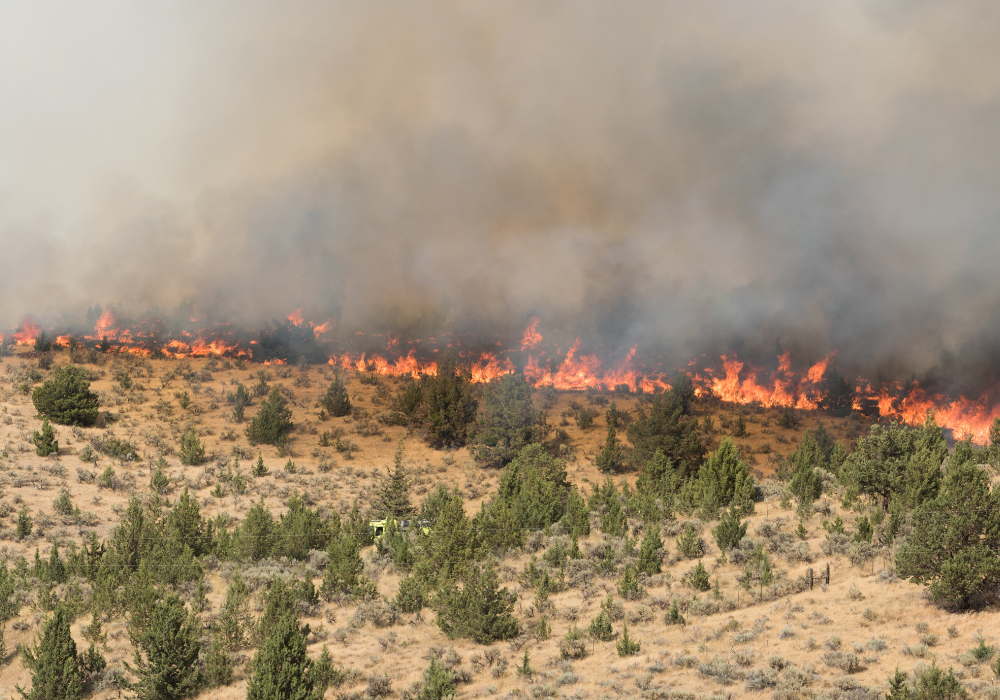
It's important to understand that the use of open fire outdoors, especially in or near forests, is mostly forbidden or highly regulated in France. The law's primary goal is to prevent fires, 90% of which are human-caused.
1. General Prohibitions
-
High-Risk Periods: Campfires are almost always forbidden during high-risk fire periods, typically from June to September in many regions (especially in the south of France and forested areas). These periods can be extended by prefectural decree in cases of exceptional drought.
-
Strong Wind: It is strictly forbidden to make a fire in strong winds (often > 40 km/h), regardless of the time of year. Wind is the main factor in the rapid spread of a fire.
-
Proximity to Forests: It is generally forbidden to make a fire within 200 meters of woods, forests, plantations, reforestations, moors, or scrubland. This "200-meter buffer zone" is crucial.
-
Private Land Without Authorization: You can never make a fire on private land without the express permission of the landowner.
-
National Parks and Nature Reserves: In the core zones of National Parks and Nature Reserves, the use of campfires is almost always strictly prohibited. Only designated areas (like communal fire pits at certain refuges) might be exceptions.
2. Where Fires Might Be Permitted (Under Conditions)
While rare for true "campfires" (burning wood on the ground), there are specific contexts where fire might be allowed:
-
Designated Fire Pits: Some managed campsites, bivouac areas near certain refuges, or picnic areas specifically provide designated, safe fire pits. Even then, you must adhere to local rules.
-
Private Property with Authorization: On your own private land, or with the landowner's explicit permission, you might be allowed to make a fire, but you must still comply with municipal and prefectural decrees (e.g., related to wind, drought, or proximity to forests).
-
Stoves: Using a camping stove (gas or alcohol) for cooking is generally allowed, as it is a contained flame and not an open fire. This is the recommended method for cooking in the backcountry.
Key Rules to Respect (If a Fire is Permitted)
If you are in one of the very rare situations where an open fire is explicitly allowed, you must follow these critical safety rules:
-
Choose Your Spot Carefully:
-
Find a flat, clear area away from tents, trees, bushes, dry grass, and overhanging branches.
-
Use an existing fire pit if available. If not, clear a circle of at least 3 meters (10 feet) down to bare mineral soil.
-
Never build a fire on peat or duff, as it can smolder underground and reignite later.
-
-
Size Matters: Keep the fire small and manageable. Only use dead, downed wood found on the ground. Never cut live trees.
-
Water Source and Tools:
-
Have a bucket of water, a shovel, or a fire extinguisher readily available at all times.
-
Never leave a fire unattended, even for a moment.
-
-
Extinguish Thoroughly: This is the most critical step.
-
Drown it: Pour liberal amounts of water on all embers and ashes.
-
Stir it: Use a stick or shovel to mix the water with the ashes.
-
Feel it: Check for any remaining heat by carefully placing your hand above the ashes. If it's still warm, add more water and stir. It should be cold to the touch.
-
Do not bury embers: Buried embers can continue to smolder and reignite hours or even days later.
-
-
Be Aware of Local Conditions: Even if a fire is generally allowed, always be alert to exceptionally dry conditions, recent rainfall, or local signs/decrees.
Consequences of Non-Compliance
Ignoring fire regulations can lead to severe penalties:
-
Fines: Significant fines can be imposed for illegal fires.
-
Imprisonment: In cases leading to serious damage or injury, legal consequences can include imprisonment.
-
Responsibility for Damage: If your fire causes a wildfire, you could be held financially responsible for all damages and firefighting costs, which can amount to millions of euros.
The safest and most environmentally responsible approach for cooking in the French outdoors is to rely on a portable camping stove. This minimizes risk and ensures you remain in compliance with strict fire regulations, protecting the beautiful natural landscapes we all cherish.
Posted in:
Default category
Related posts
-
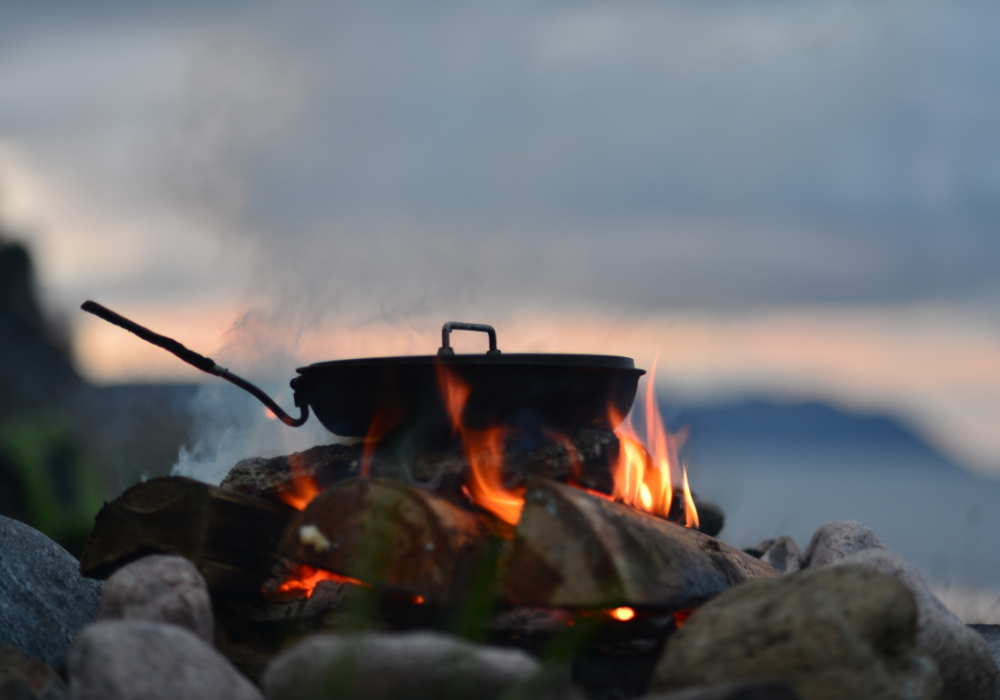 When you're deep in the wilderness, miles from civilization, your bivouac stove isn't just a luxury – it's a...Read more
 -
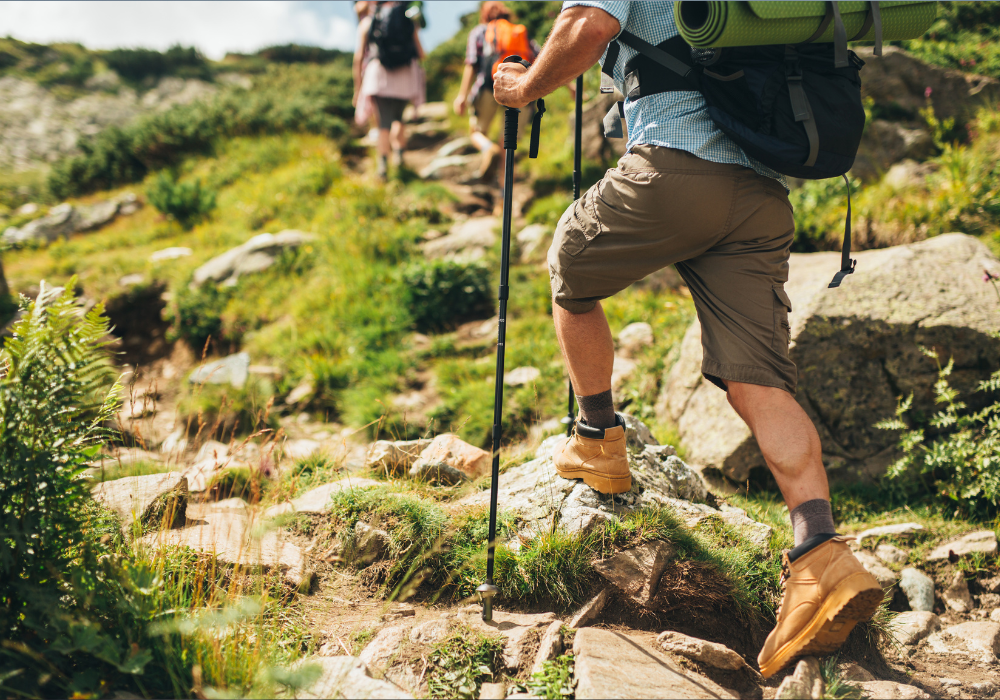 Dreaming of hitting the trails but unsure how to pick a hike that's just right for you? Planning a hiking itinerary...Read more
 -
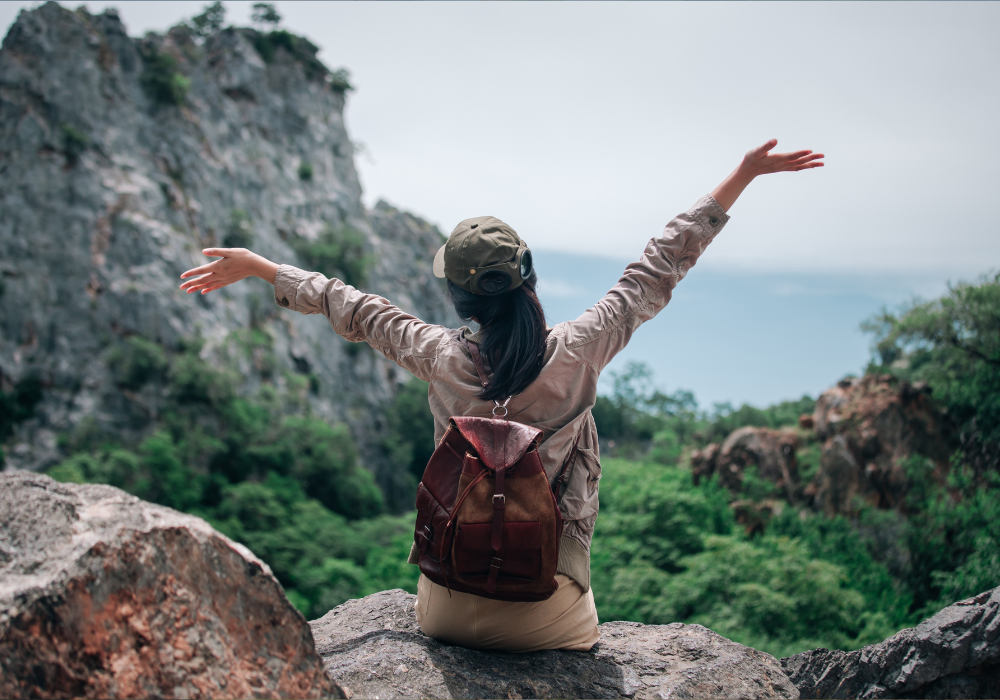 Hiking alone offers an unparalleled sense of freedom, introspection, and connection with nature. There's a unique joy...Read more
 -
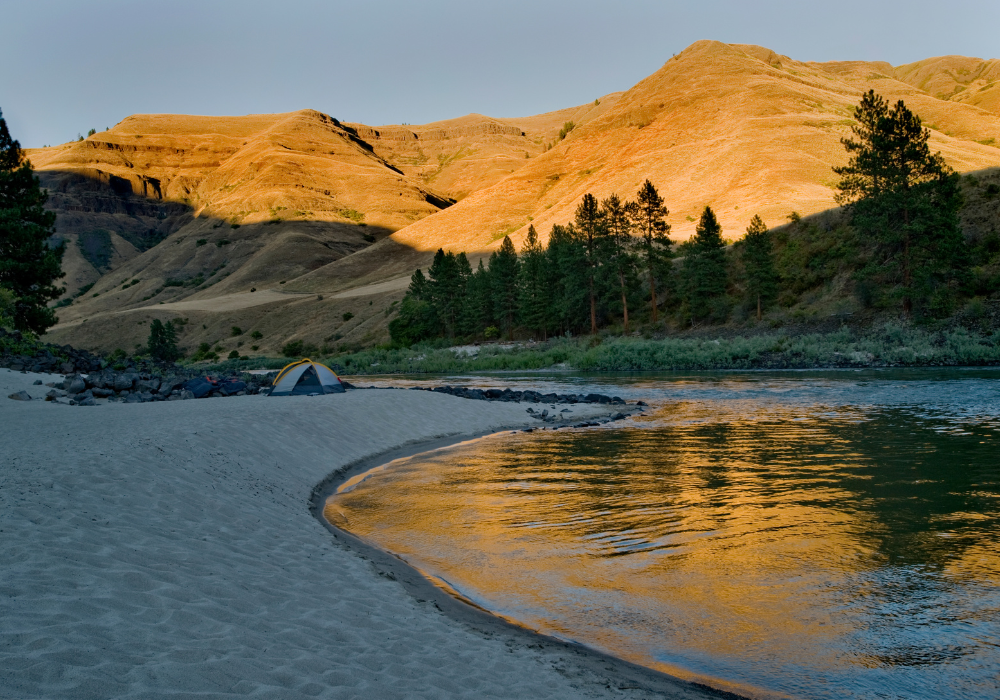 Embarking on a multi-day trek is an incredible experience, but proper water and food management is paramount for...Read more
 -
 Hiking offers a unique chance to immerse ourselves in nature, and sometimes that means unforgettable encounters with...Read more


Leave a comment