

The idea of sleeping out under the open sky, far from established campgrounds, is incredibly alluring. A bivouac...
Latest posts
-
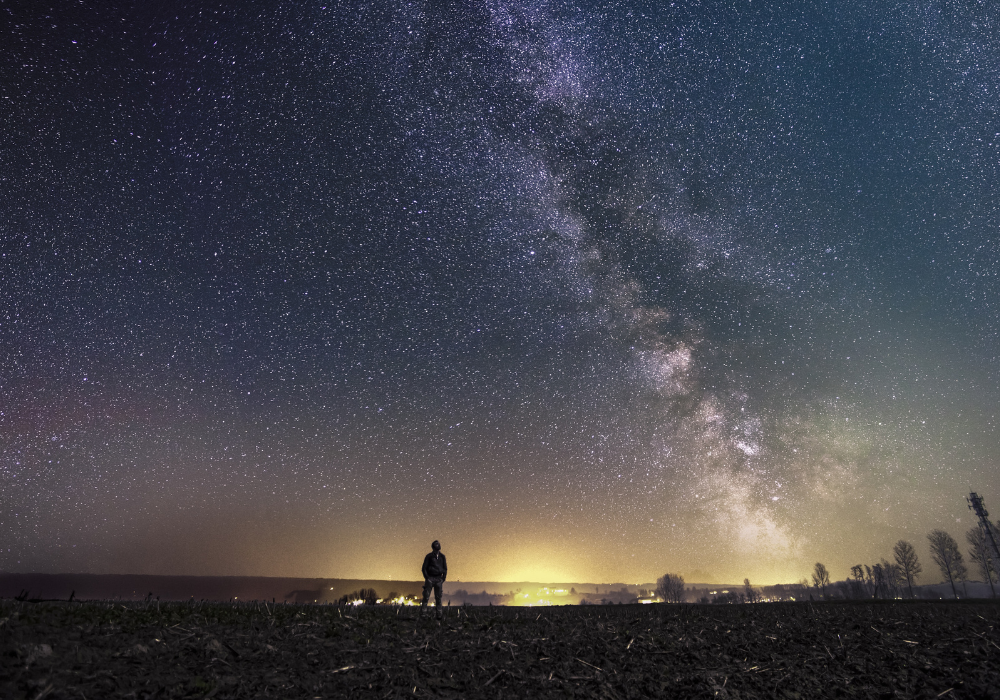 First Bivouac Adventure: Ideal Destinations in France for BeginnersRead more
 -
 Choosing Your Basecamp: Finding a Campsite Near Hiking TrailsRead more
For many outdoor enthusiasts, a camping trip isn't complete without the opportunity to hit the trails. The perfect...
-
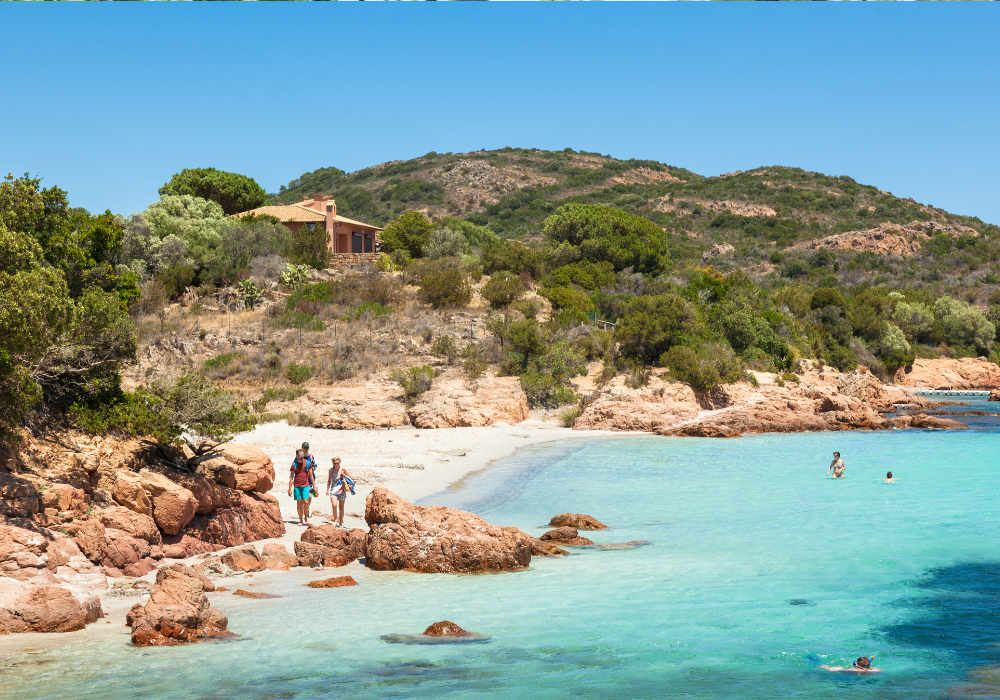 France's Must-Hike Trails: Unforgettable Adventures Across the HexagonRead more
France, with its incredibly diverse landscapes, boasts a hiking paradise for every level of adventurer. From rugged...
-
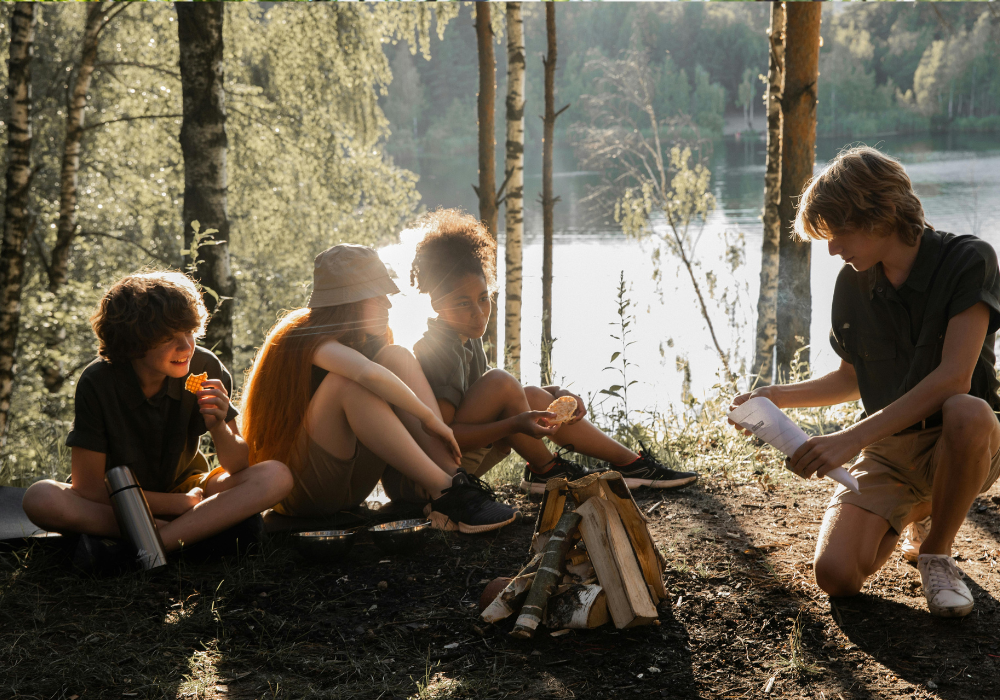 Bivouac Safety for Kids: Ensuring a Secure Night Under the StarsRead more
Spending a night under the stars on a bivouac is an incredible adventure, offering unique memories for families. The...
-
 Wild Fun: Games and Activities to Entertain Youngsters in NatureRead more
Hiking with kids is a fantastic way to introduce them to the wonders of the natural world, but let's be honest: "Are...
-
 The Family Trek: Motivating Kids to Hike Long DistancesRead more
Getting kids excited about hiking long distances can sometimes feel like a trek in itself. While the promise of...
-
 Mastering Your FireMaple Stove: Efficient Cooking in the OutdoorsRead more
FireMaple stoves have gained a reputation among outdoor enthusiasts for their impressive balance of performance,...
-
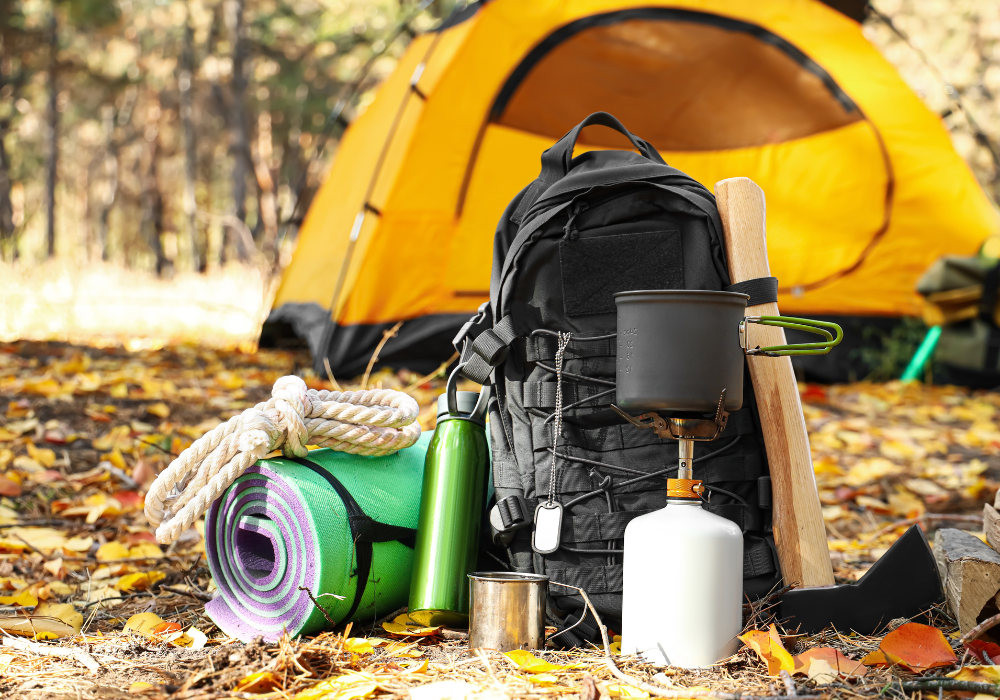 Essential Kitchen Gear: Indispensable Utensils for Hiking & CampingRead more
When packing for a hike or camping trip, every ounce counts, and every item needs to earn its place. While it's...
-
 Keeping Food Fresh: Mastering Refrigeration-Free Food Storage for the OutdoorsRead more
Heading out into the wilderness often means leaving modern conveniences behind, and that includes your refrigerator....
-
 Simple & Nutritious Camping Recipes for Your Next AdventureRead more
After a day of hiking, exploring, or simply relaxing in nature, there’s nothing quite like a delicious, hot meal...


Blog categories
Search in blog
Archived posts
Where is Bivouacking Allowed in France? Understanding the Rules
Bivouac vs. Wild Camping: What's the Difference?
Understanding these terms is your first step to staying within the law:
-
Bivouacking (Le Bivouac): This refers to a lightweight, temporary, single-night setup, typically from dusk until dawn (often between 7 PM and 9 AM). It involves a compact, non-motorized tent (no cars, vans, or RVs involved) set up for a night's rest, then completely dismantled in the morning without leaving any trace. The goal is a transient, itinerant experience, not a prolonged stay.
-
Wild Camping (Le Camping Sauvage): This implies setting up camp for multiple nights in the same spot, often with more extensive equipment. Wild camping is generally forbidden in most parts of France.
Where is Bivouacking Generally Permitted or Tolerated?
Broadly speaking, bivouacking is allowed anywhere there isn't a specific prohibition. However, these prohibitions are numerous, and French law doesn't always explicitly differentiate between bivouacking and wild camping, often subjecting both to the same restrictions.
Here are the areas where bivouacking is most commonly tolerated or regulated:
1. National Parks (Parcs Nationaux)
Within the core zones (cœur de parc) of National Parks, bivouacking is often permitted but under very strict conditions. These rules vary from park to park, but common stipulations include:
-
Specific Hours: Generally, pitching camp is allowed only after sunset (e.g., 7 PM) and must be packed up by sunrise (e.g., 9 AM).
-
Distance from Roads/Park Boundaries: Often, you must be at least an hour's walk from park boundaries or road access.
-
Near Refuges: In some parks, bivouacking is only allowed in the immediate vicinity of staffed mountain refuges, on designated pitches.
-
No Fires: Campfires are strictly forbidden. You must use a stove.
-
Examples: The Mercantour, Écrins, Vanoise, and Pyrénées National Parks typically allow regulated bivouacking within their core zones. Always check the specific regulations for the park you plan to visit before you go (e.g., via their official websites).
2. Regional Nature Parks (Parcs Naturels Régionaux - PNRs)
PNRs have less stringent regulations than National Parks but can still impose rules. Bivouacking is often tolerated but not explicitly authorized unless specified. It's best to check with the individual PNR you're visiting. Many PNRs will prohibit any form of wild camping.
3. State Forests (Forêts Domaniales)
While there's no blanket rule, bivouacking in state forests is often tolerated, especially if you are discreet and follow Leave No Trace principles. However, specific prefectural or municipal decrees might prohibit it in certain areas. Wild camping is typically forbidden.
4. Private Land
You are never allowed to bivouac on private land without the express permission of the landowner. Trespassing is illegal. If you're unsure, it's always best to ask.
5. Along Major Hiking Trails (e.g., GR Routes)
On many long-distance hiking trails (like the GR® routes), bivouacking is often a common practice and generally tolerated, provided you adhere to the dusk-to-dawn rule and leave no trace. However, you must still be mindful of any specific local prohibitions that might apply to sections of the trail (e.g., within a nature reserve).
Where is Bivouacking Generally Forbidden?
Bivouacking (and camping sauvage) is almost always prohibited in these areas:
-
Coastlines and Beaches: Strict prohibitions due to environmental protection and public safety.
-
Natura 2000 Zones, Nature Reserves, Protected Areas: These areas often have very strict rules to protect sensitive ecosystems. Always check local regulations.
-
Near Classified Historical Monuments: To protect cultural heritage.
-
Within a Certain Distance of Drinking Water Sources: To prevent contamination.
-
On Roads and Public Ways: For safety and traffic flow.
-
In Areas Where It's Explicitly Posted: If you see "Camping Interdit," "Bivouac Interdit," or "Arrêté Préfectoral" signs, it's prohibited.
-
Within Municipal Boundaries/Towns: Generally not allowed in or near urban areas.
-
Agricultural Land: Without owner permission.
Key Takeaways for Responsible Bivouacking
-
Research Specific Locations: Never assume. Always check the official website of the National Park, Regional Nature Park, or local commune before you go. Local tourist offices can also be helpful.
-
Leave No Trace: This is the golden rule. Pack out everything you pack in (including all trash, food scraps, and toilet paper). Bury human waste properly. Avoid damaging vegetation. Leave your campsite exactly as you found it, or better.
-
Be Discreet: Choose a spot that's out of sight from trails and roads. Arrive late, leave early.
-
No Fires: Always use a gas or alcohol stove for cooking. Campfires are almost always forbidden when bivouacking due to fire risk.
-
Be Respectful: Remember you are a guest in nature and potentially on private or protected land.
By understanding and respecting these rules, you can enjoy the incredible freedom and beauty of bivouacking responsibly in France. Happy trails!
Posted in:
Default category
Related posts
-
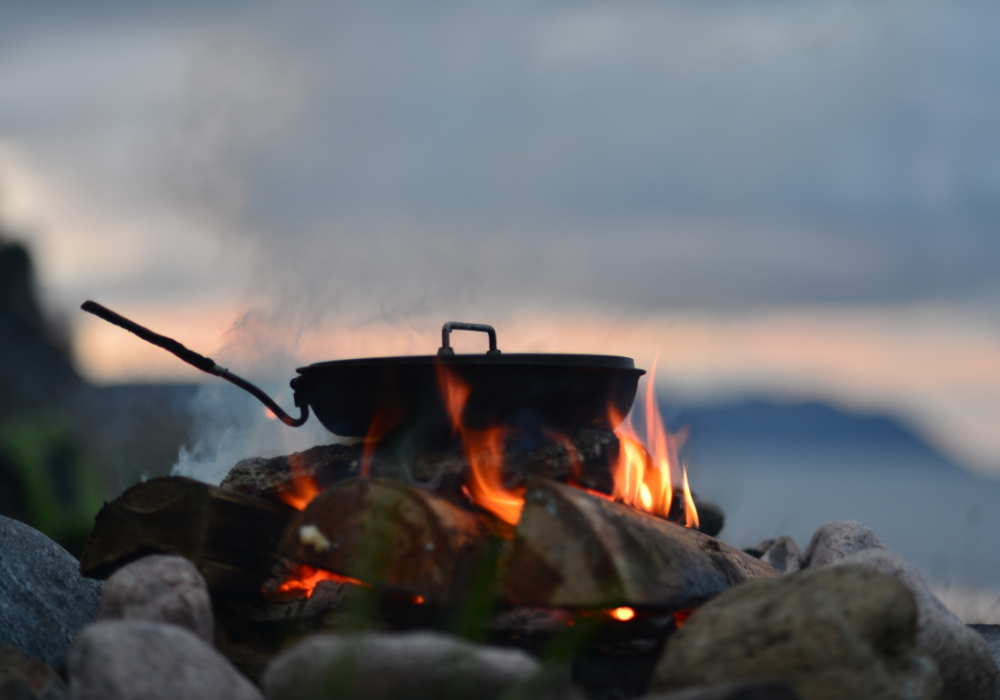 When you're deep in the wilderness, miles from civilization, your bivouac stove isn't just a luxury – it's a...Read more
 -
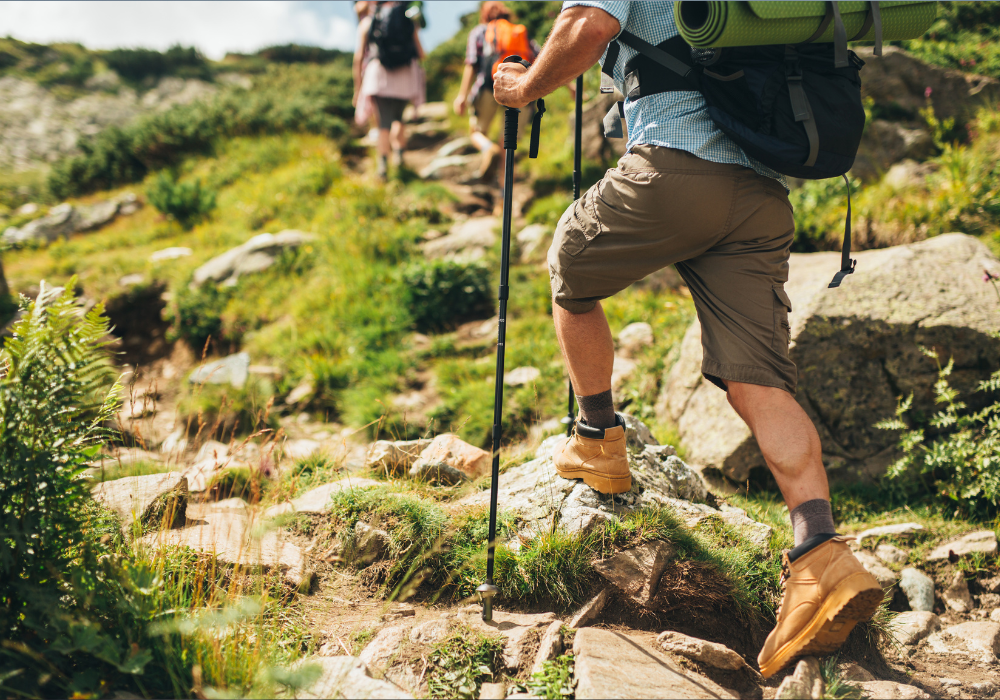 Dreaming of hitting the trails but unsure how to pick a hike that's just right for you? Planning a hiking itinerary...Read more
 -
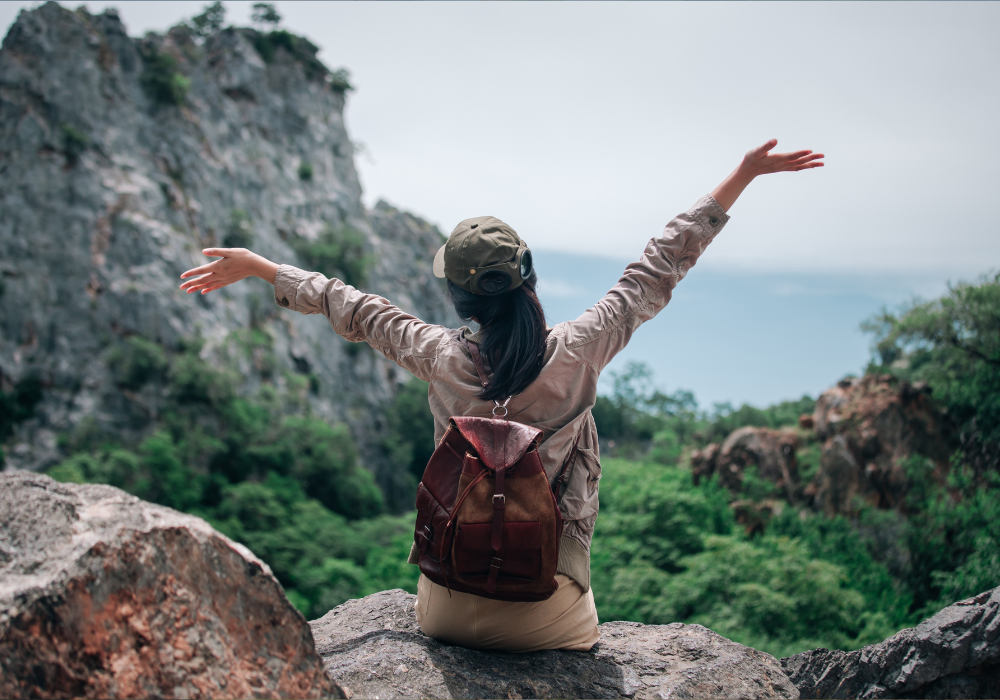 Hiking alone offers an unparalleled sense of freedom, introspection, and connection with nature. There's a unique joy...Read more
 -
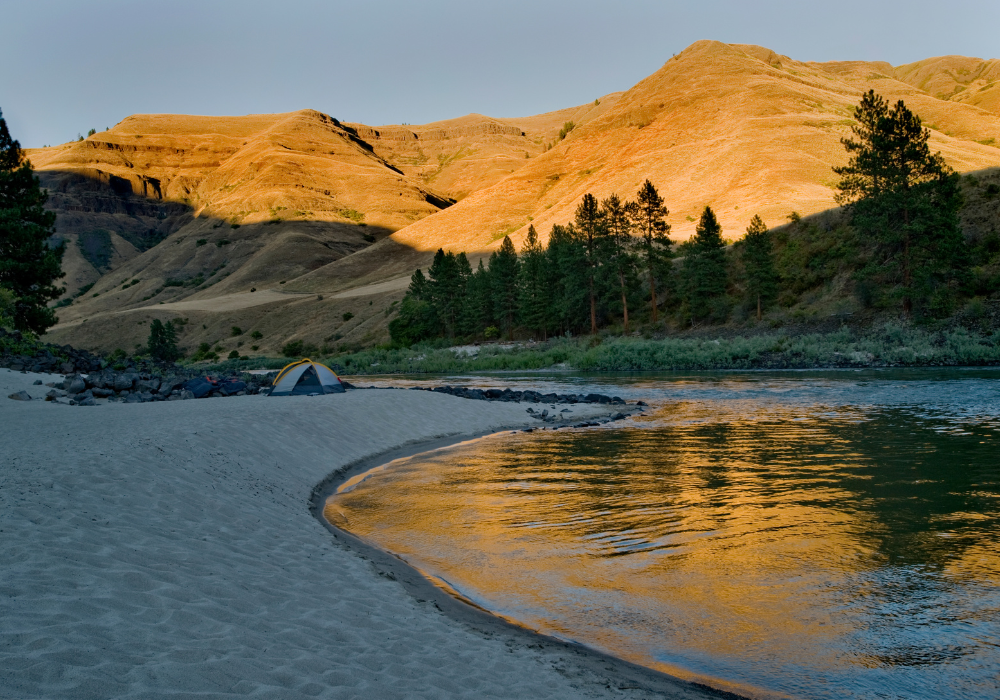 Embarking on a multi-day trek is an incredible experience, but proper water and food management is paramount for...Read more
 -
 Hiking offers a unique chance to immerse ourselves in nature, and sometimes that means unforgettable encounters with...Read more


Leave a comment