

The idea of sleeping out under the open sky, far from established campgrounds, is incredibly alluring. A bivouac...
Latest posts
-
 First Bivouac Adventure: Ideal Destinations in France for BeginnersRead more
 -
 Choosing Your Basecamp: Finding a Campsite Near Hiking TrailsRead more
For many outdoor enthusiasts, a camping trip isn't complete without the opportunity to hit the trails. The perfect...
-
 France's Must-Hike Trails: Unforgettable Adventures Across the HexagonRead more
France, with its incredibly diverse landscapes, boasts a hiking paradise for every level of adventurer. From rugged...
-
 Bivouac Safety for Kids: Ensuring a Secure Night Under the StarsRead more
Spending a night under the stars on a bivouac is an incredible adventure, offering unique memories for families. The...
-
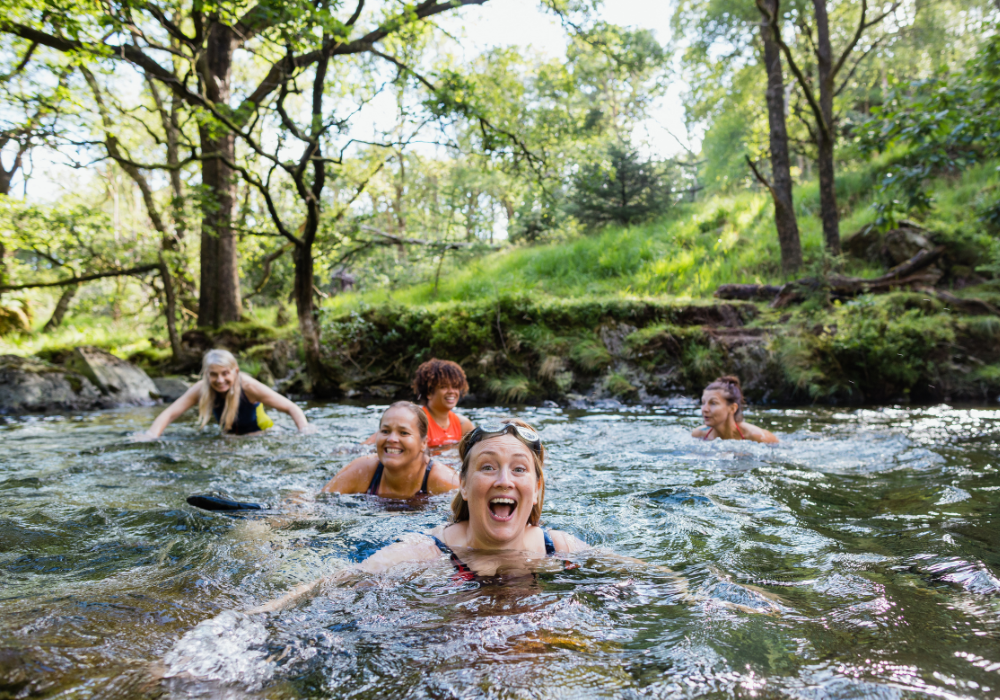 Wild Fun: Games and Activities to Entertain Youngsters in NatureRead more
Hiking with kids is a fantastic way to introduce them to the wonders of the natural world, but let's be honest: "Are...
-
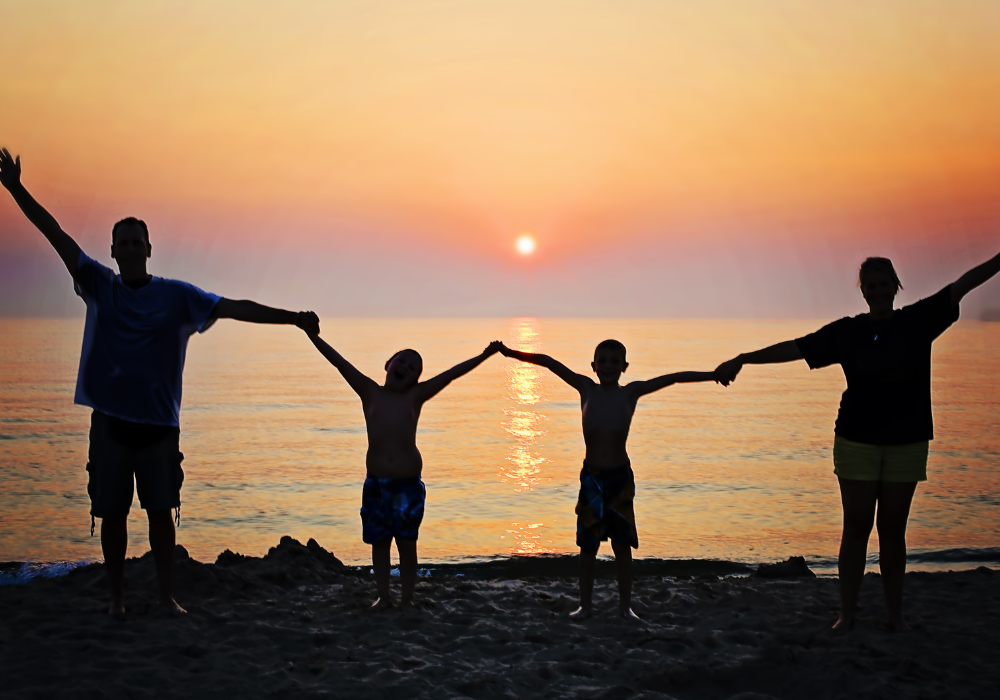 The Family Trek: Motivating Kids to Hike Long DistancesRead more
Getting kids excited about hiking long distances can sometimes feel like a trek in itself. While the promise of...
-
 Mastering Your FireMaple Stove: Efficient Cooking in the OutdoorsRead more
FireMaple stoves have gained a reputation among outdoor enthusiasts for their impressive balance of performance,...
-
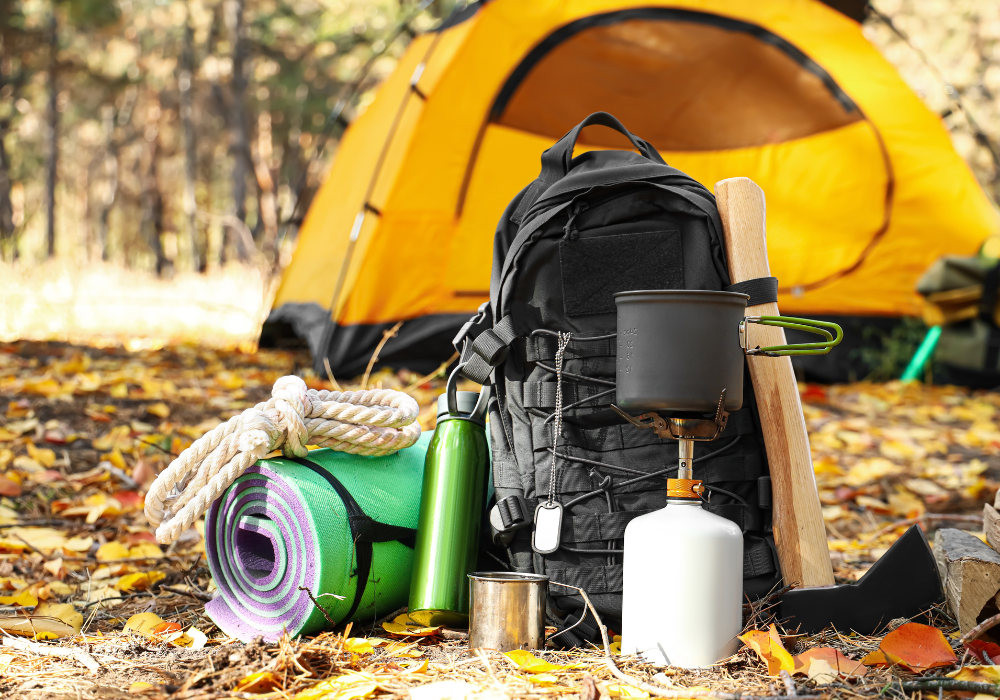 Essential Kitchen Gear: Indispensable Utensils for Hiking & CampingRead more
When packing for a hike or camping trip, every ounce counts, and every item needs to earn its place. While it's...
-
 Keeping Food Fresh: Mastering Refrigeration-Free Food Storage for the OutdoorsRead more
Heading out into the wilderness often means leaving modern conveniences behind, and that includes your refrigerator....
-
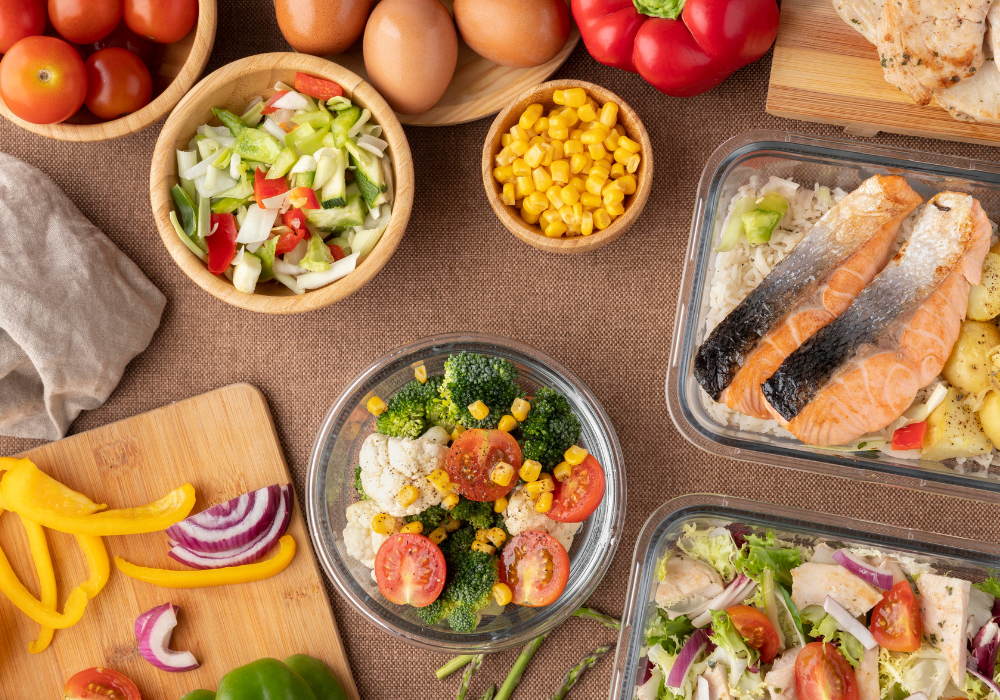 Simple & Nutritious Camping Recipes for Your Next AdventureRead more
After a day of hiking, exploring, or simply relaxing in nature, there’s nothing quite like a delicious, hot meal...


Blog categories
Search in blog
Archived posts
Leave No Trace: Your Obligations for Waste Management in the Wild
The Core Principle: Pack It In, Pack It Out
This is the golden rule of outdoor ethics. Everything you bring into nature, you must take back out with you. This applies to all types of waste, not just obvious litter.
1. All Your Trash, No Exceptions
-
Non-Biodegradable Waste: This includes obvious items like plastic bottles, food wrappers, aluminum cans, glass, and cigarette butts. These items can take hundreds, even thousands, of years to decompose, polluting soil and water, and harming wildlife. Always carry a dedicated trash bag (a sturdy zip-top bag works well) to collect all your waste.
-
"Biodegradable" Waste: This is where many people make mistakes. Items like fruit peels (banana, orange), apple cores, nut shells, and even bread crusts might be biodegradable eventually, but they take a long time to break down in natural environments. More importantly, they can:
-
Attract animals: Leading them to associate humans with food, altering their natural foraging behavior, and potentially causing them to become aggressive or reliant on human food.
-
Introduce non-native species: Fruits grown elsewhere might introduce seeds that disrupt local ecosystems.
-
Be unsightly: No one wants to see a rotting banana peel on a beautiful trail.
-
The rule is simple: if you brought it in, pack it out.
-
2. Human Waste Management
Proper disposal of human waste is critical to prevent water contamination, spread of disease, and unsightly impacts.
-
Solid Waste (Feces):
-
Dig a Cathole: Find a spot at least 60 meters (200 feet) away from water sources (streams, lakes, springs), trails, and campsites. Dig a hole 15-20 cm (6-8 inches) deep. After use, fill the hole with the original soil and disguise it with natural materials.
-
Toilet Paper: Pack out all used toilet paper. It does not decompose quickly in most environments and is highly unsightly. Carry a dedicated small, opaque zip-top bag for this.
-
Wipes: Wet wipes, even if labeled "flushable" or "biodegradable," do not decompose quickly and must always be packed out.
-
-
Liquid Waste (Urine): Urine has less environmental impact but should still be dispersed away from trails, campsites, and at least 60 meters (200 feet) from water sources to avoid concentrating odors and attracting animals.
3. Dishwashing and Hygiene
Washing practices can also impact water quality and attract animals.
-
Wash Away from Water Sources: Never wash dishes, yourself, or your clothes directly in streams, lakes, or springs.
-
Collect Water: Gather water in a pot or collapsible basin and move at least 60 meters (200 feet) away from the source.
-
Use Minimal, Biodegradable Soap: If you must use soap, use a tiny amount of biodegradable soap and scatter the greywater widely to allow it to filter through the soil.
-
Filter Food Scraps: Scrape all food particles into your trash bag before washing dishes.
Legal Obligations and Penalties in France
While the "Leave No Trace" principles are ethical guidelines, French law also imposes strict penalties for littering and illegal waste disposal in natural environments.
-
Code de l'Environnement (Environmental Code): Abandoning, depositing, or causing waste to be deposited in nature is considered an offense.
-
Fines: Depending on the severity and nature of the waste, fines can range from a few hundred euros to several thousand euros. For example, simple littering can incur a fixed fine.
-
Aggravated Offenses: If the waste is abandoned using a vehicle, or if it causes significant environmental damage, penalties can be much more severe, including higher fines and even imprisonment.
-
Mayors' Powers: Local mayors (Maires) have powers to enforce municipal decrees that prohibit littering and wild camping/bivouacking.
Beyond Compliance: Be a Steward
Adhering to waste management obligations isn't just about avoiding fines; it's about being a responsible steward of the environment.
-
Reduce Waste at the Source: Before you even leave home, minimize packaging. Repackage food into reusable containers or bags. Choose items with minimal packaging.
-
Practice Self-Reliance: Don't expect bins on the trail. Plan to carry everything out.
-
Lead by Example: Encourage others to follow these practices. If you see litter, and it's safe and feasible, consider picking it up (with gloves) to help keep trails clean.
By diligently managing your waste, you play a vital role in preserving the pristine beauty and ecological health of France's natural landscapes for everyone to enjoy, now and in the future.
Posted in:
Default category
Related posts
-
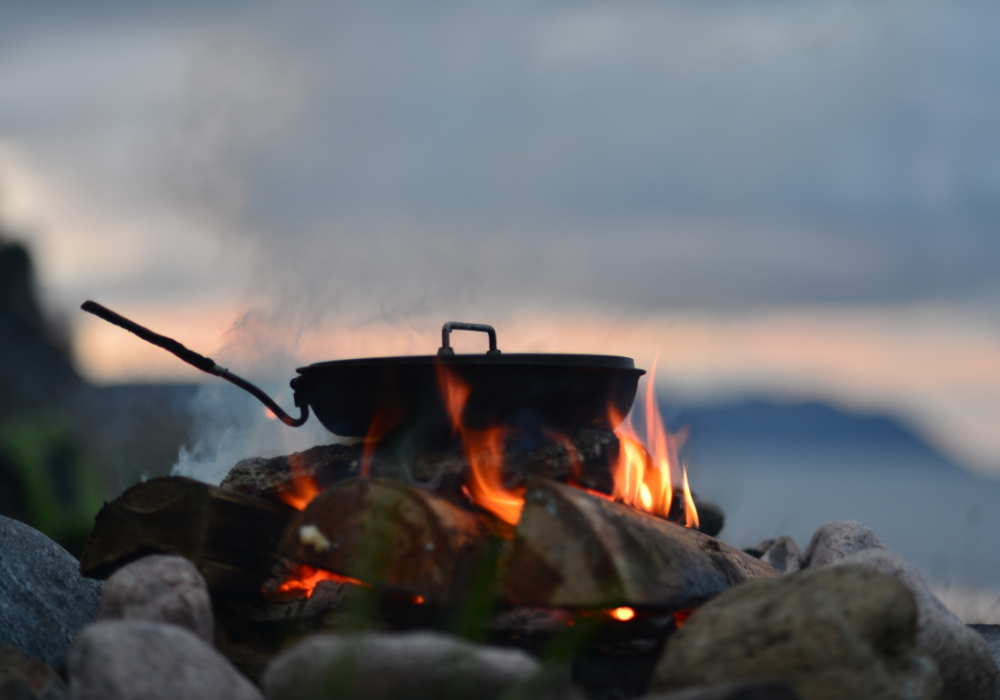 When you're deep in the wilderness, miles from civilization, your bivouac stove isn't just a luxury – it's a...Read more
 -
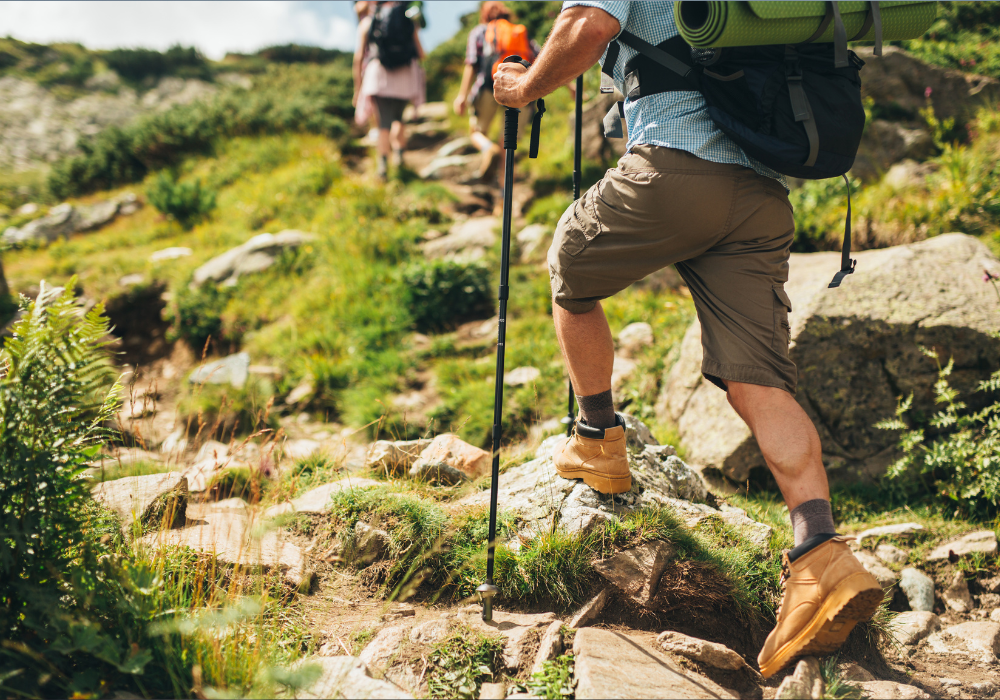 Dreaming of hitting the trails but unsure how to pick a hike that's just right for you? Planning a hiking itinerary...Read more
 -
 Hiking alone offers an unparalleled sense of freedom, introspection, and connection with nature. There's a unique joy...Read more
 -
 Embarking on a multi-day trek is an incredible experience, but proper water and food management is paramount for...Read more
 -
 Hiking offers a unique chance to immerse ourselves in nature, and sometimes that means unforgettable encounters with...Read more


Leave a comment